Slow-stitch fabric postcard: a calm first running-stitch session
0:009:05
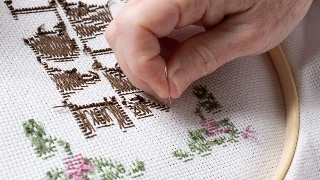
A hands-busy guide to making a small textile postcard with simple running stitches. You will plan a few lines, practice the stitch, finish the edges, and leave with a repeatable way to make more.
What to bring
A closely woven cotton or linen scrap, about five by seven inches
Embroidery floss or smooth sewing thread
An embroidery needle with an eye that fits the thread
Small fabric scissors
A pencil or washable fabric marker
A small dish or needle minder for the needle
Optional: an embroidery hoop, thimble, ruler, backing fabric, or card
In this episode
The session begins with a simple fabric layout and two or three loose guide lines. You will learn the running stitch as an up, down rhythm, then use a tactile checkpoint to notice whether the fabric is lying flat or puckering. Later sections cover adding a second line, a small stitched mark, a finished edge, and an optional backing.
The episode also covers what to do when stitches look uneven, thread knots, fabric edges fray, or the first line is not to your taste. Variations include a one-color border, a loose grid, thicker yarn, and a small series of postcards.
Safety and cleanup
Work at a clear, well-lit table. Keep the needle, scissors, loose thread, and tiny scraps away from children and pets. Close the scissors when they are not in use, store the needle in its dish or case during pauses, and keep your fingers behind the point where the needle will emerge. If you use fabric tape or adhesive on the back, follow its label and provide ventilation if it has fumes. Return every sharp tool and gather loose threads before leaving the table.
The player includes chapter navigation and a line-by-line transcript so you can pause, resume, or revisit a step while your hands stay with the fabric.