Check MMR records now
This weekly family vaccine digest leads with the practical MMR record check as US measles cases continue to rise. It also translates Week 26 flu surveillance, H5N1 risk, ACIP uncertainty, Moderna’s pending MFLUSIVA decision, same-day flu/COVID vaccination safety data, and RSV research into concrete household actions.
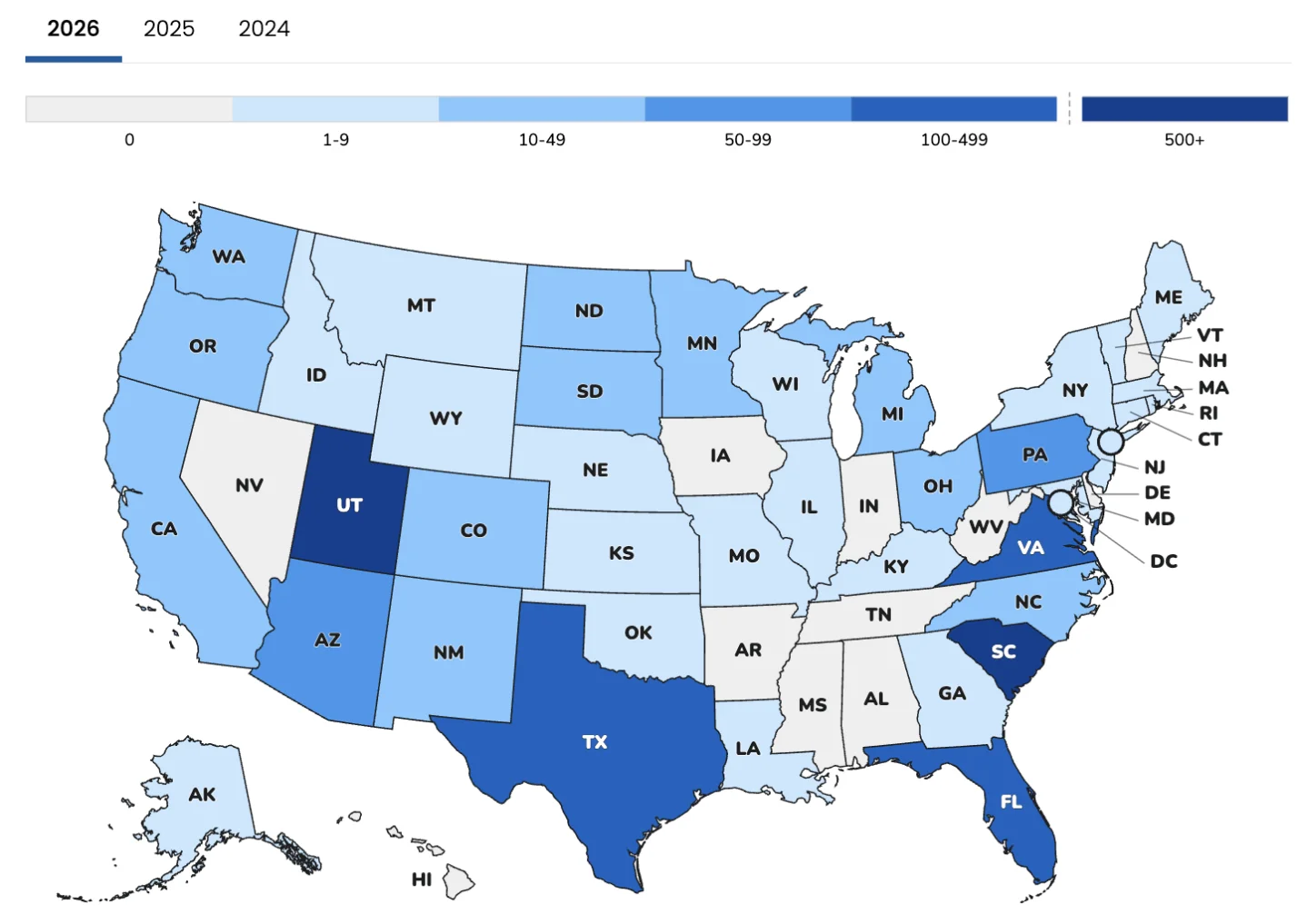
The most practical vaccine task this week is checking measles-mumps-rubella records, especially before travel, camp, college move-in, or the start of school. There are 2,231 confirmed US measles cases across 42 jurisdictions, with 32 outbreaks and 93% of cases tied to outbreaks; 93% of cases are in people who were unvaccinated or whose vaccination status was unknown. 1
Flu is still at its summer floor, so this is not a rush-to-the-pharmacy week for households without a clinician-directed need. CDC's Week 26 FluView put influenza-like illness at 1.0%, clinical-lab positivity at 0.6%, and one additional pediatric flu death, bringing the season total to 185. 2 The better move is to get records and appointments ready before the fall respiratory-virus season starts.
The quick read
- Measles is the live record-check problem. The current CDC update lists 140 measles hospitalizations, a 6% hospitalization rate, and no deaths among the 2,231 confirmed cases. 1
- Flu activity is low, but the strain mix is worth noting for fall. In Week 26, influenza A made up 60% of positive clinical-lab specimens, influenza B made up 40%, and H1N1pdm09 accounted for 61.1% of subtyped influenza A viruses. 2
- H5 bird flu is still mainly an animal-exposure issue for households. CDC continued to describe the current public-health risk as low, and CDC's Week 26 flu report found no new human infections with avian influenza A(H5). 3 2
- Moderna's mRNA flu vaccine is still a wait-and-see product, not a reason to delay a routine flu shot. The FDA action date for MFLUSIVA is August 5, 2026, but pricing and coverage details remain undisclosed. 4 5
Measles: check records before the next trip
Measles is the clearest family-facing vaccine issue this week because the prevention step is simple and time-sensitive. The MMR vaccine protects against measles, mumps, and rubella, and CDC's national kindergarten MMR coverage figure has fallen to 92.5%. 1 That matters because measles can spread quickly when enough people in a school, church, camp, or travel group are not immune.
The national total rose to 2,231 confirmed cases, and the outbreak pattern remains concentrated among people without documented vaccination. CDC lists 93% of cases as outbreak-associated and 93% as unvaccinated or unknown vaccination status. 1 For a parent, the practical question is not whether the national number sounds large. The question is whether every household member has written proof of MMR vaccination or lab-confirmed immunity.
The geography is also moving. The Washington Post reported that Virginia added 32 cases in one week, and Utah state epidemiologist Leisha Nolen warned that even if Utah brings its outbreak under control, other states may go through similar cycles and reintroduce the virus. 6 Andrew Pavia, a University of Utah pediatric infectious-disease specialist, told the Post, "I think we've seen a threshold where there are introductions happening all the time, all over the place." 6
What to do next: check MMR records before travel, camp, college housing, and back-to-school paperwork. If a record is missing, ask the pediatrician, state immunization registry, school, or prior clinician's office before assuming the dose was given.
Flu and H5N1: low community flu, specific exposure risks
CDC's Week 26 flu data still describe a low-activity summer period. Clinical laboratories reported 120 positive flu tests among 21,609 tested specimens, a 0.6% positivity rate, and outpatient influenza-like illness stayed at 1.0%. 2 The National Center for Health Statistics, or NCHS, preliminary mortality percentage rose to 0.1%, and CDC added one pediatric flu death to the 2025-26 season total. 2
The strain mix is the part to keep on the radar. H1N1pdm09, a descendant of the 2009 pandemic H1N1 flu virus that now circulates seasonally, made up 61.1% of subtyped influenza A viruses in Week 26. 2 That does not change a family's July behavior by itself, but it is one reason fall vaccine planning should be about getting vaccinated on time rather than waiting to see which strain wins later.
H5N1, often called bird flu, still has a different decision profile. The United States has recorded 71 human H5 bird-flu cases and two deaths, and CDC continued to assess the public-health risk as low. 3 CDC's human monitoring page showed no indicators of unusual influenza activity in people from avian influenza A(H5). 7
The animal side is less quiet. H5N1 activity hit Utah cattle and egg-laying poultry, and Box Elder County warned residents against raw milk amid a local bird-flu outbreak. 8 9 For most households, the next step is ordinary food and animal hygiene: avoid raw milk, avoid contact with sick or dead birds, and tell a clinician about poultry, dairy, or wild-bird exposure if flu-like symptoms develop.
Policy: routine shots continue while ACIP is unsettled
The Advisory Committee on Immunization Practices, or ACIP, is the CDC advisory group that normally turns vaccine evidence into US recommendations for age groups, risk groups, timing, and coverage. Existing routine vaccines remain the practical baseline for families. The risk is slower or more confusing guidance for new and updated products while the committee process remains unsettled. The new ACIP charter may delay vaccine recommendations, and CDC's ACIP meeting page is the place clinicians and families will need to watch for future meeting activity. 10 11
Professional groups are filling part of that gap. The American Academy of Pediatrics said it would independently publish 2026-27 respiratory-virus vaccine guidance, and ACOG, the American College of Obstetricians and Gynecologists, has issued independent maternal vaccination timing guidance after leaving its ACIP liaison role. 12 10 Families should treat this as an access and paperwork issue, not as a reason to stop routine vaccination planning.
The same-day vaccination news is more directly useful. An Annals of Internal Medicine study compared 705,124 people who received COVID-19 and flu vaccines on the same day with 1,813,205 people who received flu vaccine alone. 13 The study found that same-day COVID-19 and flu vaccination was not associated with increased adverse-event risk across three updated-formulation periods. 13
That finding supports a simple scheduling rule: if an eligible adult or child can get flu and COVID-19 vaccination at the same appointment, and the clinician or pharmacist agrees, same-day vaccination is a reasonable way to avoid missed visits. People with a history of severe vaccine reactions, complex immune problems, or current illness should ask their own clinician how to time doses.
One policy headline should not be misread. HHS announced that it will terminate certain COVID-19 therapeutic emergency-use authorizations in 2027, including authorizations involving vilobelimab, pemivibart, molnupiravir, and specific Paxlovid emergency uses. 14 That announcement does not remove COVID-19 vaccines, which are handled through regular vaccine licensing and recommendation pathways rather than those drug emergency-use authorizations. 15
Pipeline and research: do not wait for a product that is not scheduled yet
Moderna's MFLUSIVA, also known as mRNA-1010, remains the main flu-vaccine pipeline item for families to watch. The FDA's target action date is August 5, 2026, and Phase 3 data in adults ages 50 to 64 showed 26.6% higher relative vaccine efficacy than a standard-dose comparator. 4 Local reactions were also more common with mRNA-1010 than with the comparator, 76.8% versus 46.4%. 5
That makes MFLUSIVA a legitimate question for adults 50 and older, but it does not make it a July scheduling plan. FDA authorization, CDC recommendation, pharmacy stocking, insurance coverage, and price are separate steps, and public reports have not disclosed a per-dose price or Medicare coverage plan. 4 10 If a family member is eligible for flu vaccination this fall, the default plan should still be to book an available recommended flu shot rather than wait for a new product to clear every post-FDA step.
A Nature Communications paper identified TACI, an immune-system receptor involved in B-cell survival, as an important regulator of long-lived bone-marrow plasma cells. These immune cells help sustain antibody protection after vaccination. 16 The practical meaning is long-term: researchers are still learning how to make vaccine protection last longer.
A real-world Vaccine study of Moderna's mRNA-1345 RSV vaccine in US veterans estimated 85% effectiveness against RSV-associated hospitalization, with a 95% confidence interval of 39% to 96%. 17 RSV is respiratory syncytial virus, a common virus that can be serious for older adults and some infants. Families with older relatives should use that evidence as a prompt to ask about RSV vaccination eligibility before fall respiratory-virus season.
What families can do now
- Check MMR documentation for every child and adult with travel, camp, college, health-care, or school exposure. CDC's measles report shows that most confirmed cases are tied to outbreaks and to people who are unvaccinated or whose status is unknown. 1
- Treat July flu as planning time. CDC Week 26 flu activity is low, but the season has still recorded 185 pediatric flu deaths, and fall appointments are easier to manage before school and work calendars fill. 2
- Use same-day flu and COVID-19 vaccination when it solves a scheduling problem and your vaccinator agrees. The Annals study did not find increased adverse-event risk for same-day vaccination compared with flu vaccination alone. 13
- Ask about RSV vaccination for older adults in the family before fall. The mRNA-1345 real-world study estimated protection against RSV-associated hospitalization in veterans, which is the kind of outcome families care about most. 17
Cover image: CDC measles case-distribution map via CDC Measles Cases and Outbreaks.
参考ソース
- 1CDC: Measles Cases and Outbreaks
- 2CDC: Weekly US Influenza Surveillance Report: Key Updates for Week 26
- 3CDC: A(H5) Bird Flu: Current Situation
- 4AJMC: FDA Advisory Committee Supports Moderna mRNA Flu Vaccine Review
- 5Pharmacy Times: FDA Panel Unanimously Backs Moderna's Breakthrough mRNA Flu Vaccine Amid Political Turbulence
- 6The Washington Post: Why US measles outbreaks have grown harder to extinguish
- 7CDC: A(H5) Bird Flu Surveillance and Human Monitoring
- 8CIDRAP: Cattle, egg-laying poultry in Utah hit with H5N1 avian flu
- 9The Salt Lake Tribune: Box Elder County warns against raw milk amid bird flu outbreak
- 10Drug Topics: New ACIP Charter May Potentially Delay Vaccine Recommendations
- 11CDC: ACIP Meeting Information
- 12American Academy of Pediatrics: Immunization News
- 13Annals of Internal Medicine: Adverse Events After Same-Day COVID-19 and Influenza Vaccination Versus Influenza Vaccination Alone
- 14HHS: HHS Secretary Kennedy Signs COVID-19 Emergency Use Authorization Declaration Terminations
- 15Immunize.org: IZ Express Issue 1882
- 16PubMed: Inhibition of mitochondrial ROS by TACI sustains bone marrow plasma cells
- 17PubMed: Vaccine effectiveness of mRNA-1345 against RSV-associated hospitalization
関連コンテンツ
- ログインするとコメントできます。