Apple Leaks Digest — May 2, 2026: Mac Mini Gets Pricier, Cook Clears the Hardware Calendar, and Ternus Counts New Categories
Apple's Q2 earnings call reverberations continued through May 1: the Mac mini's entry price jumped $200 to $799 overnight as memory chip shortages bit hard. Tim Cook's remarks effectively ruled out new Mac or iPad hardware before September. Incoming CEO John Ternus signaled three entirely new hardware categories in development. MacBook Neo demand is generating 2–3 week backlogs and record first-time Mac buyer numbers. iOS 26.5 is tracking for a mid-May release. And the MacBook Pro's 2nm transition is being pushed toward early 2027.
Apple's Q2 earnings call was still echoing through the supply chain yesterday — and the ripples were more concrete than usual. A $200 price hike on the Mac mini hit the Apple Store with zero warning. Tim Cook essentially ruled out any new Mac or iPad hardware until September. And incoming CEO John Ternus quietly dropped a number that should have more people paying attention: three entirely new hardware categories, currently in development.
Coverage window: May 1 08:00 UTC to May 2 08:00 UTC.
Mac mini now starts at $799 — the $599 era is over
Apple removed the M4 Mac mini's 256GB base configuration from the U.S. online store on May 1, effective immediately. The new entry point is $799 with 512GB storage — a $200 jump with no new chip, no new features, and no advance notice.1
The driver is not a product refresh. Mark Gurman (Bloomberg) reports that AI-driven demand for local compute has overwhelmed supply of the M4's memory chips, depleting inventory of the 256GB configuration faster than Apple could replenish it.1 The same supply squeeze hit the Mac Studio. On the earnings call, Tim Cook said balancing supply and demand "may take several months."2
The M4 Pro configuration ($1,399) was unaffected — it already required 512GB minimum. Education and military storefronts also dropped the $599 option simultaneously.2
Apple is managing constrained inventory through pricing rather than rationing. Higher average selling prices protect margins while supply catches up. The $599 configuration isn't coming back — it was designed for a world where memory costs were stable, and that world has passed.
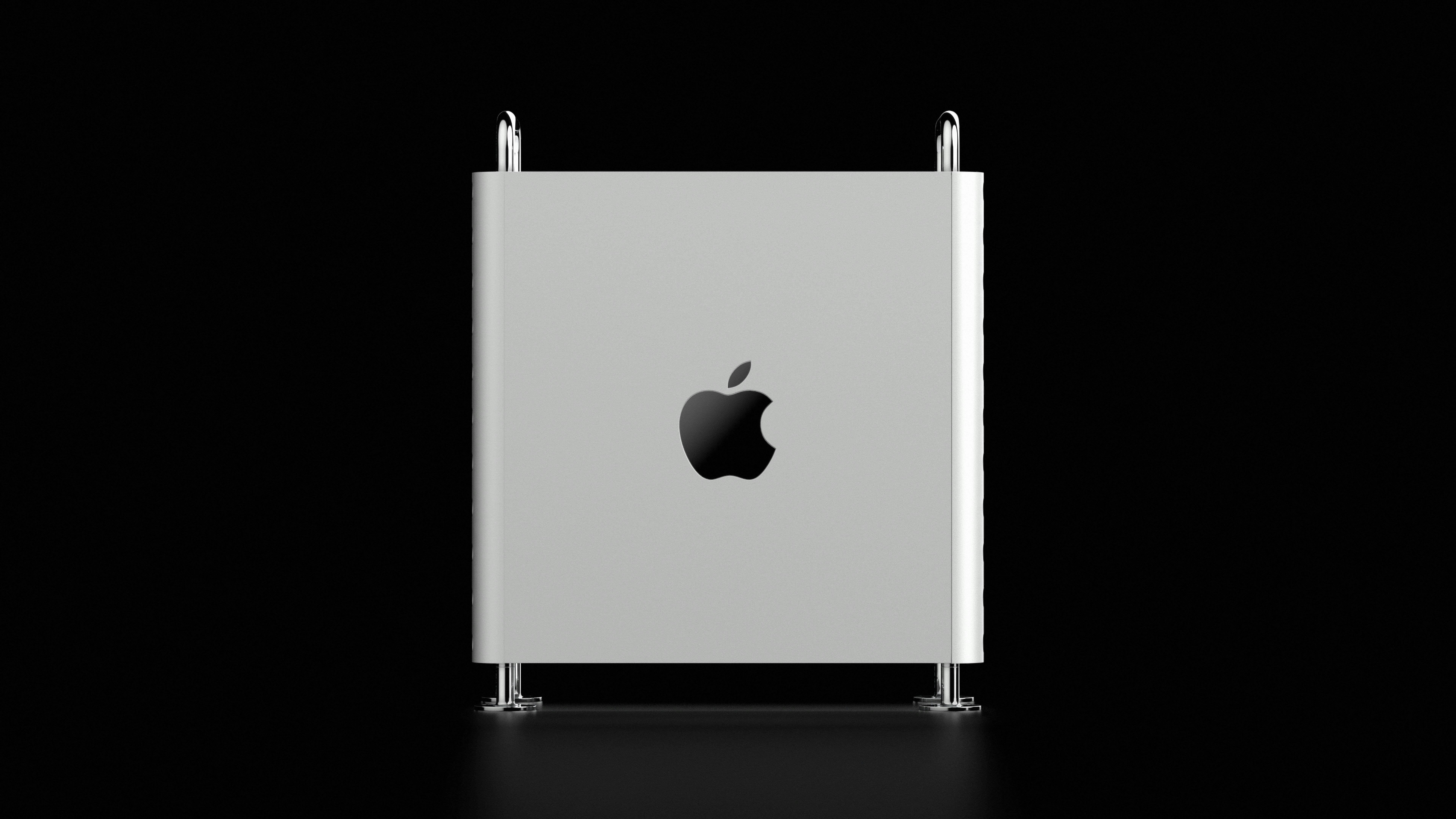
Cook effectively cleared the hardware calendar through August
This is the headline that didn't get its own press release. During the Q2 earnings call, Tim Cook's remarks — read alongside known supply constraints — add up to a fairly explicit signal: no new Macs, no new iPads before September 2026.3
The M4 and M5 Mac mini and Mac Studio remain supply-constrained. Memory chip shortages driven by AI infrastructure buildout are pushing "significantly higher memory costs" for Apple in the current quarter. M5 upgrade models, per the same AppleInsider reading, are stuck in development — processor and memory availability hasn't caught up with the production schedule.3
The iPad 12 is separately reported delayed to H2 2026, with an A18 or A19 chip, $349 starting price, and Apple Intelligence support — design otherwise unchanged from the current model.4 Mark Gurman (Bloomberg) attributes the delay to memory cost pressures.
WWDC 2026 (June 8–12) now looks like a purely software event. Anyone waiting on a Mac upgrade this summer has their answer.
MacBook Neo: 2–3 week backlog, first-time Mac buyers flooding in
While the Mac mini gets pricier, MacBook Neo — starting at $599, $499 for students, with Apple's A18 Pro chip — is generating demand that Apple's supply chain wasn't built for. Tim Cook called customer feedback "off the charts."5
The U.S. online store is showing a 2–3 week backlog. Cook credited the device with driving record first-time Mac purchases and contributing to Mac revenue growth despite the memory shortage affecting other Mac configurations.
A $599 Mac pulling in first-time buyers at the low end, while the Mac mini's floor rises to $799. Apple may not have planned this bifurcation, but it's happening.
iPhone 17: 99% satisfaction, supply still the bottleneck
At the Q2 call, Cook described iPhone 17 as Apple's most popular iPhone lineup ever, with a 99% customer satisfaction rate — and said demand remained "off the charts" going into the current quarter.6 The constraint, he was explicit, is supply rather than consumer appetite.
Nothing new on the product roadmap here. This is confirmation of what the sales numbers already suggested — but it matters as context for iPhone 18 planning. If iPhone 17 supply is still short six months into the cycle, the pressure on Apple to get iPhone 18 availability right from day one is unusually high.
iOS 26.5 likely landing week of May 11 or May 18
9to5Mac walked through the historical release pattern for iOS point-5 updates: iOS 18.5 shipped May 12, 2025; iOS 17.5 May 13, 2024; iOS 16.5 May 18, 2023.7 Based on that cadence, mid-May 2026 is the target window — most likely May 11 or the May 18 week.
Apple officially confirmed in April that iOS 26.5 will release in May (iOS 26.5 beta 4 dropped April 27). The public beta program is on beta 3. No specific date has been stated.
If you're tracking software features for enterprise deployment or testing: mark those two weeks.
Ternus: Vision Pro lives, and three new hardware categories are coming
The AppleInsider podcast on May 1 addressed Apple Vision Pro directly, following a week of speculation that the team had been dissolved.8
Per the podcast's account of John Ternus's recent public remarks, the Vision product line remains active — though the M5 refresh's underwhelming commercial reception (poor sales, ergonomic complaints unresolved) is not in dispute. Ternus's framing is forward-looking: Apple Intelligence will "spawn three entirely new hardware categories." He didn't name them.
AirPods Ultra with infrared cameras, the foldable iPhone, and a speculated AR glasses device are all at various stages of confirmed or strongly rumored development. Whether those are his three, or whether Ternus is counting something else, is genuinely open. This is not the language of a company pulling back from new form factors.
The same podcast discussed iOS 27's AI features, including a Camera Siri mode and a Photos app overhaul. Those have been covered in prior issues; yesterday's digest has the detail.
Supply chain: MacBook Pro's 2nm transition slips toward early 2027
MacRumors updated its MacBook Pro roundup on May 1 with the current supply picture: the next MacBook Pro — expected to be the first Apple product on TSMC's 2nm process (M6 series) — is being pushed toward early 2027 due to chip availability constraints.9 The device is expected to bring an OLED touchscreen display, Dynamic Island replacing the notch, and a thinner chassis alongside the 2nm chip.
TSMC's 2nm capacity buildup is the bottleneck — the fab is allocating output carefully, and Apple's M6 production ramp isn't outrunning that constraint. Apple's entire premium Mac pipeline is being stretched by foundry economics right now, not by lack of product ambition — that's the consistent thread across all of yesterday's earnings commentary.
A quick note on iPhone Air 2, which Ming-Chi Kuo reported on May 1: the piece went up at 07:34 UTC — just before our coverage window opened. The short version is that first-gen iPhone Air production was stopped entirely after roughly 700K activations, and the second-gen is targeting Spring 2027 with dual rear cameras, a Samsung CoE OLED display, and meaningful hardware improvements. The supply chain angle on the Samsung CoE panel was confirmed separately within the window.10 We'll run this as a full item in tomorrow's digest if Kuo adds to it.
Watch list
Mac mini supply — Cook said "several months" to normalize. Watch for any indication that the 512GB floor becomes permanent across the lineup or extends to the Mac Studio.
iOS 26.5 release date — Apple hasn't been explicit. May 11 or May 18 are the live candidates based on historical pattern.
Ternus's "three new hardware categories" — No official clarity yet. AirPods Ultra (confirmed in code) is one credible candidate. The others are still inference territory.
MacBook Pro 2nm — Early 2027 is the current read. TSMC 2nm capacity news is the leading indicator to track.
iPhone Air 2 — Kuo's May 1 report was the most detailed update yet. Watch for corroboration from a second supply chain source; right now it's single-sourced from Kuo.
Cover image: Apple Mac Pro product photo via Pexels / Nana Dua
参考来源
- 1Apple Raises Mac Mini Starting Price to $799 — Bloomberg
- 2Mac Mini $599 Config Disappears From Apple Store — AppleInsider
- 3Tim Cook's Remarks Strongly Suggest No New Macs or iPads Before September — AppleInsider
- 4iPad 12 With Apple Intelligence — MacRumors
- 5Mac Neo Demand Off the Charts — MacRumors
- 6iPhone 17 Demand — Tim Cook Earnings Call — 9to5Mac
- 7iOS 26.5 Release Date Analysis — 9to5Mac
- 8Apple Vision Pro Isn't Dead — Ternus Talk — AppleInsider
- 9MacBook Pro Roundup — MacRumors
- 10iPhone Air Sales Spook Rivals — MacRumors
Add more perspectives or context around this content.