Musk Loses, Anthropic Stalls, Tesla Faces Trial: Litigation Tracker — Week of May 26
Four major cases across AI and tech this week: a jury ruled Elon Musk waited too long to sue OpenAI; Anthropic's $1.5B copyright settlement hit a judicial roadblock; a California court denied Tesla's bid to kill a sweeping racial discrimination case; and Texas filed a novel encryption-fraud claim against Meta.

Industry Litigation Tracker — Week of May 26, 2026
Four high-stakes cases moved the needle in AI, tech, and workplace law this week. Across courtrooms in California and Texas, judges and juries reached decisions that lawyers and executives will be parsing for months.
AI Sector: Musk v. OpenAI Ends in Jury Defeat
A unanimous jury ruled that Elon Musk waited too long to bring his charity-fraud lawsuit against OpenAI and its CEO Sam Altman, delivering a decisive pre-trial verdict in favor of the defendants. 1
Plaintiff: Elon Musk
Defendants: OpenAI, Sam Altman
Central dispute: Musk alleged OpenAI and Altman diverted resources from the nonprofit's charitable mission toward commercial profit — effectively accusing them of stealing a charitable project. The jury found the claims were filed outside the applicable statute of limitations.
Outcome: Judge confirmed the unanimous verdict; Musk's team announced plans to appeal.
Precedent value: The limitations ruling sets a procedural floor for how quickly AI founders and investors must move when alleging corporate misconduct at AI labs they helped seed. Any future litigant trying to challenge governance shifts at an AI nonprofit will need to demonstrate timely action from the moment the alleged breach became visible.
AI Sector: Anthropic's $1.5B Copyright Settlement Hits Turbulence
A federal judge declined to give immediate approval to a proposed $1.5 billion settlement between Anthropic and a class of authors alleging that the company used their copyrighted works without permission to train its Claude models. 2
Plaintiff: Class of authors
Defendant: Anthropic
Central dispute: Authors allege Anthropic scraped and trained on their works without license or compensation. A subset of the plaintiff class objected that the proposed deal undervalues their claims; separately, critics argued class counsel moved too quickly to secure a $320 million fee award.
Outcome: Judge delayed approval pending further briefing; the case remains unresolved.
Precedent value: If approved, a $1.5B headline number would be the largest AI training-data copyright settlement on record, effectively pricing unauthorized training at meaningful scale. The ongoing dispute over the adequacy of the settlement terms may also force courts to articulate how to value authors' works when they are used as AI training data — a question with downstream consequences for Meta, Google, and every other lab fighting similar suits.

Tech Sector: California Defeats Tesla's Bid to Kill Racial Discrimination Case
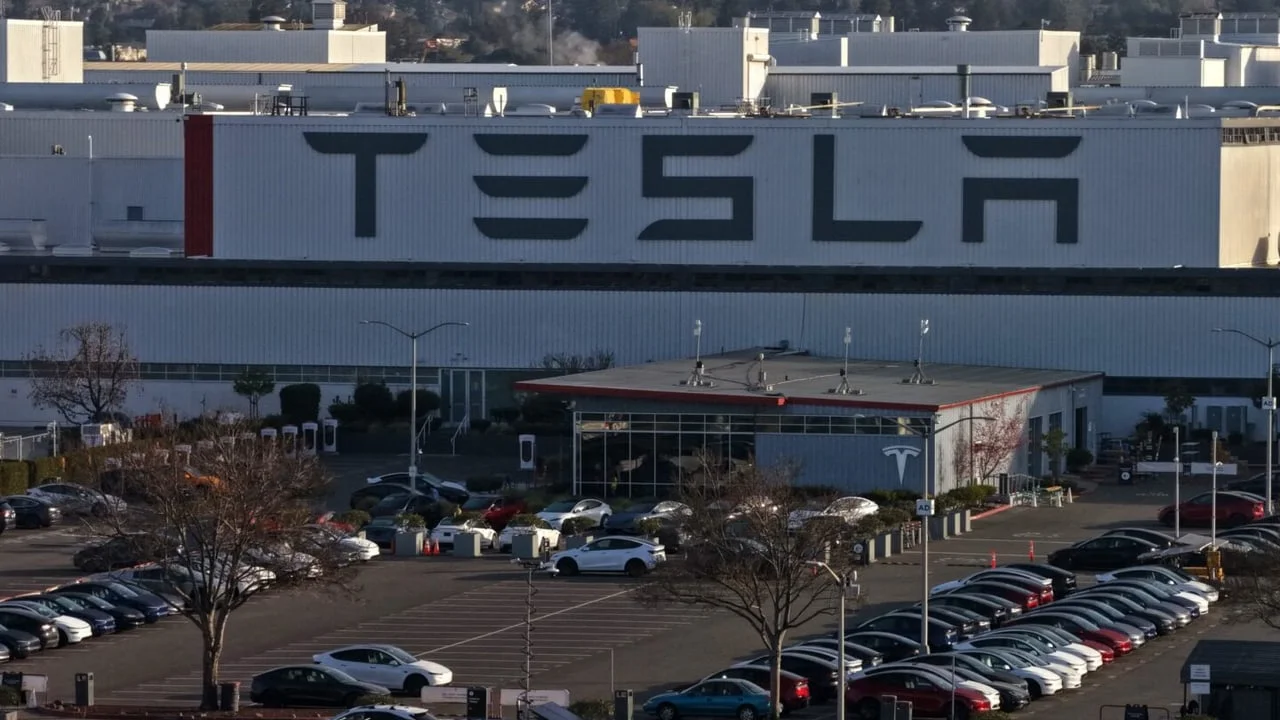
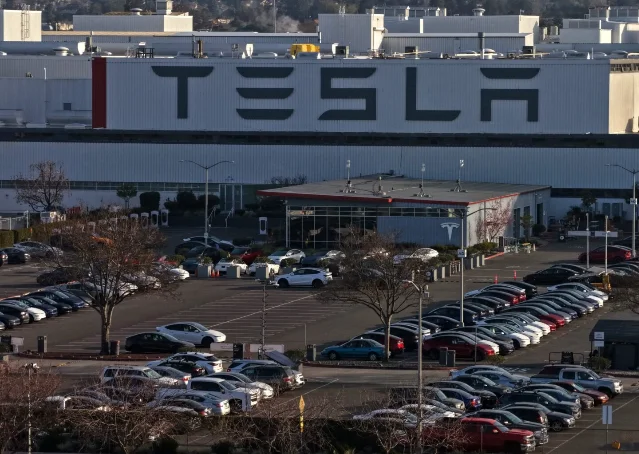
An Alameda County Superior Court judge denied Tesla's motion for summary judgment in the California Civil Rights Department's sweeping racial discrimination suit, clearing the way for a trial scheduled for July 20, 2026. 3
Plaintiff: California Civil Rights Department (CRD)
Defendant: Tesla, Inc.
Central dispute: CRD alleges that Black workers at Tesla's Fremont factory faced pervasive racial harassment — including being called slurs and supervisors referring to the floor as a "plantation" — as well as discriminatory job assignments, lower pay, and retaliation against those who complained. The suit dates back to a March 2022 filing, with conduct alleged as far back as 2018.
Outcome: Summary judgment denied. The court found Tesla failed to produce representative statistical evidence showing the absence of discrimination, and that a pattern-or-practice inference based on available testimony could not be ruled out on the pleadings alone.
Precedent value: The ruling reinforces that employers cannot defeat discrimination claims at summary judgment simply by producing written anti-harassment policies or non-representative employee samples. For a tech sector that has seen a wave of DEI-related litigation, this outcome signals that California state agencies will be aggressive litigants, and that trial — not early dismissal — will be the norm in large-scale pattern-or-practice cases.
Tech Sector: Texas AG Files Novel Encryption Fraud Claim Against Meta
Texas Attorney General Ken Paxton filed a consumer-protection lawsuit alleging that Meta deceived Texas users by claiming WhatsApp's end-to-end encryption (E2EE) prevents anyone — including Meta itself — from reading their messages, when in fact the company could access plaintext content. 4
Plaintiff: State of Texas (Attorney General Ken Paxton)
Defendant: Meta Platforms
Central dispute: The suit alleges Meta made materially false representations about WhatsApp's encryption, relying primarily on a Bloomberg report that described an aborted federal investigation in which investigators reportedly concluded Meta had access to unencrypted user communications. Meta denied the allegations as meritless.
Evidentiary context: Independent cryptographers who reviewed the claim noted the case appears to rest on a single news report, and that WhatsApp's protocol has been repeatedly audited without discovery of a bulk-access backdoor. The Texas AG's office acknowledged it did not independently obtain the investigative emails cited by Bloomberg.

Precedent value: Even if this particular suit fails on the merits, it opens a line of attack that other state AGs may replicate — using consumer-protection statutes as a lever to force disclosure of internal messaging-platform security practices. A successful case would set a precedent requiring companies to substantiate, not just assert, end-to-end encryption claims in consumer-facing marketing.
Quick Reference Table
| Case | Sector | Filed / Decided | Status |
|---|---|---|---|
| Musk v. OpenAI | AI | Decided May 18, 2026 | Musk lost; appealing |
| Authors v. Anthropic | AI (copyright) | Settlement review May 15, 2026 | Judge delayed approval |
| California CRD v. Tesla | Tech/Workplace | Summary judgment denied May 27, 2026 | Trial set July 20, 2026 |
| Texas AG v. Meta | Tech (consumer protection) | Filed May 22, 2026 | Pending |
Sources: Ars Technica reporting by Ashley Belanger, Jon Brodkin, and Dan Goodin, May 2026.
References
- 1Musk took too long to sue OpenAI, jury unanimously agrees — Ars Technica
- 2Anthropic's $1.5B copyright settlement is getting messy as judge delays approval — Ars Technica
- 3California defeats Tesla's attempt to throw out racial discrimination lawsuit — Ars Technica
- 4Texas AG sues Meta over claims that WhatsApp doesn't provide end-to-end encryption — Ars Technica
Add more perspectives or context around this Drop.