16/6/2026 · 8:10
一把琴的身世:年轮破解斯特拉迪瓦里的三百年谜题
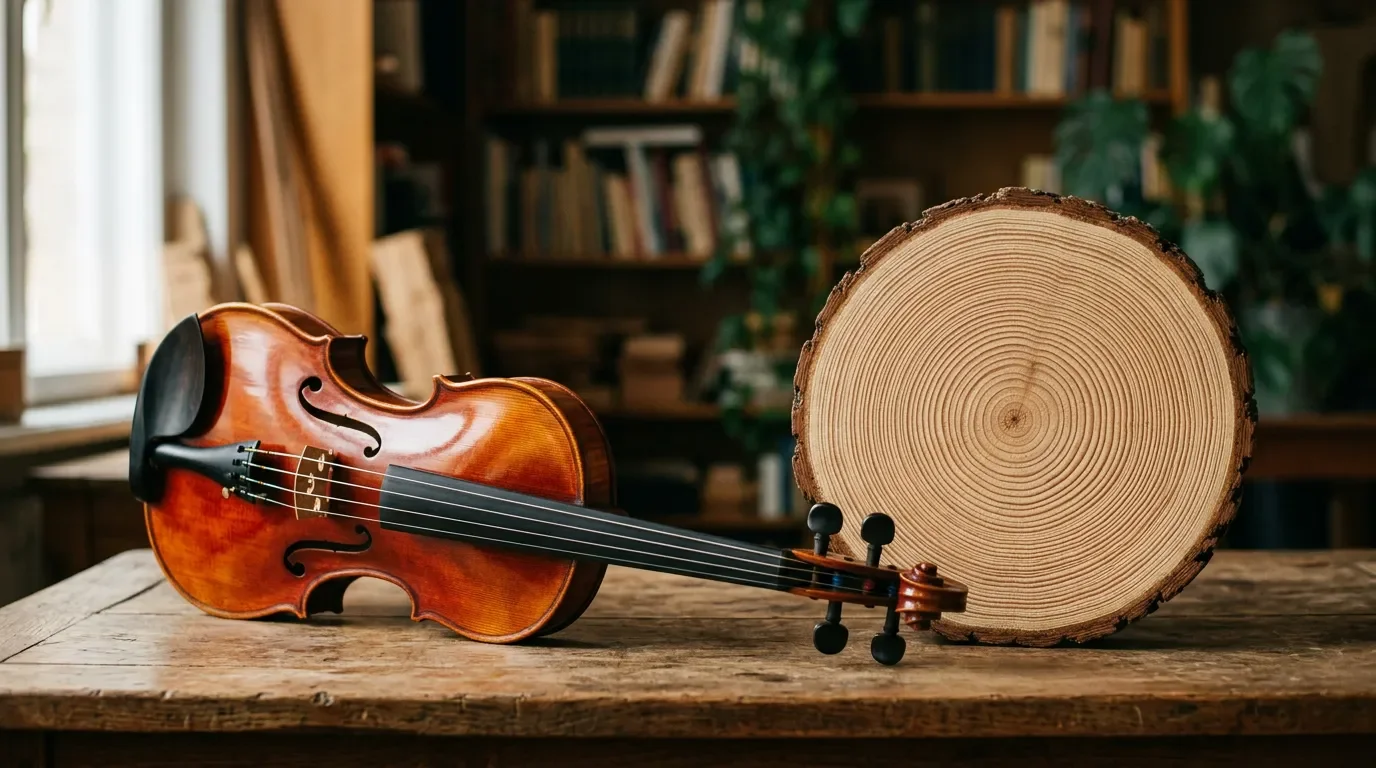
两千三百万美元的斯特拉迪瓦里小提琴,音色之谜藏在三百年前意大利山林的年轮里。2026年6月,《树木年代学》期刊一项研究分析284把名琴,锁定其「黄金时代」木料均来自多洛米蒂山脉菲耶梅谷的挪威云杉——而那些极致细密的年轮,或许要感谢一段寒冷的小冰期。本期精读这篇 National Geographic 跨学科报道,附完整中英对照译文、10个核心词汇(含dendrochronology/luthier/provenance/soundboard/Maunder Minimum)及两段长难句语法拆解。

英文原标题: What makes a Stradivarius violin so special? Scientists traced it to one forest in Italy.
「标题党」式中译: 一把两千三百万美元的琴,秘密藏在三百年前的一棵树里
背景简介(约 100 字):
斯特拉迪瓦里小提琴是乐器史上最昂贵的谜题:它的音色被演奏家奉为圣品,仿制者穷尽数百年仍无法复制。2026 年 6 月,发表于《树木年代学》期刊(Dendrochronologia)的一项研究,通过分析 284 把斯氏小提琴上的树木年轮,终于锁定了其「黄金时代」琴板木料的产地——意大利北部多洛米蒂山脉的菲耶梅谷(Val di Fiemme)。更出人意料的是:那些年轮之所以如此完美,或许要感谢一段全球气候异常寒冷的岁月。1
原文与参考译文
Paragraph 1
Stradivarius violins are famous for their craftsmanship and sound. Made by Italian violinmaker Antonio Stradivari during the 18th century, their renown means these instruments change hands for large sums, too. The "Baron Knoop", created during Stradivari's 'golden age' between around 1700 and 1725, sold for $23 million last year.
斯特拉迪瓦里小提琴以精湛工艺和绝美音色闻名于世。这批由意大利制琴师安东尼奥·斯特拉迪瓦里在 18 世纪亲手打造的乐器,声名显赫,价格自然也高得惊人。其中「巴伦·诺普」号——诞生于斯特拉迪瓦里约 1700 至 1725 年的「黄金时代」——去年以两千三百万美元成交。1
Paragraph 2
One feature of these violins that makes their sound so famous is the instruments' soundboard, sometimes called a top plate, which vibrates and amplifies the sound as strings are played. The density, stiffness, and consistency of the wood all affect the quality of the sound, shaping its richness, brilliance, and dynamic range. Yet the source of the resonant wood used for Stradivari's soundboards has been a mystery.
使这些小提琴音色如此著名的核心部件,是名为「面板」(top plate)的共鸣板——琴弦振动时,正是它放大并传递声音。木材的密度、刚度与均匀性共同决定音色质量,塑造其厚度、明亮感和动态范围。然而,斯特拉迪瓦里究竟从哪里取材,长久以来是个谜。1
Paragraph 3
In one popular tale, a violinmaker approaches a man building a hut high in the forests of the Italian mountains. The luthier has found the perfect tree for crafting his instruments, but it's destined for use elsewhere. After some bartering, the hut-builder sells the wood for a hefty sum, and it becomes part of musical history. Where exactly this supposed interaction took place is unclear, though, as strikingly similar tales have emerged from the forests of Slovenia and Switzerland.
民间流传着一个故事:一位制琴师在意大利山间森林深处,遇见一个正在搭建木屋的男人。制琴师看出那棵树是制琴的绝佳材料,但木材早已另有用途。几番讨价还价后,那人以高价将木材卖出,而它就此成为音乐史的一部分。然而这段对话究竟发生在何处,说法莫衷一是——斯洛文尼亚和瑞士的山林里,流传着几乎一模一样的版本。1
Paragraph 4
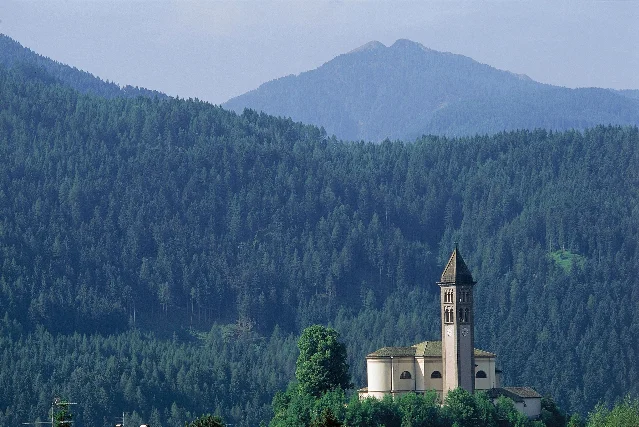
A new analysis of tree rings from hundreds of violins indicates the Italian tale may bear some truth. The study, published last February in the journal Dendrochronologia, suggests the violins Stradivari made during his "golden age" came almost exclusively from Norway spruce (Picea abies) growing in Italy's Val di Fiemme forest in the Dolomite Mountains.
一项对数百把小提琴年轮的全新分析,或许证实了意大利版本的传说有其真实依据。这项发表于《树木年代学》期刊的研究表明:斯特拉迪瓦里「黄金时代」的琴几乎清一色使用了生长在多洛米蒂山脉菲耶梅谷的挪威云杉(Picea abies)。1
Paragraph 5
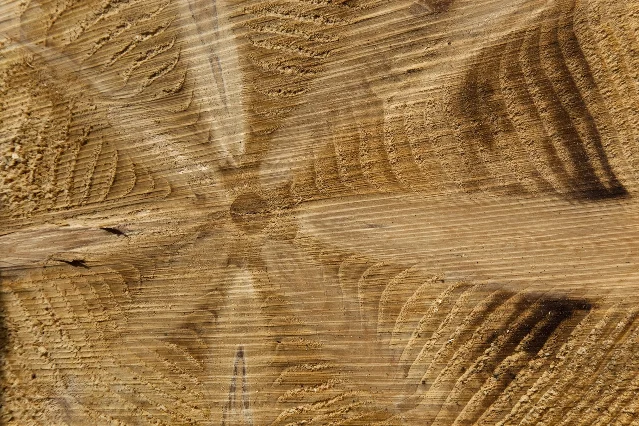
Through the scientific analysis of tree rings, known as dendrochronology, scientists can see where, when, and how a tree grew. As trees grow, they leave behind one ring per season. The width of the rings varies each year, however, due to factors such as soil, climate, and altitude. Rings can tell scientists about the climate a tree has grown in and how closely trees grew to each other. While each tree is unique, neighboring trees tend to show similar patterns over time.
通过「树木年代学」(dendrochronology)这门科学,研究者能从年轮中读出一棵树的生长地点、年份与方式。树木每个生长季留下一圈年轮,但年轮宽窄因土壤、气候和海拔而逐年变化。年轮不仅记录了树木所经历的气候,还能反映周围树木的疏密程度。虽然每棵树的年轮都独一无二,相邻的树木却会随时间呈现相似的生长规律。1
Paragraph 6
In the new study, researchers investigated 314 tree-ring patterns from 284 Stradivari violins, measured by the late British dendrochronologist John Topham over several decades. Through a statistical analysis, they compared the violin tree rings to each other to see whether any of the instruments had been constructed from the same tree. To estimate the altitude the trees grew in, they compared the ring patterns to references in the International Tree-Ring Data Bank, a large repository with records from over 6,000 sites around the world. They then used an algorithm to cluster the violin ring patterns into similar groups.
新研究分析了 284 把斯氏小提琴共 314 组年轮数据——这批数据由已故英国树木年代学家约翰·托帕姆(John Topham)历经数十年测量积累。研究者首先进行统计比对,判断哪些乐器可能出自同一棵树。为估算木材生长的海拔高度,他们将年轮图案与「国际树木年轮数据库」(收录全球逾 6000 个站点的记录)进行匹配,再用算法将各把琴的年轮模式聚类归组。1
Paragraph 7
To find the origins of the wood, the study authors then compared these groups to nearly 200 master chronologies of trees growing across Europe. The findings revealed the origins of the violin soundboard woods and traced the shape of Stradivari's craftsmanship over time. Roughly a third of the samples fell into a group thought to be crafted before 1706, during Stradivari's early years. The wood in these violins appears to have come from a mix of sources and forests across the Alps. "At the beginning, he was experimenting," thinks Mauro Bernabei, a researcher from the Italian National Research Council and lead author of the study.
为溯源木材产地,研究者将各组年轮与近 200 份欧洲树木年代总谱进行比对。结果不仅锁定了琴板木料的来源,还勾勒出斯特拉迪瓦里手艺随时间演变的轨迹:约三分之一的样本属于 1706 年前的早期作品,其木料来源分散,遍布阿尔卑斯山各处森林。「早期他还在摸索,」意大利国家研究委员会研究员、本研究首席作者毛罗·贝尔纳贝伊(Mauro Bernabei)说。1
Paragraph 8
Only later during his golden age, the analysis showed, did Stradivari begin sourcing wood from the Italian Dolomites. Another transition occurs after around 1720, when Stradivari's production began to dwindle. Here, the data suggest other trees, including silver fir (Abies alba) may have been used from unclear locations.
只有在进入「黄金时代」后,斯特拉迪瓦里才开始专门从意大利多洛米蒂山区取材。1720 年前后,他的产量逐渐下降,数据显示这一时期的用料可能包括来源不明的银冷杉(Abies alba)等其他树种。1
Paragraph 9
Stradivari violins are notable for their many, narrow rings, suggesting the trees grew in colder conditions at high altitude. Intriguingly, the results suggest that some of the Norway spruce Stradivari used grew at higher altitudes than any do now. This, the authors suggest, aligns with a hypothesis that the trees Stradivari sourced for his violins grew during an abnormally cold spell on Earth known as the Maunder Minimum. Stunted growth under cold conditions may have changed the wood's tonal quality.
斯氏小提琴的年轮数量多而细密,说明木材来自寒冷高海拔环境中缓慢生长的树木。更耐人寻味的是,研究结果显示,斯特拉迪瓦里当年使用的部分挪威云杉,生长海拔比当今同种云杉的分布上限还要高。这与一个假说相吻合:这些树木生长于「蒙德极小期」(Maunder Minimum)——地球历史上一段异常寒冷的时期。严寒中被迫放缓的生长节奏,或许正是木材获得独特音色的关键。1

Paragraph 10
"If your tree rings are small, the wood tends to be more dense," says Bernabei. But it could also create wood that is more homogeneous, without fiber deviation or defects, such as knots, he says. Many of the samples also appear to have been sourced from the same trunk, too, suggesting optimal wood was kept in storage for many years. Closely matching patterns were found in instruments that, according to their labels, were created up to 20 years apart.
「年轮越细,木材密度往往越高,」贝尔纳贝伊说。此外,这种环境下生长的木材也更加均质——纹理少有偏斜,结疤等缺陷也更少。研究还发现,许多样本可能取自同一根木料,说明斯特拉迪瓦里会将品质上乘的木料储存多年再行使用——两把标注制作年份相差 20 年的乐器,年轮图案却高度吻合。1
Paragraph 11
In future work, Bernabei would like to explore how the Maunder Minimum affected tree ring formations elsewhere. Future dendrochronological research on other violins from the same period could also reveal whether Stradivarius violins were uniquely made from this Italian-growing spruce or if other craftsmen used the same wood. "It would be interesting to see this kind of comprehensive work for other violin builders, either from this time or another," says Valerie Trouet, a dendrochronologist from the University of Arizona.
在后续研究中,贝尔纳贝伊希望探讨蒙德极小期对其他地区树木年轮的影响。对同时期其他小提琴的树木年代学研究,或许能进一步揭示:斯氏小提琴使用意大利云杉是独一无二的选择,还是当时制琴师们的共同传统?「如果能对其他时期或其他制琴师的作品做同样系统的研究,将会非常有意思,」亚利桑那大学树木年代学家瓦莱丽·特罗埃特(Valerie Trouet)说道。1
核心词汇
| 词汇 / 短语 | 音标 | 词性 | 中文释义 | 语境说明 |
|---|---|---|---|---|
| dendrochronology | /ˌdendrəʊkrɒˈnɒlədʒi/ | n. | 树木年代学 | 通过分析树木年轮来确定年代、气候及产地的科学,文中核心研究方法 |
| soundboard | /ˈsaʊndbɔːrd/ | n. | 共鸣板;面板 | 弦乐器上负责放大振动、传导声音的薄木板,是小提琴音色的核心部件 |
| luthier | /ˈluːtiər/ | n. | 制琴师;鲁特琴制作者 | 专指制作或修复弦乐器的工匠,源自法语,在英文报道中常指小提琴制作者 |
| provenance | /ˈprɒvənəns/ | n. | 来源;产地;出处 | 源自法语,常用于艺术品、古物或科学样本的原产地考证,六级/考研高频词 |
| resonant | /ˈrezənənt/ | adj. | 共鸣的;洪亮的 | 描述声音能引起共振、余音绕梁的特质;「resonant wood」指具有良好共鸣性能的木材 |
| chronology | /krəˈnɒlədʒi/ | n. | 年代顺序;年表 | 此处指「master chronology」(年代总谱),即树轮数据库中的标准参照序列 |
| homogeneous | /ˌhɒməˈdʒiːniəs/ | adj. | 均质的;同质的 | 指木材内部结构一致、纤维排列规则,无结节等缺陷;物理/材料学高频词 |
| tonal quality | /ˈtəʊnəl ˈkwɒlɪti/ | n. phr. | 音色品质 | tonal = 音调的,来自 tone;整个短语指乐器或声音的独特音色特征 |
| Maunder Minimum | /ˈmɔːndər ˈmɪnɪməm/ | n. phr. | 蒙德极小期 | 约 1645-1715 年间太阳黑子活动极度低迷的时期,导致北半球气温异常下降;以天文学家蒙德命名 |
| dwindle | /ˈdwɪndl/ | v. | 逐渐减少;萎缩 | 强调数量或规模缓慢而持续地减少,带有不可逆转的衰退意味;雅思/考研写作常用词 |
长难句语法拆解
句子一
One feature of these violins that makes their sound so famous is the instruments' soundboard, sometimes called a top plate, which vibrates and amplifies the sound as strings are played.
完整句拆解:
| 成分 | 原文 | 说明 |
|---|---|---|
| 主语(S) | One feature of these violins | 核心名词 feature,后接介词短语 of these violins 修饰 |
| 定语从句(修饰主语) | that makes their sound so famous | 限定性定语从句,先行词 feature;that 作 makes 的主语 |
| 谓语(V) | is | 系动词 |
| 表语(C) | the instruments' soundboard | 核心名词 soundboard |
| 插入语 | sometimes called a top plate | 过去分词短语作后置定语,补充说明 soundboard 的别称 |
| 非限定性定语从句 | which vibrates and amplifies the sound as strings are played | which 指代 soundboard;as strings are played 为时间状语从句(时间副词从句) |
核心语法点:
- 主语内嵌定语从句(that 从句):One feature [that makes their sound so famous] is... — 定语从句与主语距离较长,造成主谓分离,考研/雅思阅读中常见的障碍句型。
- 插入语(Parenthetical):sometimes called a top plate 用逗号隔开插入句中,作补充说明,阅读时可暂时跳过,不影响主干理解。
- as 引导的时间状语从句:as strings are played — as 此处表示「伴随动作同时发生」,即「在琴弦被拨动的同时」。
参考译文: 使这些小提琴音色如此著名的核心部件,是名为「面板」(top plate)的共鸣板——当琴弦振动时,它同步放大并传递声音。
句子二
Intriguingly, the results suggest that some of the Norway spruce Stradivari used grew at higher altitudes than any do now.
完整句拆解:
| 成分 | 原文 | 说明 |
|---|---|---|
| 句首状语 | Intriguingly | 副词,修饰整句,表达作者「耐人寻味的是」的语气 |
| 主语(S) | the results | |
| 谓语(V) | suggest | |
| 宾语从句(O) | that some of the Norway spruce Stradivari used grew at higher altitudes than any do now | that 引导宾语从句 |
| 宾从内主语 | some of the Norway spruce Stradivari used | Norway spruce 后紧跟省略关系代词的定语从句 [that/which] Stradivari used |
| 宾从内谓语 | grew | |
| 比较状语从句 | than any do now | 比较结构;any 指代任何如今仍存活的挪威云杉;do 为替代动词,替代 grow at high altitudes |
核心语法点:
- 零关系代词定语从句:Norway spruce [that/which] Stradivari used — 关系代词被省略,使名词短语结构更紧凑,是英语书面语中的常见省略形式。
- 比较级 + than 从句:grew at higher altitudes than any do now — than 引导比较状语从句;any 指「如今任何一棵挪威云杉」,do 为助动词替代动词 grow,避免重复。
- 情态副词 Intriguingly:作句首状语,明确标注这一发现带有「令人意外」的属性,考研写作中可仿照使用,增强叙述张力。
参考译文: 更耐人寻味的是,研究结果表明,斯特拉迪瓦里当年使用的部分挪威云杉,生长海拔比当今任何同种云杉的分布上限都要高。

Añade más opiniones o contexto en torno a este contenido.