Your spice cabinet is not a museum: 7 free fixes
A no-buy spice-cabinet reset with seven practical fixes for stale jars, duplicate bottles, heat-damaged storage, front-row access, paper labels, and use-soon spices.

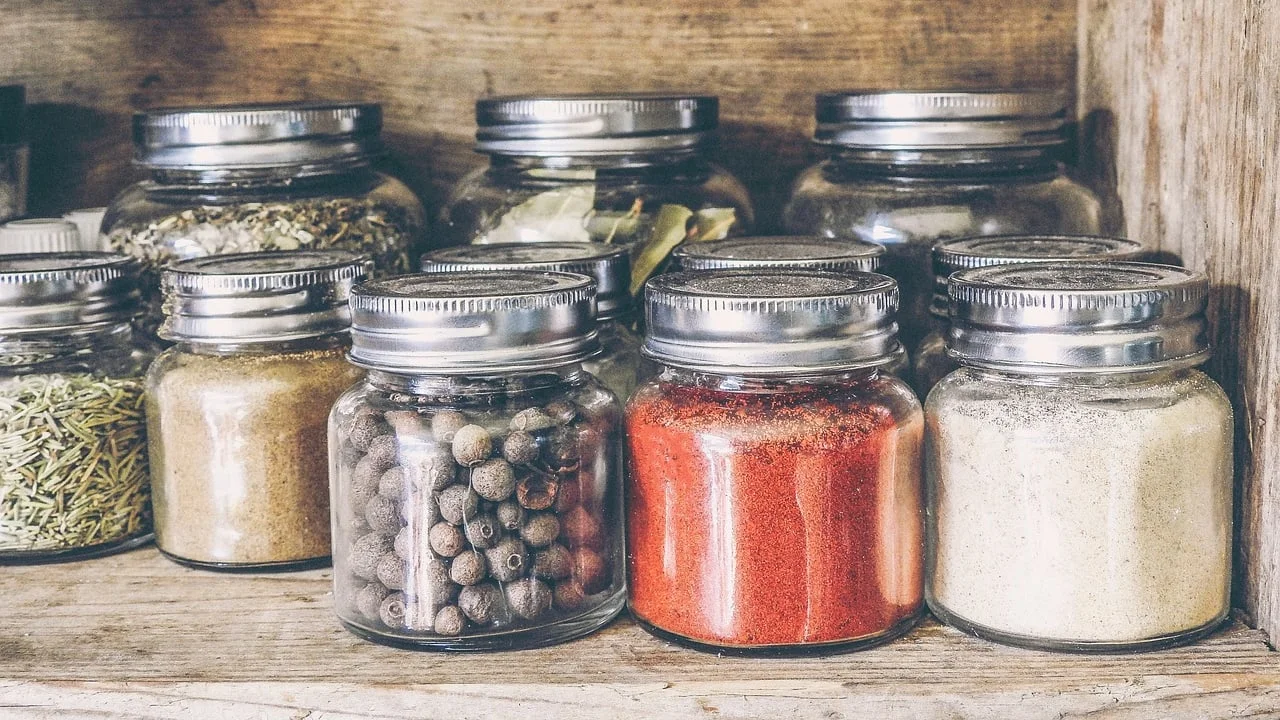
That jar of cumin you bought for one recipe in 2022 is still taking up eye-level space. So is the second paprika, the mystery bag of bay leaves, and the cinnamon that smells mostly like cardboard.
A spice cabinet does not need matching jars, a tiered rack, or a label maker to work better. It needs fewer dead bottles, a cooler storage spot, and a layout that matches how you cook.
The 20-minute spice cabinet reset
1. Pull every spice out before you judge anything
Do not try to tidy one bottle at a time. Empty the cabinet, drawer, basket, or shelf onto the counter. The Kitchn's annual spice-cabinet refresh starts the same way: take everything out, clean the shelves, let the cabinet dry, then decide what goes back. 1
Do this:
- Put every spice, herb, blend, extract, packet, and duplicate on the counter.
- Wipe the shelf or drawer with a damp cloth and a little dish soap.
- Dry the space before anything goes back in.
- Make three piles: keep, use soon, and toss or compost.
Why it works: you cannot see duplicates, leaks, or stale bottles when everything is stacked two rows deep. The empty shelf also shows whether the problem is too many spices, poor placement, or both.
Watch for this mistake: do not wipe the shelf and immediately reload damp jars. Moisture is one of the things you are trying to keep away from dried herbs and spices.
2. Use the smell-and-color test, not just the printed date
Dried spices usually fade before they become unsafe. The Ohio State University Extension chart says whole spices and herbs can be checked after 1 to 2 years, while ground spices, herbs, and blends lose quality faster; its handling note says to check aroma and replace faded spices. 2 The Kitchn gives the same practical rule: dried herbs and spices do not spoil like milk, but they lose color, smell, and flavor over time. 1
Do this:
- Open one jar at a time.
- Look for faded color, clumps, dustiness, or a smell that has gone flat.
- Rub a pinch between your fingers. If it barely smells like itself, move it to the use-soon pile.
- Toss anything with moisture, mold, insects, or a damaged lid.
Why it works: flavor in dried herbs and spices comes from volatile oils, which fade with air, heat, light, and time. A spice that smells weak in the jar will be even weaker in the pot.
Watch for this mistake: do not keep a dead spice because the jar is full. A full jar of flavorless oregano still makes dinner worse and takes the best shelf spot.
3. Move the cabinet away from heat, steam, and light
The easy reach above the stove is usually the wrong place. Ohio State notes that cabinets above a range, near a dishwasher, or next to refrigerator exhaust are too warm for keeping pantry food at top quality. 2 The same page says spices should be stored in airtight containers in dry places away from sunlight and heat. 2
Do this:
- If your spices live above the stove, move them to a cooler cabinet, drawer, or pantry shelf.
- Keep them away from the dishwasher side of the kitchen if that cabinet gets warm or steamy.
- Use the original lids tightly; you do not need new jars if the current ones seal well.
- Pour spices into your palm or a spoon before adding them to a steaming pot.
Why it works: heat and steam speed up flavor loss and can make powders clump. A few extra steps from the stove are worth it if the spices stay dry and aromatic.
Watch for this mistake: do not shake a jar directly over a boiling pan. Steam can drift into the bottle and turn a free fix into a clumpy mess.
4. Consolidate duplicates only after they pass the freshness test
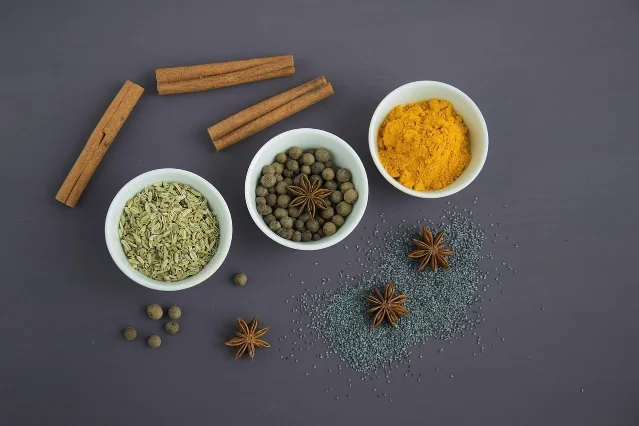
Apartment Therapy recommends bringing all spices into the open, checking dates, tossing expired bottles, then combining duplicates when you can. 3 The important part is sequence: stale plus fresh does not make fresh.
Do this:
- Pair up exact duplicates: two cumins, two cinnamons, two garlic powders.
- Smell both before combining.
- If one smells dull, keep the fresher one and discard or use up the dull one separately.
- If both are good, combine them in the container with the tighter lid.
- Mark the older date on the combined jar if you know it.
Why it works: duplicates are usually why people rebuy what they already own. Consolidating good duplicates frees space and makes the real inventory easier to see.
Watch for this mistake: do not mix a very old jar into a newer one just to save a bottle. You have spread the weak flavor through the whole supply.
5. Put everyday spices in the front row, not alphabetical order by default
Alphabetical order looks tidy until you are cooking fast and need the same five bottles every night. Apartment Therapy's 2025 spice-cabinet test used a dish-based method, then modified it by placing most-used spices in the front row and less-used ones behind. 4 Its older spice-storage guide also suggests ordering spices by frequency of use, with salt and pepper in front and less-used herbs in the back. 3
Do this:
- Pick your front-row staples: usually salt, pepper, garlic powder, chili flakes, cumin, paprika, cinnamon, or the few you actually touch weekly.
- Put baking spices together if you bake.
- Put dish families together if that is how you cook: taco night, curry night, soup, baking, grilling.
- Move rare spices to the back or top shelf.
Why it works: a cabinet should reduce searching during real cooking. The right system is the one that helps you put things back without thinking.
Watch for this mistake: do not choose a system you admire but will not maintain. If the household cooks by meals, alphabetizing may turn into disorder within a week.
6. Tape a paper map inside the cabinet door
You do not need printed labels to keep the system alive. In Apartment Therapy's spice-cabinet test, the writer made a written legend of the rack from left to right and taped it inside the cabinet so everyone knew where each spice belonged and what had run out. 4 Good Housekeeping also recommends labels with expiry dates for people who forget what needs using first. 5
Do this:
- Draw a quick shelf map on scrap paper.
- Write the front-row spices in order.
- Add a tiny "low" or "out" corner for anything you need to replace.
- Tape the paper inside the cabinet door.
- Cross off and rewrite as the setup changes.
Why it works: the map turns cleanup into matching, not remembering. That matters if more than one person cooks or unloads groceries.
Watch for this mistake: do not make the map too precious. If updating it feels like a stationery project, you will stop using it.
7. Make a use-soon row before you buy replacements
Good Housekeeping's cupboard reset recommends emptying the space, categorizing items, adding expiry dates to labels, and using first-in, first-out storage so older products get used before newer ones. 5 The same idea works for spices.
Do this:
- Put faded-but-still-usable spices in one visible use-soon row.
- Before grocery shopping, check that row and your paper map.
- Plan one meal that uses the weak spice generously: chili powder in beans, cinnamon in oatmeal, bay leaves in soup.
- If a spice survives two resets untouched, stop giving it prime space.
Why it works: the cabinet stops being a spice museum and becomes a working inventory. You buy less because you can see what you have, and you cook better because the good jars are reachable.
Watch for this mistake: do not force a stale spice into a dish where it carries the whole flavor. Use weak dried herbs in stock or long-simmered food, not as the finishing note on dinner.
What to leave behind
Skip the matching-jar project unless you already own jars that seal well. Skip the wall rack if it puts spices in sunlight. Skip the big restock order until you have cooked through what is still good.
The win is smaller: one cooler shelf, one front row you actually use, one paper map, and fewer bottles pretending they still have flavor.
Contenido relacionado
- Inicia sesión para comentar.
More from this channel
- Your vacuum is not a magic wand: 7 free fixes for cleaner floors
- Your password list is not a security plan: 7 free fixes
- Your bathroom counter is not a supply closet: 7 free fixes
- Your downloads folder is not an archive: 7 free fixes
- Your nightstand is not a junk drawer: 7 free fixes
- Your camera roll is not a storage unit: 7 free fixes
- Your kitchen trash can is not self-deodorizing: 7 free fixes
- Your carry-on is not a closet: 7 free fixes