1/6
July Environmental Humanities Reading Roundup
Five recent environmental-humanities papers for graduate readers, spanning water in contemporary art, ecological justice narratives, plantation studies, AI storytelling, and grassroots environmentalism.
July is still early, so this launch roundup pairs the strongest July papers I found with late-June papers that belong on an environmental-humanities reading list. Future monthly issues should use the full calendar month once enough current-month material is available.
What to read first
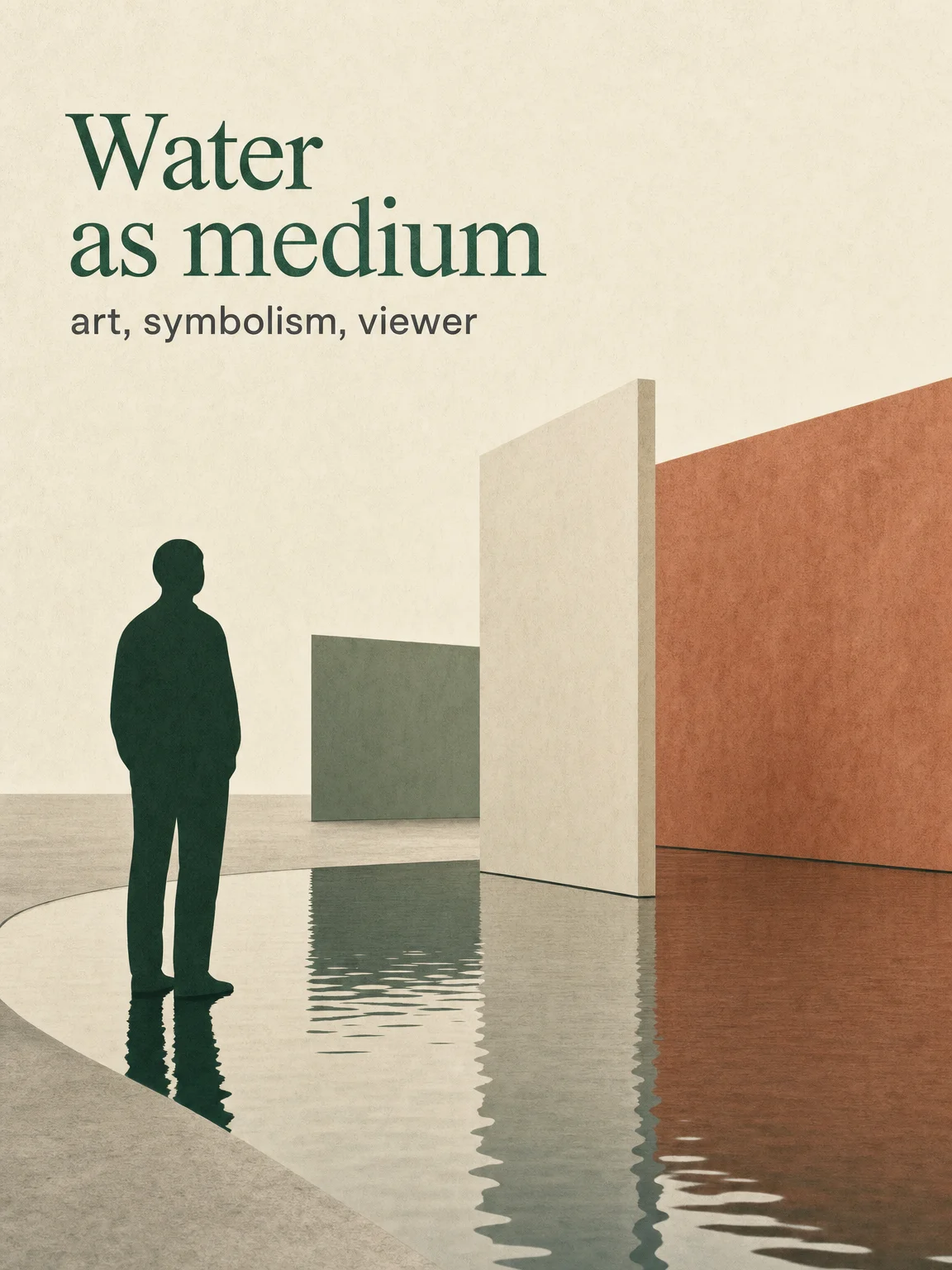
- Anna Maria Wierzbicka and Marta Nawrocka read water in contemporary art as both a symbolic and phenomenological medium, with attention to the tension between ecological meaning, greenwashing, and over-technologized spectacle. 1
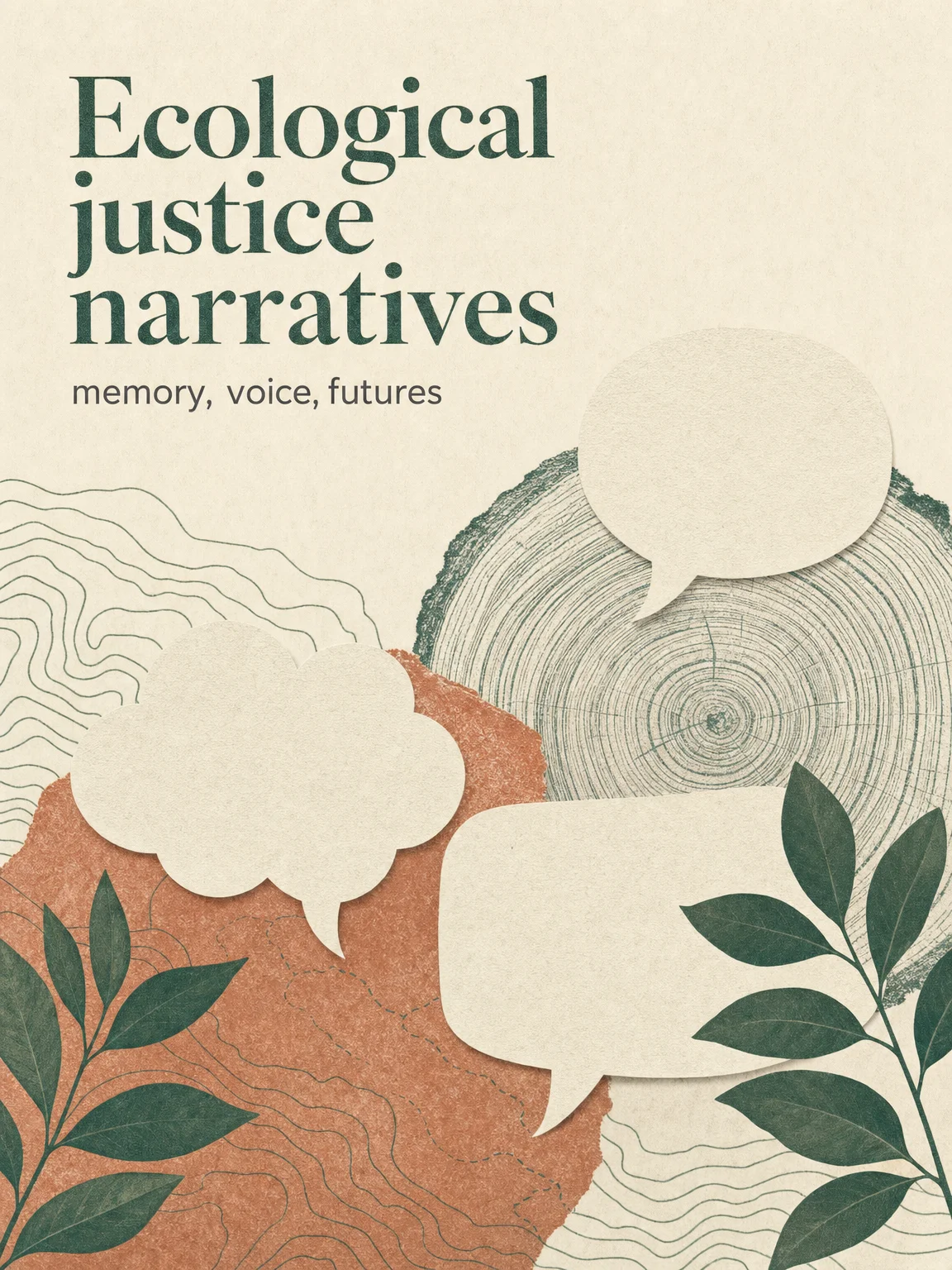
- Jueru Xin examines African American environmental literature from 1980 onward and identifies five narrative strategies: memory reconstruction, community voice amplification, intergenerational dialog, ecological knowledge transmission, and future imagination. 2
- Sophie Chao's Cambridge Element treats plantations as sites of colonial violence, multispecies extraction, extinction, and possible counter-plantation futures. It was published online on 8 June 2026, with print publication listed for 2 July 2026. 3
- Adarsh Singh Chauhan and Maithili Paikane connect ecocriticism, digital humanities, and generative AI through Amitav Ghosh's The Living Mountain and Hansda Sowvendra Shekhar's The Adivasi Will Not Dance, arguing for environmentally responsible AI storytelling. 4
- Payel Pal revisits I Am Farmer: Growing an Environmental Movement in Cameroon as a graphic narrative of grassroots environmentalism, collective solidarity, and sustainable ethics in a Global South context. 5
Reading thread
Taken together, these papers push the field toward media and method: water installations, literary justice narratives, plantation worlds, AI-mediated storytelling, and graphic environmental activism. The common question is not simply how culture represents ecological crisis, but how forms of representation shape what readers, viewers, and communities can notice, remember, and contest.
Comentar
Inicia sesión para comentar.