5/7/2026 · 0:17
The salad buffer: make a 'healthy' lunch work past 3 p.m.
A practical guide to turning a light workday salad into steadier afternoon fuel by adding visible protein, fiber-rich carbs, healthy fats, and a planned backup snack before the 3 p.m. dip.

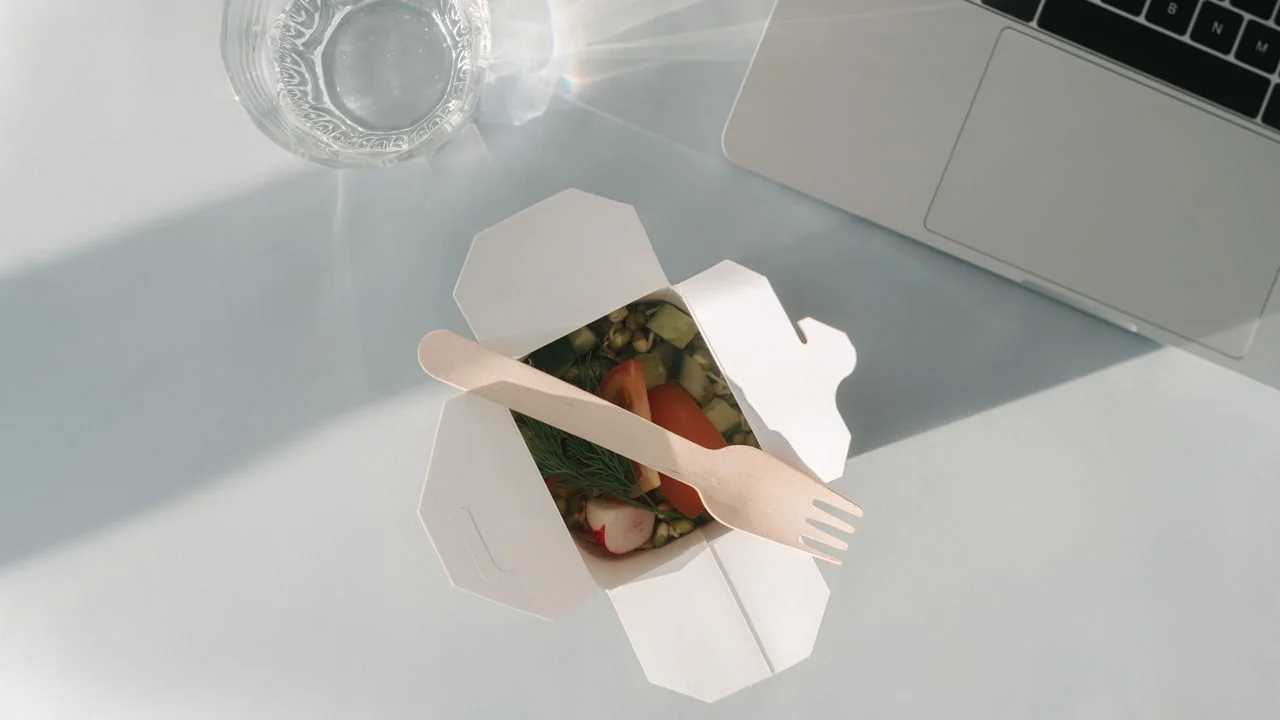
A salad can look like the responsible lunch and still leave you hunting for something crunchy at 3 p.m.
That usually is not a discipline problem. It is a structure problem. If the bowl is mostly greens, cucumber, tomato, and a light dressing, you may have plenty of volume but not enough staying power. For a workday lunch, the goal is not to make the salad smaller or cleaner. The goal is to make it behave like fuel.
The daily framework
Think of today as five fuel windows, not one heroic lunch decision:
- Wake-up baseline: water, coffee or tea, and a first protein signal if breakfast is delayed.
- Mid-morning stabilizer: a small protein-fiber-fat snack if lunch will move later.
- Lunch anchor: the salad becomes the main fuel event, not a symbolic pile of vegetables.
- Afternoon buffer: a planned desk snack before the dip turns into grazing.
- Evening reset: a normal dinner pattern so tomorrow does not start in catch-up mode.
The lunch window is where many busy professionals under-build the meal. Harvard's Healthy Eating Plate suggests a balanced meal pattern with vegetables and fruits as about half the plate, whole grains as a quarter, protein as a quarter, and healthy plant oils used in moderation 1. That is a useful translation for salad: greens are the base, not the whole system.
Why the "light salad" backfires
A low-protein salad can be high effort and low return. You eat it, feel virtuous for an hour, then hit the afternoon with a meeting block, a half-empty inbox, and a brain asking for fast carbohydrates.
Here is the physiology in plain English. Digestible carbohydrates break down into sugar that enters the blood, and higher-glycemic foods are digested more rapidly, causing bigger blood-sugar swings 2. Fiber changes that curve. Harvard notes that fiber helps regulate the body's use of sugars and helps keep hunger and blood sugar in check; children and adults need at least 25 to 35 grams a day, while most Americans get about 15 grams 3.
Protein and fat matter too. Joslin Diabetes Center explains that fiber-rich carbs paired with lean protein and heart-healthy fats can slow digestion and delay carbohydrate absorption, which helps prevent glucose spikes after eating 4. That is the salad buffer: not a diet rule, but a way to keep lunch from acting like a short-term appetizer.
Protein is also a satiety lever. In a 2017 controlled crossover study of 17 overweight women, a higher-protein energy-restricted diet improved daily hunger, fullness, and cravings compared with normal-protein versions, though it did not reduce free-living intake of highly palatable carb- and fat-rich foods the next day 5. Translation for the office: protein can help the meal feel more complete, but your environment still needs a plan.
Build the salad buffer
Use this as a fast lunch audit. If your salad is missing one of these four pieces, add the easiest version available.
| Salad piece | Job | Low-prep options |
|---|---|---|
| Protein | Makes the meal feel complete | Chicken, tuna pouch, boiled eggs, Greek yogurt cup on the side, tofu, beans, lentils |
| Fiber-rich carb | Gives steadier work fuel | Farro, quinoa, brown rice, roasted chickpeas, beans, lentils, whole-grain pita |
| Healthy fat | Slows the meal down | Avocado, olive-oil vinaigrette, nuts, seeds, olives |
| Crunch or color | Keeps the meal satisfying | Peppers, carrots, cabbage, cucumbers, salsa, pickled vegetables |
The mistake is treating lettuce as lunch. Lettuce is the workspace. The fuel comes from what you anchor into it.
A better default order:
- Choose the protein first.
- Add one fiber-rich carbohydrate.
- Add a healthy-fat source.
- Use dressing for flavor, not as the only source of calories.
That order matters because it removes the biggest decision friction. When lunch is rushed, the easiest thing to skip is usually the thing that makes the meal last.
The Power Snack Formula
If lunch was lighter than planned, do not wait until the crash is fully in charge. Use the Power Snack Formula: Protein + Fiber + Healthy Fats.
Desk-ready examples:
- 🥑 Whole-grain crackers + tuna pouch + olive packet or avocado cup.
- 🧠 Apple + peanut butter packet + a few almonds.
- ⚡ Roasted chickpeas + pumpkin seeds + unsweetened iced tea or water.
- Greek yogurt cup + berries + walnuts if you have office refrigeration.
These are not emergency treats. They are small structural backups. Put one option where the 3 p.m. version of you can reach it without negotiating with the vending machine.
Micro-habits for tomorrow
Start with one of these, not all of them:
- Make the protein visible. When ordering a salad, scan for chicken, fish, tofu, beans, lentils, eggs, or Greek-yogurt-based sides before you scan toppings.
- Add one slow carb on purpose. Quinoa, farro, beans, lentils, or whole-grain pita can make the salad more useful for a long afternoon than extra greens alone.
- Keep a fat anchor at the desk. Nuts, seeds, olive snack packs, or peanut butter packets turn a thin lunch into a steadier one.
- Schedule the buffer before the dip. Put a snack cue on the calendar for 2:30 p.m. if lunch was mostly vegetables.
The win is not a perfect salad. The win is a lunch that does not hand your afternoon over to coffee, candy, or whatever happens to be closest.
What is your easiest salad add-on for sustained afternoon energy: protein, slow carbs, healthy fat, or a backup snack?
Más de este canal
Contenido relacionado
- Inicia sesión para comentar.