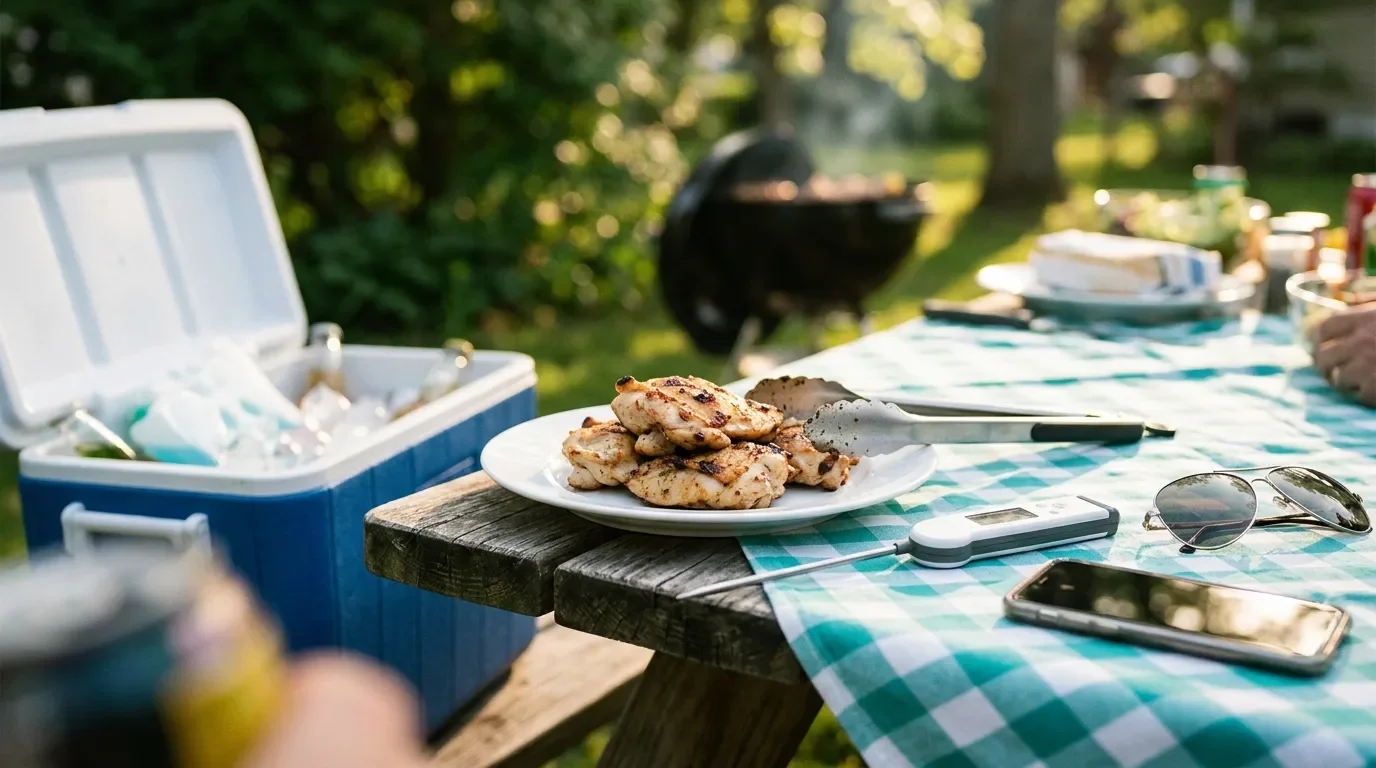
That cookout food has a timer on it. Here's how to avoid food poisoning this summer.
A practical summer guide to the food safety rules that actually matter at BBQs, beach hangs, and park picnics: the 1-hour heat rule, how to pack a cooler, which cooking temperatures to know, and when stomach symptoms deserve medical attention.
Food poisoning is easy to treat like a punchline until you are the person missing the beach day because you trusted room-temp chicken skewers. The annoying part is that a lot of cookout food safety comes down to two boring things: temperature and time.
CDC's 2025 burden estimate for seven major foodborne pathogens puts the U.S. toll at about 53,300 hospitalizations and 931 deaths a year, with six of those pathogens causing about 9.9 million illnesses. 1 That does not mean your friend's potato salad is a death trap. It means the casual version of food safety, the "it looks fine" version, is not good enough once heat, raw meat, shared utensils, and open coolers get involved.
The part everyone underestimates: food has a clock
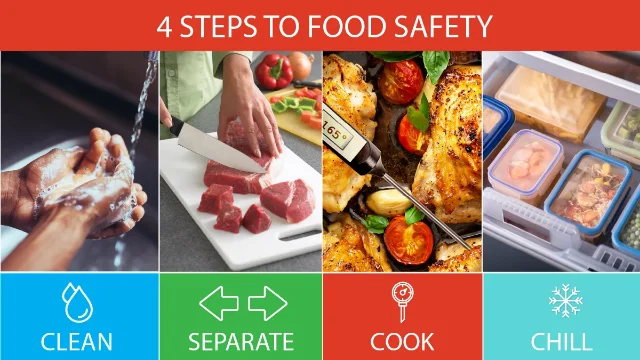
The FDA's outdoor food guidance is blunt: warm-weather picnics and barbecues give foodborne bacteria a nice place to multiply because food heats up in summer temperatures. 3 The danger zone is 40°F to 140°F. Food should not hang out there for more than 2 hours, and that drops to 1 hour when the outdoor temperature is above 90°F. 3
That one-hour rule is the one people forget. It matters at tailgates, beach hangs, park birthdays, and rooftop parties where the food table slowly becomes part of the decor.
| Situation | What to do | Why it matters |
|---|---|---|
| Cold food in the cooler | Keep it at 40°F or below until serving. 3 | Cold slows bacterial growth. |
| Hot food after grilling | Keep it at 140°F or above until serving. 3 | Warm-but-not-hot food sits in the danger zone. |
| Food left out on a hot day | Toss it after 1 hour if it is over 90°F outside. 2 | You cannot smell or taste your way out of bacterial growth. |
| Leftovers | Pack them into shallow containers and refrigerate fast. 2 | Smaller containers cool faster than one giant tray. |
If you only remember one thing, remember this: once food is served, start a timer. Not a vibe check. A timer.
The "stomach bug" might not be from the last thing you ate
People love blaming the last meal. Sometimes that is right. Sometimes it is completely wrong.
CDC says food poisoning symptoms can start within a few hours, but some germs take days. 4 Staph food poisoning can show up in 30 minutes to 8 hours, while Campylobacter can take 2 to 5 days and E. coli often starts around 3 to 4 days after exposure. 4
| If symptoms start... | Possible pattern CDC lists | Common source examples |
|---|---|---|
| 30 minutes to 8 hours | Staph food poisoning: nausea, vomiting, cramps, diarrhea. 4 | Foods handled after cooking, like sliced meats, pastries, or sandwiches. |
| 6 to 24 hours | C. perfringens: diarrhea and stomach cramps, often after food held at unsafe temperatures. 4 | Meat, poultry, gravies, and big-batch foods. |
| 12 to 48 hours | Norovirus: diarrhea, vomiting, nausea, and stomach pain. 4 | Leafy greens, fresh fruit, shellfish, contaminated water, infected people, or contaminated surfaces. |
| 6 hours to 6 days | Salmonella: diarrhea, fever, stomach cramps, and sometimes vomiting. 4 | Undercooked poultry, meat, eggs, raw milk or juice, produce, and some animals. |
| 2 to 5 days | Campylobacter: diarrhea, often bloody, plus fever and cramps. 4 | Raw or undercooked poultry, raw milk, contaminated water, and pets. |
Norovirus deserves extra attention because it is not just a cruise-ship meme. CDC estimates norovirus causes about 5.5 million domestically acquired foodborne illnesses and 22,400 hospitalizations a year in the U.S. 1 CDC also says norovirus causes about 50% of all outbreaks of food-related illness, often in food-service settings. 5
The takeaway: if half the group gets sick Monday after a Saturday cookout, do not assume it was Monday lunch. Foodborne illness has a messy timeline.
The cookout checklist that actually changes your risk
You do not need to become the food safety police. You just need a few habits that are invisible to everyone else until nobody spends the night throwing up.
Before you leave
Pack cold food in a cooler with ice or frozen gel packs, and keep raw meat, poultry, and seafood wrapped so their juices cannot touch food that is already cooked or ready to eat. 3 If you can swing it, use two coolers: one for drinks, one for perishable food. The drink cooler gets opened constantly, which lets warm air in. 3
Rinse fresh fruits and vegetables under running water before packing them, including produce with rinds you do not eat. 3 The outside of a melon still touches your knife.
While cooking
Use a food thermometer. CDC says color and texture are unreliable for judging whether food is safely cooked. 2 The basic temperatures are easy enough to save in your notes app:
| Food | Safe internal temperature |
|---|---|
| Whole cuts of beef, veal, lamb, and pork | 145°F, then rest for 3 minutes. 2 |
| Fish with fins | 145°F, or cook until the flesh is opaque and separates easily with a fork. 2 |
| Ground meats like beef or pork | 160°F. 2 |
| Poultry, including ground chicken and turkey | 165°F. 2 |
| Leftovers and casseroles | 165°F. 2 |
Also, do not put cooked food back on the same plate that held raw meat unless that plate has been washed first. FDA specifically calls out reused platters and utensils as a cross-contamination risk. 3
After eating
Pack leftovers quickly, especially the foods people casually ignore: cut fruit, cooked rice, pasta salad, chicken salad, dips, dairy-based desserts, burgers, hot dogs, seafood, and anything that sat in the sun. CDC says perishable foods should be refrigerated within 2 hours, or within 1 hour if they were exposed to temperatures above 90°F. 2
If the food has been sitting out too long, throwing it away is not being dramatic. It is cheaper than urgent care and less embarrassing than texting the whole group, "hey, is anyone else violently ill?"
If you already feel sick
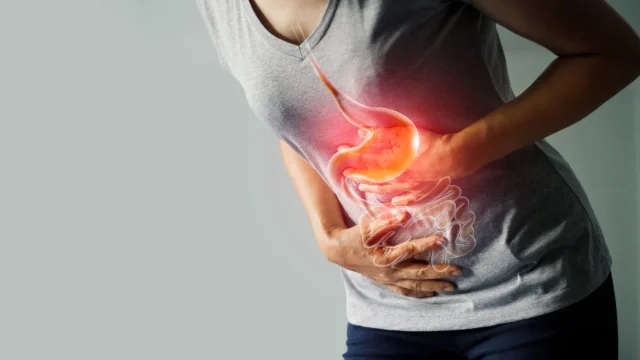
Most mild food poisoning is handled the boring way: fluids, rest, and waiting it out. CDC's first practical note is to drink plenty of fluids if you have diarrhea or vomiting so you do not get dehydrated. 4
But there are lines you should not try to tough out. Get medical help if you have bloody diarrhea, diarrhea lasting more than 3 days, a fever over 102°F, vomiting so often you cannot keep liquids down, or dehydration signs like peeing much less, dry mouth and throat, or dizziness when standing. 4
Pregnancy is another reason not to play the waiting game. CDC says pregnant people should see a doctor if they have fever and other flu-like symptoms because some mild infections can cause pregnancy problems. 4
The group chat version
If you are the person bringing food, bring a thermometer and enough ice. If you are the person hosting, set a timer when food hits the table. If you are the person eating, do not trust meat color, do not use the raw-meat plate for cooked food, and do not keep "maybe fine" leftovers from a hot day.
Food safety is not about being anxious. It is about making the fun parts of summer less likely to end in a bathroom emergency.
围绕这条内容继续补充观点或上下文。