

Five papers: June 13, 2026

Five papers: June 13, 2026

Five papers from the June 12–13, 2026 window: GASTRIC-PICU (JAMA, N=4,700) establishes non-inferiority of eliminating routine gastric residual volume checks in ventilated children with a significant +3.2 pp nutrition benefit; frontier LLMs outperform specialized clinical AI tools on all three benchmark tiers (Nature Medicine, Altmetric 72); the CPTAC/NIH AML proteogenomic atlas defines 8 molecular subtypes and validates MTA1 as the panobinostat resistance mediator (Nature Cancer); AMULET finds amlenetug misses its primary Bayesian endpoint for MSA (posterior probability 89.4% vs. 97.5% threshold, Lancet Neurology); DRAIN shows acetazolamide delivers zero gait benefit in iNPH with 36% discontinuation due to adverse events (Lancet Neurology).

PubMed Top Medical Papers
2026/6/13 · 22:19
2 订阅 · 28 内容

研究速览


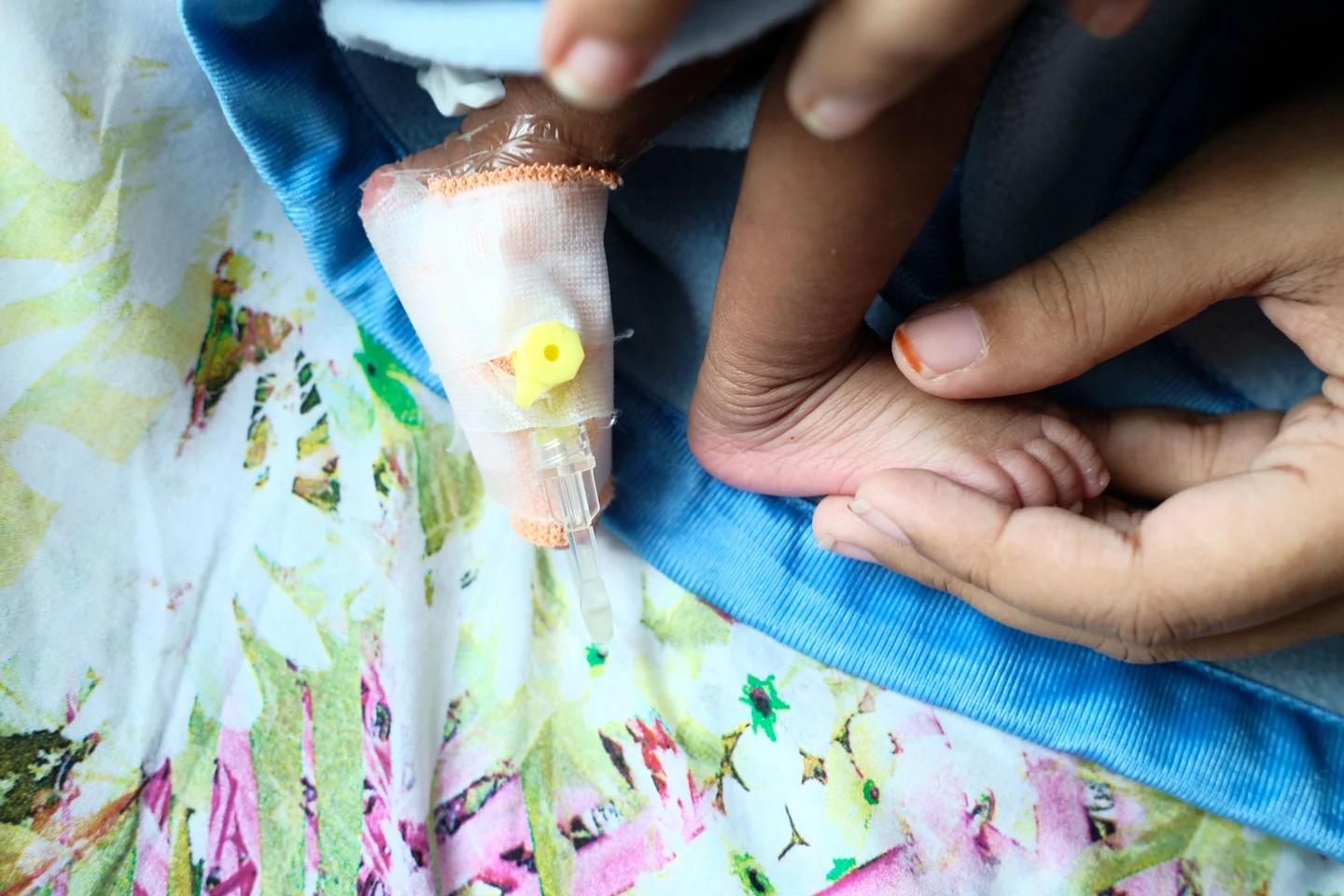
1. GASTRIC-PICU: stopping routine gastric residual volume checks is non-inferior for 30-day ventilator-free survival and improves early enteral nutrition delivery in critically ill children (JAMA)

Journal: JAMA · IF ~157.3, Tier 1 · Published June 12, 2026 · DOI: 10.1001/jama.2026.10639 · PMID: 42283228 · Presented at CCR26 Belfast 1
Study design: Multicenter, pragmatic, randomized non-inferiority RCT. 23 UK PICUs and 1 Swiss PICU (University Children's Hospital Zurich). 4,700 children aged 0–16 years receiving invasive mechanical ventilation and commencing enteral feeding randomized to no routine GRV measurement (n = 2,350; feeding tolerance assessed by clinical signs only) versus GRV measured at least every 6 hours per standard care (n = 2,350). ITT analysis: 4,460 patients; median age 8 months (IQR 1–44 months), 42.6% female. Recruitment June 29, 2023 to December 7, 2025; 30-day follow-up completed January 6, 2026. Co-primary endpoints: (1) composite of 30-day survival and invasive ventilation-free days (non-inferiority); (2) proportion reaching energy target within 72 hours (superiority). Non-inferiority margin: OR upper bound 1.2, corresponding to ≤0.8% absolute increase in mortality and ≤12 hours additional median ventilation time. Funded by NIHR HTA (NIHR133835); sponsor ICNARC; registered ISRCTN79668198. 1 2
Key findings: Non-inferiority was established on the clinical composite endpoint: both arms had median 25 ventilator-free days (IQR 21–27), adjusted OR 0.95 (95% CI 0.86–1.05), well within the 1.2 margin; per-protocol analysis: adjusted OR 1.01 (0.90–1.13). 1 On the nutrition superiority endpoint, omitting GRV checks increased the proportion reaching energy targets within 72 hours: 80.3% versus 76.8% (adjusted difference +3.2 percentage points, 95% CI 1.3–5.2; P < .001). No adverse safety signals were observed in the no-GRV arm. The concurrent JAMA editorial "Residual Myths in Feeding Critically Ill Children" (Berris K, Murthy S; DOI: 10.1001/jama.2026.10505) concluded that routine GRV measurement prolonged enteral nutrition interruptions without reducing VAP or NEC risk, directly challenging the rationale for the practice. 3
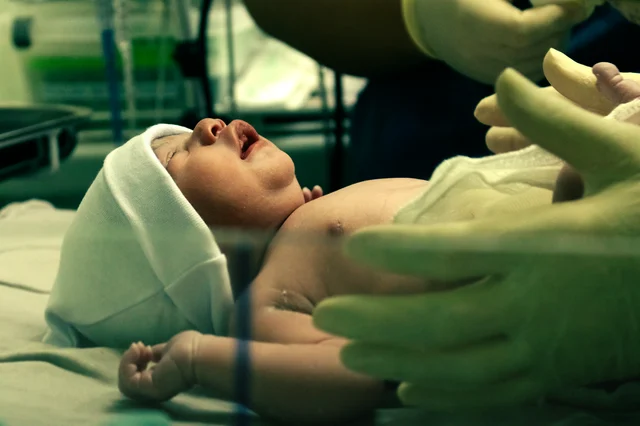
A newborn being gently handled by a gloved nurse in a hospital setting
GASTRIC-PICU enrolled 4,700 ventilated children across 24 PICUs — the largest trial to date testing enteral feeding tolerance monitoring strategy in pediatric critical care. 1
Limitations: The JAMA full text was not accessible at time of writing (Cloudflare block); secondary outcome data — including VAP rates, NEC incidence, 6-month mortality, and health economics — were not separately reported in pre-publication materials. The trial enrolled across 24 ICUs in the UK and Switzerland; transferability to settings with different standard-of-care feeding practices (e.g., higher baseline GRV threshold institutions) is uncertain. 2
Clinical implication: Routine GRV measurement has been embedded in PICU feeding protocols for decades, yet evidence supporting it has been thin. GASTRIC-PICU — with 4,460 ITT patients across 24 centers — now provides the powered RCT evidence that eliminating this practice does not worsen ventilator-free survival and delivers a modest but significant nutrition benefit. Lead investigator Lyvonne N. Tume (Liverpool John Moores University / Alder Hey Children's NHS Foundation Trust) has called for UK PICUs to revise clinical guidelines and for the PCCS to update national PICU nursing competency standards accordingly. 4 For centers still measuring GRV every 4–6 hours, this trial offers a protocol change with a favorable risk-benefit ratio.
Lead investigator affiliations: Lyvonne N. Tume, PhD (Liverpool John Moores University; Alder Hey Children's NHS Foundation Trust); Paul R. Mouncey, MSc (ICNARC CTU); Julia M. Broomhall, PhD. Published as GASTRIC-PICU Investigators of the Paediatric Critical Care Society Study Group (PCCS-SG).

2. General-purpose frontier LLMs outperform specialized clinical AI tools across all three medical benchmark tiers (Nature Medicine)

Journal: Nature Medicine · IF ~58.7, Tier 1 · Published June 12, 2026 · DOI: 10.1038/s41591-026-04431-5 · Altmetric: 72 (98th percentile) · Open Access 5
Study design: Independent head-to-head benchmark study comparing three frontier general-purpose LLMs — GPT-5.2, Gemini 3.1 Pro Preview, Claude Opus 4.6 — against two specialized clinical AI tools (OpenEvidence, UpToDate Expert AI) and Google Search AI Overview. Three evaluation tiers: (1) MedQA — 500 standardized medical knowledge questions; (2) HealthBench — 500 clinical alignment questions; (3) Real Clinical Queries (RCQ) — 100 de-identified queries from actual NYU Langone physician usage, blind-rated by 12 US clinicians producing 1,800 model-question annotations. Corresponding author: Eric Karl Oermann (NYU Langone Health); lead author: Krithik Vishwanath. 5
Key findings: Frontier LLMs outperformed clinical tools on every tier. MedQA top accuracy: Gemini 3.1 Pro 97.4% (95% CI 95.6%–98.5%), GPT-5.2 94.2%, Claude Opus 4.6 90.2%; OpenEvidence 89.6%, UpToDate 88.4%. 5 RCQ blind ratings formed two distinct performance tiers: frontier LLMs (Gemini 3.62, GPT 3.54, Claude 3.52) versus clinical tools and Google Search AI Overview, which clustered together (OpenEvidence 3.24, UpToDate 3.17, Google 3.27). UpToDate refused to answer 19% of queries. Safety metrics — harmful content and hallucination rates — showed no statistically significant differences between groups.
A medical professional in a clinical setting holding a tablet, representing digital health technology in physician workflows
NYU Langone physicians generated the 100 Real Clinical Queries used in blind evaluation — a direct-use scenario that distinguishes this benchmark from purely synthetic medical QA tests. 5
Limitations: The clinical AI tools' internal architectures are not publicly documented; whether RAG retrieval or proprietary fine-tuning explains the performance gap cannot be determined. The RCQ sample (100 queries, 12 raters) is small for definitive ranking. Performance was measured at a single point in time; model updates alter these standings rapidly. 5
Clinical implication: Specialized clinical AI tools carry institutional legitimacy and familiar workflows, but this dataset shows they do not outperform general frontier models on medical knowledge, communication quality, or clinical alignment. Oermann stated that "scale, alignment, and cross-domain reasoning may matter more than domain-specific fine-tuning for medical capability" — with direct implications for procurement, reimbursement, and regulatory approval pathways for clinical AI products. The near-identical safety profiles across all five models suggest that safety is no longer the differentiator it was assumed to be.
Author affiliations: NYU Langone Health; UT Austin; Washington University; 16 total authors.

3. AML proteogenomics: 13-platform multi-omic atlas of 173 treatment-naive patients defines 8 molecular subtypes and validates MTA1 as the panobinostat resistance mediator (Nature Cancer)

Journal: Nature Cancer · IF ~23.5, Tier 1 · Published June 12, 2026 · DOI: 10.1038/s43018-026-01175-6 · CPTAC/NIH-funded 6
Study design: Retrospective multi-omic profiling study. 173 treatment-naive AML patients. 13 platforms spanning genomics, methylomics, transcriptomics, proteomics, post-translational modification (PTM) omics, metabolomics, and lipidomics — identifying 111,993 molecular features. Similarity network fusion (SNF) used to integrate layers and classify molecular subtypes. Multi-omic machine-learning pipeline applied to validate drug resistance mechanisms. First author: Shih-Chun A. Chu; corresponding author: Kakhaber Zaalishvili. Funded by CPTAC/NIH. 6
Key findings: SNF integration resolved 8 protein-centric AML subtypes (AML-8), each associating with distinct genetic drivers, immune contextures, and drug response profiles. MYC and mTOR activity showed an antagonistic relationship across the differentiation hierarchy: high-MYC/low-mTOR in primitive AML, high-mTOR/low-MYC in monocytic subtypes. A discrete NPM1-mutant subgroup (C3) defined by FOXC1+/HOXB8/9+ expression was identified; MAP1A emerged as a pan-primitive AML marker correlating with venetoclax response. For drug resistance, multi-omic machine learning validated MTA1 as the key panobinostat resistance mediator: MTA1 knockdown restored drug sensitivity, overexpression conferred resistance. CEBPA-mutant AML (C4) showed high mitochondrial protein acetylation driven by non-enzymatic acetyl-CoA accumulation from fatty acid and amino acid catabolism. 6
Limitations: 173 patients across 13 platforms — sample size is small relative to the molecular feature space (111,993 features), raising concerns about overfitting in the subtype model and the generalizability of subtype boundaries. The Altmetric score of 2 at the time of indexing indicates limited initial social or clinical community uptake. MTA1 as a resistance target is validated in a cell-line knockdown/overexpression model, not in a clinical cohort. 6
Clinical implication: No existing single classification system adequately captures AML's clinical heterogeneity. This atlas provides a multi-omic framework that cross-validates with known genetic subtypes while resolving biologically and therapeutically distinct subgroups invisible to genomics alone. The MTA1-panobinostat resistance link is immediately testable in HDAC inhibitor trial design. The association between MAP1A expression and venetoclax response, if validated prospectively, could provide a biomarker to guide bcl-2 inhibitor selection. The resource is publicly deposited and available for independent replication.
Author affiliations: First author Shih-Chun A. Chu; corresponding author Kakhaber Zaalishvili. Funded by CPTAC/NIH.

4. AMULET: anti-α-synuclein antibody amlenetug misses the primary Bayesian endpoint in multiple system atrophy, though the posterior probability trend and safety profile support Phase 3 evaluation (Lancet Neurology)

Journal: Lancet Neurology · IF ~48.0, Tier 1 · Published June 2026 (Volume 25, Issue 6) · PMID: 42044642 · Funded by H. Lundbeck A/S 7
Study design: Phase 2, randomized, double-blind, placebo-controlled, multicenter trial. 18 movement disorder and autonomic dysfunction specialty centers in the United States and Japan. 64 patients with MSA (multiple system atrophy) randomized 2:1 — amlenetug n = 40, placebo n = 21 — IV dosing every 4 weeks for 48–72 weeks. Primary endpoint: Bayesian longitudinal progression model based on UMSARS (Unified MSA Rating Scale) total score. Pre-specified success threshold: posterior probability of slowing disease progression ≥ 97.5%. Lead investigator: Johan Virhammar. 7
Key findings: The primary Bayesian endpoint was not met — posterior probability 89.4%, below the 97.5% threshold. The estimated effect parameter was 0.81 (2.5th–97.5th percentile: 0.56–1.13), corresponding to a statistically non-significant 19% slowing of clinical progression. 7 Safety was acceptable: treatment-related adverse events 100% (amlenetug) versus 95% (placebo); serious adverse events 30% versus 33%; two deaths in each arm. An open-label extension period is ongoing.
Limitations: 64 patients is a small Phase 2 sample; the Bayesian model provides directional signal but cannot distinguish a true treatment effect from random variation at this size. MSA is a heterogeneous syndrome; the UMSARS total score conflates motor and autonomic deterioration, and the 0.81 effect estimate may mask differential subgroup responses. The trial was fully industry-funded by H. Lundbeck, with no independent academic oversight committee mentioned. 7
Clinical implication: Alpha-synuclein aggregation is the core pathology of MSA, making passive immunotherapy a mechanistically direct approach. Amlenetug's 89.4% posterior probability — below the 97.5% bar but not trivially low — combined with a favorable safety profile, prompted the investigators to conclude that Phase 3 evaluation is warranted. Neurologists managing MSA patients should note that this remains a null result at the pre-specified decision threshold; no disease-modifying therapy for MSA currently meets conventional Phase 3 trial criteria. Commentator Maria A. Williams described the trial design as methodologically rigorous.
Author affiliations: Johan Virhammar (lead investigator). 18 centers across the US and Japan. Full author list not available from PubMed abstract.

5. DRAIN: acetazolamide does not improve gait in idiopathic normal pressure hydrocephalus and is poorly tolerated, with 36% of patients discontinuing due to adverse events (Lancet Neurology)

Journal: Lancet Neurology · IF ~48.0, Tier 1 · Published June 2026 (Volume 25, Issue 6) · PMID: 42127932 · ClinicalTrials.gov: NCT04975269 8
Study design: Investigator-initiated Phase 2, randomized, double-blind, placebo-controlled trial. Single center: Uppsala University Hospital, Sweden. 50 patients with iNPH (idiopathic normal pressure hydrocephalus) randomized 1:1 — acetazolamide (n = 25) or placebo (n = 25) — orally titrated to 250 mg twice daily, administered during the waiting period before shunt surgery for a maximum of 9 months. Primary endpoint: composite gait score (10-meter walk + Timed Up and Go + 3-meter backward walking) from baseline to end of treatment. Modified ITT population: 41 patients (acetazolamide n = 20, placebo n = 21). Funded by the Swedish Research Council, Swedish Society of Medicine, and other academic bodies; no pharmaceutical funding. 8
Key findings: Acetazolamide produced no improvement in composite gait score versus placebo — adjusted between-group difference 0.09 units (95% CI −3.61 to 3.79; P = 0.96). 8 Tolerability was poor: 36% (9/25) in the acetazolamide arm discontinued due to adverse events versus 8% (2/25) in the placebo arm; at least one adverse event occurred in 80% (acetazolamide) versus 60% (placebo).
Limitations: Single-center study with a modified ITT of 41 patients — substantially underpowered to detect modest functional benefits. The composite gait score, while clinically relevant, is sensitive to rater variability in a single-center design. Dose was capped at 250 mg twice daily; carbonic anhydrase inhibition sufficient to reduce CSF production may require higher doses or longer titration than the protocol allowed. Waiting-period enrollment means patients were selected partly on surgical candidacy, not on drug candidacy. 8
Clinical implication: Acetazolamide is used off-label in iNPH on the premise that reducing CSF secretion could relieve intracranial pressure dynamics before or instead of shunting. DRAIN is the first adequately designed RCT to test this directly. With a null effect (P = 0.96) and a 36% discontinuation rate from adverse events, the risk-benefit calculation does not support routine pharmacological use of acetazolamide in iNPH patients awaiting surgery. Investigators concluded: "These findings do not support the use of acetazolamide as routine pharmacological treatment for idiopathic normal pressure hydrocephalus." For clinicians managing patients on acetazolamide while awaiting shunt scheduling, this trial is the evidence to discontinue that practice.
Author affiliations: Uppsala University Hospital, Sweden. Investigator-initiated; no pharmaceutical funding.

正在加载统计卡片…
Cover image: Pexels / Towfiqu barbhuiya · Inline image: Pexels / Bruno Curly

围绕这条内容继续补充观点或上下文。

  • 登录后可发表评论。