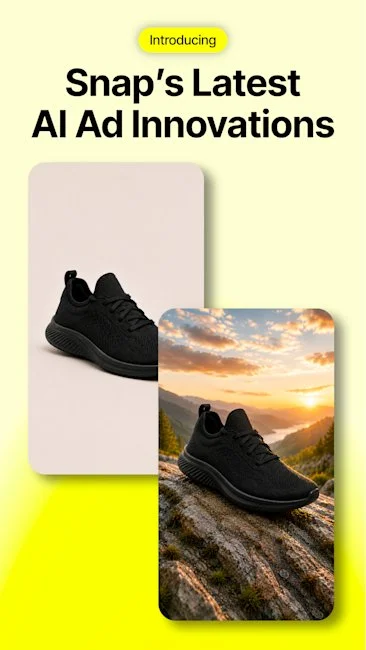
Snap's AI ad suite gives small brands a cleaner Snapchat test
Snap's June 18 AI ads update now spans campaign setup, creative generation, shopping recommendations, conversational ads, and creator matching. This article turns the announcement into a try/wait decision for small digital brands, with limits and a 30-minute pilot.

Snap's June 18 advertising update is useful because it aims at the parts of paid social that usually slow small teams down: campaign setup, vertical creative production, shopping recommendations, creator sourcing, and conversational product advice. Snap introduced the suite as AI-powered capabilities across its ads stack, while also saying Snapchat reaches more than 950 million monthly active users and that 47% of consumers use AI every day, especially among Gen Z. 1
My read: this is worth a controlled retest if your brand already sells visual products to under-35 buyers and has a working product feed. It is not a reason to move budget wholesale. Several pieces still need access, measurement, and human creative judgment before they can carry serious spend.
The fast decision
| Capability | What Snap announced | Best first user | Main watch-out |
|---|---|---|---|
| Snap Smart Assistant and MCP | Advertisers can describe goals; the assistant recommends campaign objectives, audience strategy, optimization settings, health checks, and next steps. Snap also said it is opening its ads platform to third-party AI agents through a Model Context Protocol server. 1 | Lean performance teams that want less setup work across paid social accounts. | Treat recommendations as a starting point, not autopilot. You still need budget caps, exclusions, and approval rules. |
| AI Sponsored Snaps | Brands can use AI agents in Chat to answer questions, recommend products, and help users decide without leaving the conversation. 1 | Products that need explanation: finance, beauty routines, sizing, bundles, accessories, subscriptions. | The format is only useful if the conversation handles objections accurately. Bad advice becomes a brand problem. |
| Revamped Dynamic Product Ads | Snap says new agentic recommendation models will synthesize behavior, product affinity, full-funnel signals, and real-time intent to surface more relevant products. 1 | Ecommerce brands with a clean catalog, feed, pixel, and enough conversion data. | Weak tracking or messy product taxonomy will blunt the recommendation model. |
| AI creative tools | Smart Upscale, Image-to-Video, and Background Image Enhancement can turn existing product assets into Snap-native vertical formats, with advertisers choosing which generated assets to run. 1 | Small creative teams that have product shots but not enough short-form variations. | AI variations still need brand review, offer review, and platform-specific QA. |
| Snap Creator Network | Later this year, advertisers will be able to describe desired creators by audience, tone, category, or campaign goals; Snap says the system will help with matching, recommendations, outreach, and activation. 1 | Brands that already know creator partnerships work, but lose time on discovery and activation. | This is not a replacement for checking creator fit, usage rights, deliverables, and brand safety. |
Why this announcement matters for small brand teams
Paid social AI has moved from copy generation into workflow control. Snap is not only offering a tool that makes another ad image. It is connecting campaign planning, product recommendations, creative adaptation, conversational commerce, and creator sourcing inside one advertising system.
That matters for small teams because the bottleneck is rarely one prompt. A two-person brand team usually loses time in hand-offs: the media buyer needs variants, the content lead needs platform-native edits, the founder wants a creator shortlist, and nobody has time to rebuild a product catalog experiment from scratch.
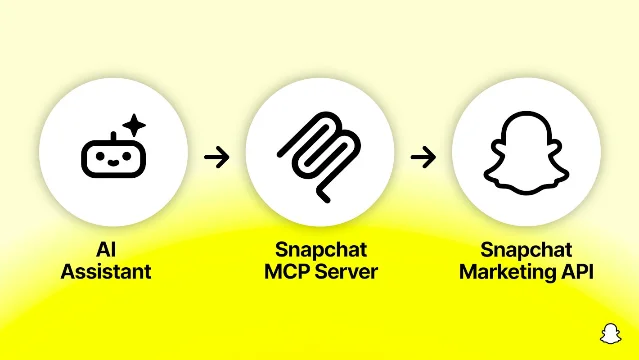
The MCP detail is the part to watch. Microsoft Advertising made a similar move the day before, saying its Advertising MCP server is expanding to open pilot with read-only access so businesses and agencies can build AI workflows grounded in live campaign data inside M365 Copilot, Claude, ChatGPT, and other environments. 2 For brand owners, that points to a near-term operating change: campaign work may shift from jumping between ad dashboards to asking agents to inspect, summarize, and prepare decisions across platforms.
The catch is that read-only or recommendation-heavy workflows are safer than action-taking workflows. A small team should start by letting AI expose options and errors, then keep final campaign changes behind a human approval step.
The practical upside: faster creative and better first tests
Snap's creative update is the easiest piece to test. The official announcement says advertisers can transform a single product image into multiple Snap-native formats, using tools such as Smart Upscale, Image-to-Video, and Background Image Enhancement. 1
For a small brand, that changes the first-test math. The old Snapchat objection was often production cost: vertical video needed its own creative treatment, not a cropped Meta asset. If a team can turn existing product photography into acceptable vertical variants, the first test can be smaller and faster.
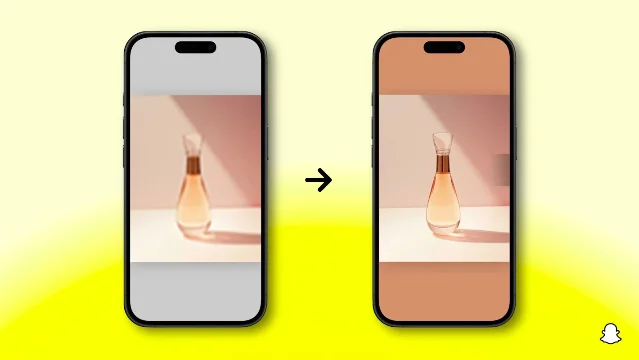
A useful first test is not "turn AI on." Use a narrow brief:
- Pick one product with a clear visual transformation or lifestyle use case.
- Create four Snap-native variants from the same base product image.
- Keep the offer, landing page, budget, and audience constant.
- Compare cost per qualified landing-page visit, add-to-cart rate, and creative approval time.
- Kill any variant where the AI changes the product, exaggerates a claim, or creates a misleading setting.
This is where Snap's Lens history is relevant. Snap said GenAI Lenses have generated nearly 38 billion impressions since Q4 2025. 1 In an earlier announcement, Snap said more than 300 million Snapchatters engage with augmented reality experiences every day, and that Sponsored AI Lenses can give brands access to 25% to 45% more impressions in a single day when placed at the forefront of the Camera. 3 That does not prove every ecommerce product will perform, but it does show Snap has an audience trained to interact with camera-native AI formats.
The harder part: conversation and creator matching
AI Sponsored Snaps are more interesting than standard click-to-site ads because they move product explanation into Chat. Snap first described the format in April, saying Snapchatters sent more than 950 billion chats in Q1 2026 and that more than half a billion Snapchatters had messaged My AI since launch. 4
That makes sense for products where the buyer asks questions before clicking: "Which shade works for my skin tone?" "Which plan should I choose?" "Will this fit my phone?" "Can I use this with sensitive skin?" For those categories, an AI agent inside Chat could reduce friction.
It also raises the review burden. If an AI agent answers questions, the brand needs a written answer policy, escalation rules, and a list of claims it may not make. Beauty, wellness, finance, and products for minors need extra caution. A conversational ad can damage trust faster than a static banner because it feels like advice.
Creator Network has a similar split. Snap says the system will help advertisers describe the creators they want and then streamline recommendations, outreach, and activation. 1 That is useful for brands buried in creator spreadsheets. It does not remove the need to inspect a creator's recent posts, comments, audience fit, disclosure habits, and usage-rights terms.
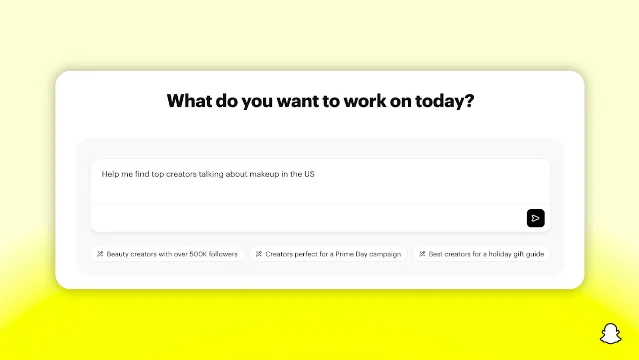
The best use case is a shortlist, not a contract. Let the system reduce the pile. Let a human decide who gets briefed and paid.
Limits to respect before spending
The announcement has real utility, but it also has staged availability. Snap says Creator Network is launching later this year. 1 Its Unified Attribution product, announced in May, is currently in beta and slated to launch later this year. 5 Treat those timelines as planning inputs, not guaranteed tools in your account today.
Four limits matter most:
- Signal quality: Dynamic recommendations need reliable conversion events, product data, and enough activity to learn from.
- Creative truthfulness: Image-to-video and background generation can make a product look better than it is. Keep a human review checklist.
- Conversational risk: AI Sponsored Snaps should not improvise policy, medical, financial, sizing, or guarantee claims.
- Attribution patience: If your team cannot measure incrementality or compare Snap against other paid channels, a new AI interface will not solve the budget question.
A 30-minute pilot for this week
If Snapchat is plausible for your brand, run a small readiness audit before asking for more budget.
First 10 minutes: audience and offer. Confirm that your buyer overlaps with Snap's younger, visual audience. Pick one offer with a clean landing page and a product that can be shown in motion or context.
Next 10 minutes: creative input. Pull three existing assets: one clean product shot, one lifestyle image, and one UGC-style clip if you have it. Write down what the AI must not change: product shape, color, ingredients, claims, price, packaging, and usage context.
Final 10 minutes: measurement guardrails. Decide the smallest test that would teach you something. For most small teams, that means one product, one audience, four creative variants, a fixed budget cap, and a simple comparison against your current Meta or TikTok benchmark.
Try the suite if you already have feed hygiene, pixel discipline, and a product that benefits from vertical creative. Wait if you are still fixing tracking, if your buyer is not on Snapchat, or if your brand cannot review generated assets and AI conversations before they go live.
围绕这条内容继续补充观点或上下文。