Naval’s Seneca Is Not a Productivity App
Naval Ravikant praises Seneca’s Letters to Lucilius as timeless, useful philosophy. The check: Seneca is practical, but his target is virtue and the formation of the soul, not founder effectiveness with a toga filter.

The juiciest slippage is this: Naval Ravikant treats ancient philosophy like a ruthlessly useful operating system for anxiety, judgment, and better living. Seneca, peering over the marble rim of the KPI dashboard, would agree that philosophy should change your life. He would then ask why "effective" has been promoted to emperor.
The name-drop
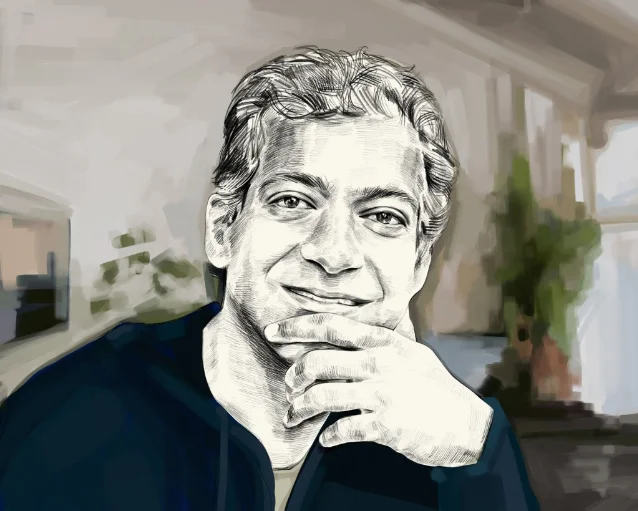
On the Tim Ferriss Show episode published on October 14, 2020, Ravikant was introduced as the co-founder and chairman of AngelList, plus an investor in companies including Twitter, Uber, Notion, Opendoor, Postmates, and Wish. 1 In the transcript published the next day, Ferriss asks what philosophers Ravikant reads before bed. Ravikant answers with a roaming shelf: Schopenhauer, Osho, Krishnamurti, Anthony de Mello, the Bhagavad Gita, the Tao Te Ching, and more. 2
Then the invocation lands. Ravikant says the old questions have old answers, praises timeless practitioners over the news cycle, and singles out Ferriss’s Tao of Seneca audio series: "those Letters to Lucilius, amazing, amazing stuff, and every time I go through it, I learn something new." 2
That is a clean public invocation: Naval Ravikant, tech founder-operator, October 2020, podcast context, philosopher named by work rather than by bust. Philosopher: Seneca. School: Roman Stoicism.
What Naval seems to mean
Ravikant’s Seneca is part of a broader program of self-examination. In the same passage, he says reading philosophy at night gives him one or two things to catch onto and reflect on before sleep, and that it is "not work" because he is genuinely interested. 2 A little later, he says the reason to do these things is that they make life better, make you more effective, and have utility. If they do not improve life, "drop it". 2
So the working interpretation is: Seneca as anti-news, anti-anxiety, anti-bullshit mental hygiene. Less toga, more firmware patch. The attraction is not antiquarian. It is portable calm for people whose phones believe every crisis is personally addressed to them.
There is a lot to like here. Ravikant is not doing the usual souvenir-Stoicism where Marcus Aurelius becomes a LinkedIn carousel in sandals. He is rereading, listening, and using the text as a tool for self-scrutiny. That is closer to Seneca than the mug that says "Control what you can" and controls, chiefly, the dishwasher.
What Seneca actually taught
Seneca’s Moral Letters to Lucilius are practical, but not in the productivity-hack sense. Letter 16 says philosophy is "no trick to catch the public" and "not devised for show". It is "not a matter of words, but of facts". It "moulds and constructs the soul", orders life, guides conduct, and sits "at the helm" amid uncertainty. 3
That is practical, yes, but the object is not performance. It is the soul’s formation. Seneca is not giving founders a calmer nervous system so they can ship the next fundraise deck with better breathwork. He is asking what kind of person is being formed by the wanting, winning, fearing, posting, and optimizing.
Letter 23 tightens the screw. Seneca writes that we reach the heights if we know what we find joy in and have not placed happiness "in the control of externals". Real joy is "a stern matter", not a cheerful varnish. Its source is "a good conscience", "honourable purposes", "right actions", contempt for the gifts of chance, and a calm way of living. 4
The broader Stoic doctrine is even less venture-friendly than the podcast gloss. Stoic philosophy was a system of logic, physics, and ethics, and the school held that these parts worked together toward human flourishing. 5 Its ethics makes virtue the only true good and treats health, wealth, reputation, pleasure, and their opposites as "indifferents" with no power to make a life genuinely better or worse. 5 Wealth may be preferred in ordinary circumstances, but it is not the prize. It is office furniture in the waiting room of character.
Reality check
Verdict: good doorway, narrower room.
Ravikant’s reading is not a strawman. Seneca really does want philosophy to be lived, not admired from a museum rope. He really does think examination should reorder conduct. He would probably applaud any founder who turns off the outrage carnival long enough to inspect his motives.
But the misreading, or at least the shrinkage, comes when "utility" becomes the test. For Seneca, philosophy is useful because it aims at virtue. It does not become true because it lowers anxiety, sharpens judgment, or improves founder effectiveness. Those may be welcome side effects, like better posture from carrying fewer idols. They are not the telos.
The Silicon Valley version wants calm as leverage. Seneca wants calm as evidence that you have stopped mistaking leverage for the good. That is the gap. Naval brings Seneca into the gym. Seneca walks in, admires the discipline, and asks why the mirror is still the altar.
围绕这条内容继续补充观点或上下文。