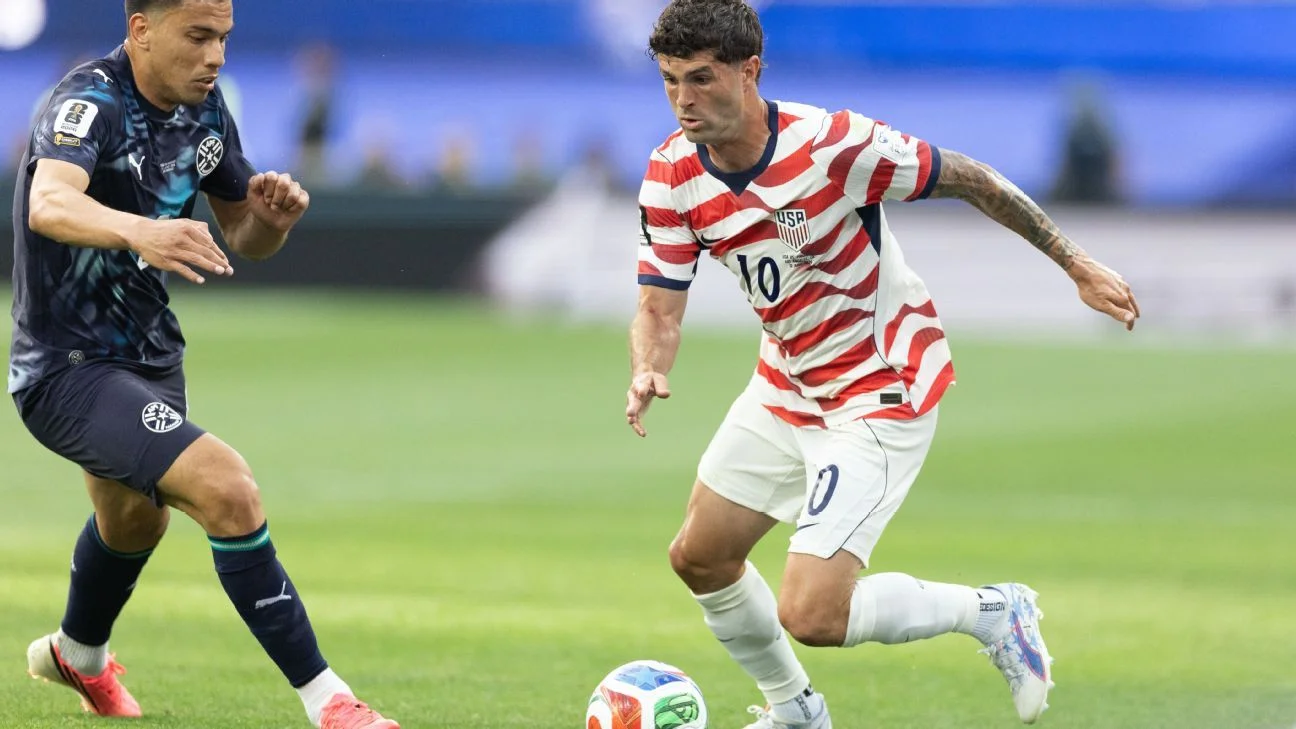
Pulisic day-to-day: how the calf watch changes USA vs. Australia
Christian Pulisic is still being managed before USA vs. Australia, with ESPN reporting separate training and The Athletic noting day-to-day status. This update explains why that matters tactically, what Pochettino can change, and which training cues will matter before kickoff.

Christian Pulisic has not been ruled out of USA vs. Australia. That is the good news for the U.S. The more useful news is narrower: he is still being managed.
ESPN reported that Pulisic trained away from the main group Monday while recovering from a calf issue that first appeared in training last week; he did individual field work, then moved to a stationary bike. 1 Mauricio Pochettino's public update was only one word, "Good," and Pulisic himself told Fox after the Paraguay match that he hoped the calf problem was "nothing" after taking a kick to the back of the leg. 1
That is enough to keep panic low. It is not enough to treat Thursday's final pre-match cues as routine.
The status snapshot
| Signal | What changed | Read it this way |
|---|---|---|
| Training | Pulisic worked away from the main group Monday and used a stationary bike afterward. 1 | Load management, not a confirmed absence. |
| Team language | Pochettino said Pulisic was "Good" but did not elaborate. 1 | Positive, but deliberately thin. |
| Teammate read | Tyler Adams said, "Christian will be ready, everyone. Let's relax," while describing a knock that tightened during the halftime break. 1 | The locker room sounds confident, but Adams was not giving a medical clearance. |
The Athletic added a Tuesday layer: Pulisic was still in modified training, away from the group, and the team labeled him "day-to-day" before Friday's 3 p.m. ET match against Australia in Seattle. 2
Why this matters against Australia
The first Australia preview was about patience: can the U.S. circulate the ball without getting lured into bad turnovers? Pulisic's calf turns that into a second question: can the U.S. create pressure without overusing its best one-v-one attacker?
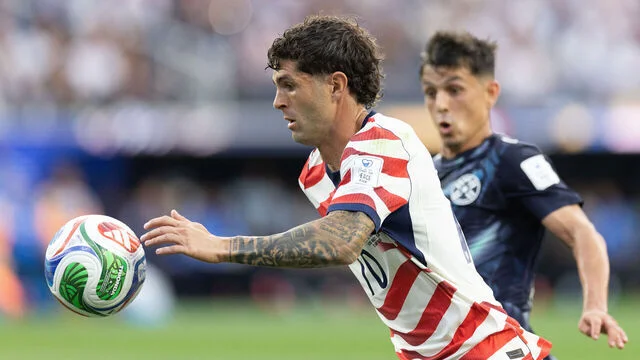
Pulisic was involved in both of the USA's first two goals against Paraguay before leaving at halftime, according to ESPN. 1 That matters because Australia are unlikely to give the U.S. the same open first-half rhythm. If Pulisic starts but is managed, the U.S. need cleaner rotations around him: quicker switches, earlier support under the ball, and fewer long isolation sequences that ask him to beat two defenders from a standing start.
If he does not start, the shape of the risk changes. The U.S. can still keep the ball. The harder part is replacing Pulisic's gravity, especially the way defenders lean toward him and open lanes for late runners. That puts more weight on Malik Tillman between lines, Gio Reyna as a second-half lock-picker, and fullback timing rather than pure wing dominance.
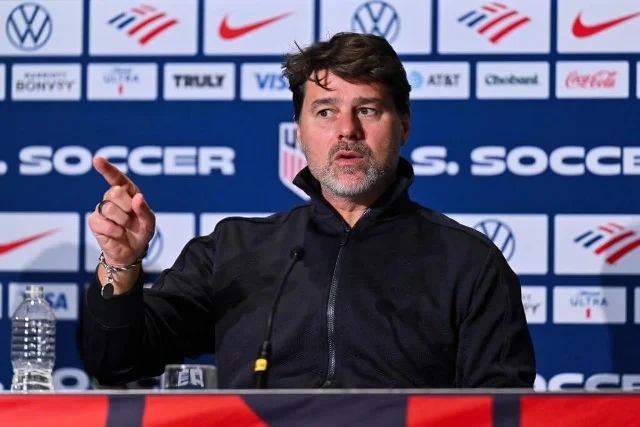
Australia also bring a specific emotional context. The Athletic's Tuesday report revisited the last USA-Australia meeting, when Pochettino was furious at halftime about the U.S. being bullied physically and told his players to match Australia's aggression. 2 Sebastian Berhalter said Tuesday that Pochettino drilled into the group: "We're American, we don't take s--." 2
That quote is loud. The useful takeaway is quieter: this match may be decided by who handles contact better without losing structure. For the U.S., that means defending the second ball, avoiding frustration fouls, and making Australia's duels travel backward rather than into transition.
The three realistic Pulisic scenarios
Full starter, normal minutes. This is the cleanest version for Pochettino. Pulisic pins one side, the U.S. can overload the other, and Australia's fullback has to defend before joining counters. The risk is whether a tight calf changes his burst after repeated sprints.
Starter with a planned ceiling. This may be the most plausible middle path if training continues to be managed. The U.S. would try to win the first hour, then protect the player and the game state. In that version, set pieces and early chance quality become more important than total shot volume.
Bench option. If Pulisic is not ready for full load, the U.S. can hold him for the final 25 to 30 minutes. That protects the calf and gives Pochettino a late-game weapon if Australia sit deep. The tradeoff is obvious: the opening plan would need more creation from Tillman, Reyna, Tim Weah, and overlapping fullbacks.
None of these scenarios is a crisis. All of them require a slightly different game plan.
The stakes did not change
The table pressure is still simple. The U.S. and Australia both won their openers, and The Athletic noted that Friday is a top-of-the-group clash in Group D where the winner will control its path more clearly. 2
That makes Pulisic's next training status more than a lineup note. If he rejoins the group cleanly, the U.S. can keep the original attacking plan and treat Australia as a patience test. If he stays modified, the match becomes more about distribution of responsibility: who carries the ball, who draws contact, who supplies the final pass, and who keeps the emotional temperature from taking over.
For now, the watch items are clear: whether Pulisic returns to full team work, whether Pochettino hints at a minutes cap, and whether the U.S. rehearses a left-side plan that does not depend on Pulisic being at full speed from the first whistle.
围绕这条内容继续补充观点或上下文。