Oil Extends Gains as Iran Talks Collapse; Gold Slips on Rate-Hike Threat
Brent +0.8% to $96.81 and WTI +1.0% to $94.67 after Iran suspended talks and launched overnight missile strikes on Bahrain and Kuwait. Gold fell 0.3–0.8% to ~$4,471–4,499 as the oil surge fired rate-hike expectations (Cleveland Fed's Hammack: hike may be needed 'in the near future'). LME copper eased 0.43% to $13,980/t on profit-taking; iron ore slid 1.22% to $103.95/t on steel-margin pressure and seasonal weakness. Corn and soybeans fell on favorable U.S. crop weather. ADP payrolls and ISM Services PMI due today; NFP Friday; OPEC+ June 7.

Commodities Daily Move — Wednesday, June 3, 2026
Iran suspended diplomatic talks with Washington and its missiles hit targets in Bahrain and Kuwait overnight — all thwarted, according to the U.S. military, but enough to keep oil's risk premium alive. Brent and WTI each climbed about 1% at the Asian open. Gold, which had rallied the previous session, gave back those gains: the same oil surge that signals supply risk also signals inflation, and a Federal Reserve rate hike has become the market's baseline. Everything else took its cue from those two forces.
Price snapshot
| Commodity | Price | Change | Change % |
|---|---|---|---|
| Gold (spot) | ~$4,471–$4,499/oz | −$30 to −$64 | −0.3% to −0.8% |
| WTI crude | ~$94.67/bbl | +$0.91 | +1.0% |
| Brent crude | ~$96.81/bbl | +$0.81 | +0.8% |
| LME Copper (3M) | $13,980/t | −$60 | −0.43% |
| SGX Iron ore (Jul) | $103.95/t | −$1.28 | −1.22% |
| CBOT Corn (Jul) | 441.5¢/bu | −2.75¢ | −0.62% |
| CBOT Soybeans (Jul) | ~1176¢/bu | −4.75¢ | −0.40% |
Oil: geopolitics back in the driver's seat
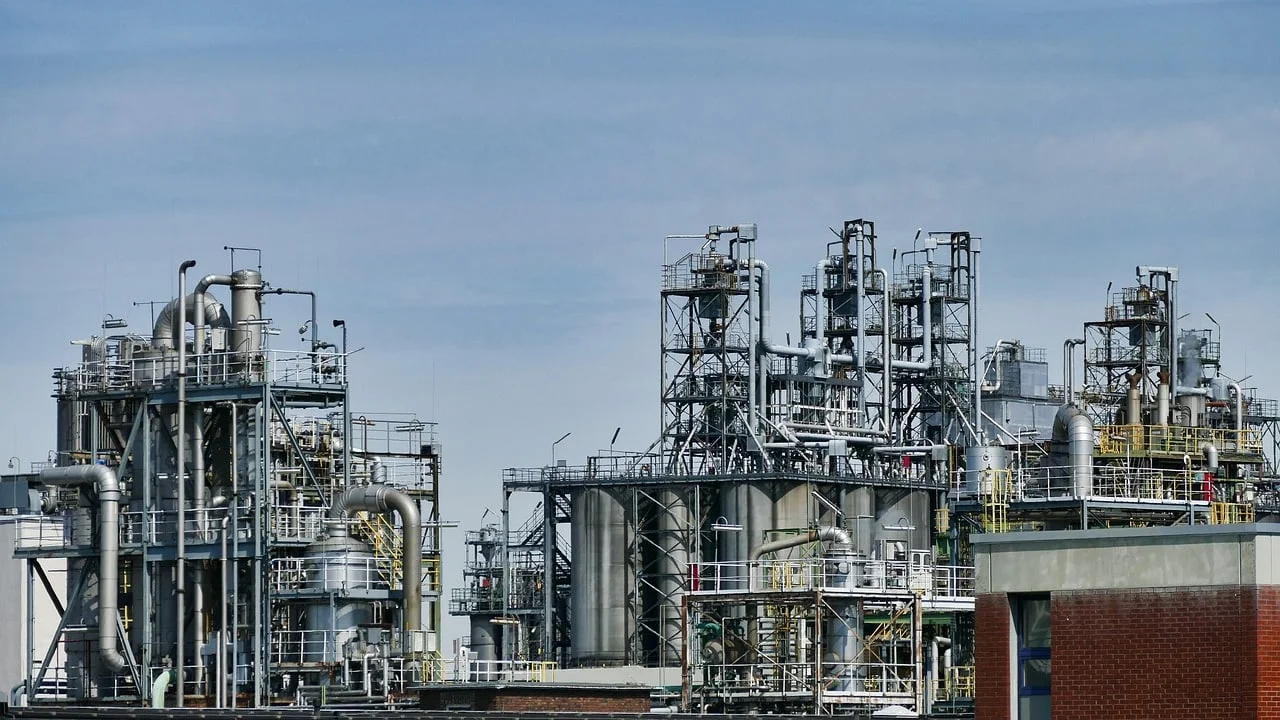
Brent futures rose to $96.81/barrel and WTI to $94.67 at the Asian open as the Iran situation deteriorated again.2 Iran launched missile strikes on Bahrain, Kuwait, and other Gulf targets overnight — all were either intercepted or failed, the Pentagon said — but the fact that they happened at all signals the ceasefire is fraying. U.S. Secretary of State Marco Rubio clarified Tuesday that the Trump negotiating team has not offered Iran sanctions relief in exchange for reopening the Strait of Hormuz; any relief is conditioned on Tehran's nuclear program.3 Trump separately said a Hormuz MoU could be reached "within a week," which capped the upside briefly but traders are reading that as optimism, not signal.
A second supply pressure is less discussed but adds up: Russia banned jet fuel exports through November 2026 after Ukrainian drone strikes on refinery infrastructure — the first such ban in Russian history.1 Aviation fuel costs are now being pushed up from two directions simultaneously. OPEC+ meets June 7, and markets are watching whether any member uses the meeting to push for a production cap — the group stayed quiet last meeting amid the Iran disruption narrative.
Equities most exposed: Upstream producers benefit: CVX (Chevron), XOM (ExxonMobil), COP (ConocoPhillips), OXY (Occidental Petroleum). Airlines take the pain: AAL (American Airlines), UAL (United Airlines), DAL (Delta Air Lines). European refiner TTE (TotalEnergies) sits in an awkward middle position — margins compressed by jet-fuel costs, but upstream output gains.
Gold: the inflation override
Gold eased to approximately $4,471–4,499/oz, retreating from Tuesday's 1%+ gain.4 August gold futures fell 0.5% to around $4,499. Silver dropped 0.4% to $74.82/oz; platinum fell 0.5% to $1,927; palladium was flat at $1,370.
The driver is the oil-rate-hike loop: crude up → inflation expectations up → Fed hike probability up → gold (which pays nothing) down. Cleveland Fed President Beth Hammack said Tuesday that the central bank may need to raise rates "in the near future" if inflation pressures keep building.5 Markets are currently pricing in about 18 basis points of Fed rate increases for 2026 — a complete reversal from the three cuts that were expected before the Iran war began.
Gold's structural bid hasn't gone away. The ECB confirmed this week that gold has now overtaken U.S. Treasuries as the top global reserve asset.6 But tactical pressure from the rate-hike narrative is dominating shorter timeframes. The $4,400–4,600 range has held for weeks; the next decisive break will most likely come from an Iran headline rather than U.S. data.
Equities most exposed: Goldminers trade down when spot falls: NEM (Newmont), GOLD (Barrick), AEM (Agnico Eagle). Silver miners SVM (Silvercorp) and PAAS (Pan American Silver) follow silver's softer move. Royalty companies WPM (Wheaton Precious Metals) and RGLD (Royal Gold) provide smoother exposure to the complex.
Copper: pausing after a two-week sprint
LME three-month copper fell 0.43% to $13,980.50/t on Wednesday — a profit-taking pause after Tuesday's push above $14,000 for the first time in two weeks.7 The Shanghai Futures Exchange's most active contract was up 0.78% to 106,820 yuan/t, a divergence that reflects tariff-driven metal flow into the U.S.: the COMEX premium over LME copper sits at roughly $500/t, pulling material westward and tightening the London market.
The tariff clock is ticking. The U.S. Commerce Department is due to update Trump by June 30 on the domestic copper market, including refined copper capacity. Traders say last year's tariff scare — which never materialized — still pushed prices higher, and this year's has a harder deadline. The LME cash-to-three-month discount tightened sharply (to $4/t on June 3 from $77/t on May 19), and cancelled warrants are rising, meaning more metal is queuing for physical delivery. A stronger-than-expected April JOLTS reading (5-year high in job openings) added a headwind by lifting the dollar and capping rate-cut expectations.
正在加载内容卡片…
Equities most exposed: SCCO (Southern Copper), FCX (Freeport-McMoRan), FM.TO (First Quantum Minerals). LME aluminium was down 0.05% to ~$3,760/t — still near four-year highs. AA (Alcoa) and CENX (Century Aluminum) carry the aluminium exposure.
Iron ore: steel margins are the story
SGX benchmark July iron ore fell 1.22% to $103.95/t, the lowest close since April 15.8 DCE's most-active contract fell 0.57% to 780 yuan/t. The China Iron & Steel Association issued a WeChat post late Tuesday describing the steel market as entering its "traditionally low demand season earlier than usual" — rain and high temperatures limit construction activity. Coking coal prices have risen 16% since a mine accident killed miners in late May, squeezing steelmakers' already paper-thin margins and reducing their appetite for iron ore feedstock. CMRG, China's state iron ore buyer, told some domestic mills to avoid negotiating with Fortescue over a new lower-grade product (Fortune Fines), though traders say the ban's market impact is small since the product hasn't been commercially launched yet.
Equities most exposed: FMG.AX (Fortescue), RIO (Rio Tinto), BHP (BHP Group), VALE (Vale — Brazil analysts unanimously flagged it as their top pick for June with Santander projecting iron ore above $100/t for all of 2026). Chinese steel: X (U.S. Steel), MT (ArcelorMittal).
Grains: weather wins over geopolitics

CBOT corn fell 0.62% to 441.5¢/bushel and soybeans dropped 0.40% to ~1176¢/bushel as favorable U.S. growing-season weather dampened the threat premium that had built up during the Iran war.9 The USDA's latest crop condition report shows 67% of corn rated good-to-excellent — down marginally from 69% a year ago, but not alarming. Wheat fell 1.03% to 602.5¢/bushel. South American harvests are projecting a surplus. The biofuel link to oil keeps grains from falling as far as pure supply/demand would suggest — elevated crude can revive ethanol demand at the margin — but the correlation has been weak this week with oil still in the $94–97 range rather than pushing $100+.
Equities most exposed: ADM (Archer-Daniels-Midland), BG (Bunge) carry grain-processing and export exposure. CTVA (Corteva) and MOS (Mosaic) track planting demand.
What's on deck
- ADP private payrolls (May) and ISM Services PMI (May) due Wednesday (ADP forecast ~85k; ISM forecast ~53.7) — both land before the U.S. market open and will shape the dollar and rate path.
- NFP Friday, June 5 — the week's main event.
- OPEC+ June 7 — first formal meeting since Iran disruptions began. Any output guidance matters for the $94–97 WTI range.
- June 17 — first Fed meeting under Governor Warsh; the "near future" rate hike language from Hammack will be tested against payroll data.
- June 30 — U.S. Commerce copper tariff decision deadline.
The single variable controlling almost every commodity on this list remains the same one it's been for weeks: how close Tehran and Washington actually are to a signed deal. Tuesday's missile launches suggest the gap widened overnight.
231456789参考来源
- 1Univest — Crude Oil Price Today
- 2Reuters — Oil extends gains as Middle East hostilities flare and talks stall
- 3Energy News — Oil on Middle East conflict while AI bulls drive stocks higher
- 4Energy News — The price of gold eases due to Middle East tensions
- 5Energy News — Gold remains stable amid Middle East tensions
- 6Texas Precious Metals — Silver Leads Gains on Iran Risk Jun 2, 2026
- 7Energy News — Copper falls from two-week highs as investors pause following rally
- 8Energy News — Iron ore prices fall due to a weak steel market and dwindling margins
- 9ZAWYA — Chicago grain futures drop
围绕这条内容继续补充观点或上下文。