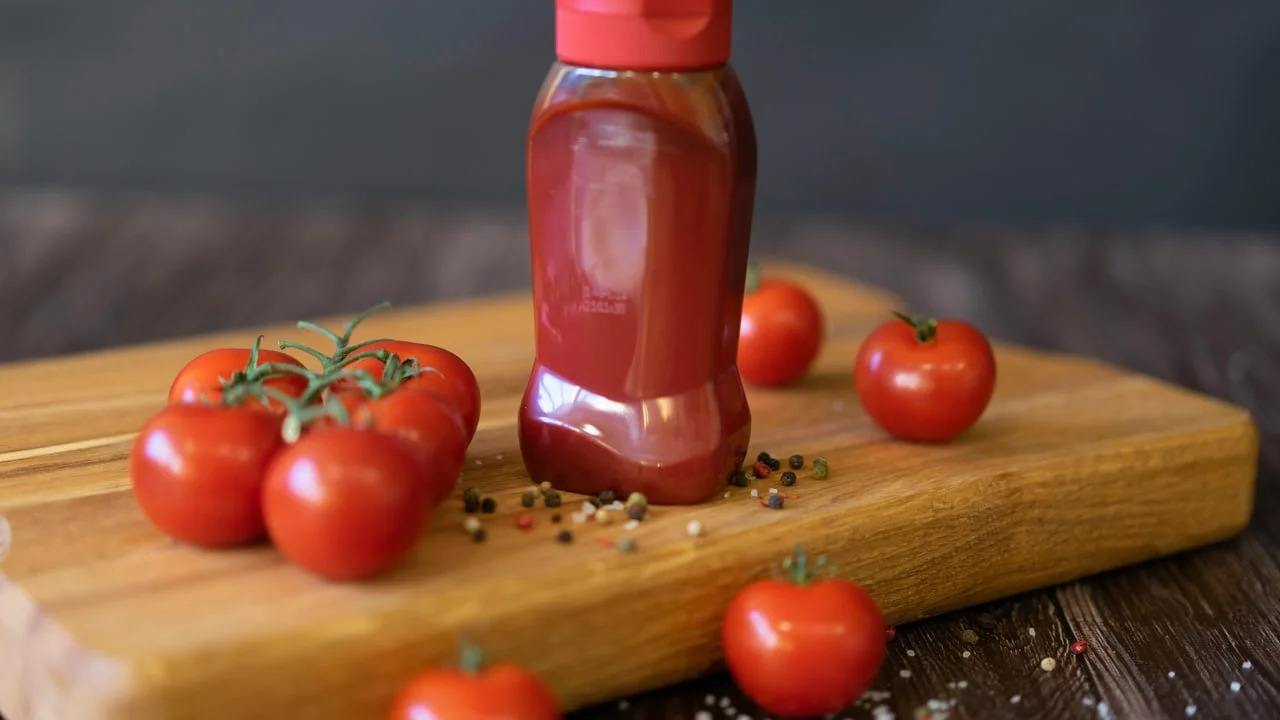
Heinz: The Brand That Went Bankrupt, Chose Glass, and Wrote a Law
In 1875, Henry Heinz went bankrupt selling horseradish. When he rebuilt, the first decision he made was to use clear glass bottles instead of brown ones — so consumers could see what they were buying. That single choice set the logic for everything that followed: lobbying for the Pure Food and Drug Act of 1906 to force competitors to match his standards, coining the '57 Varieties' slogan when the company actually made more than 60, and building a Pittsburgh headquarters with a rooftop garden and lunchtime pipe organ concerts. 140 years later, Berkshire Hathaway and 3G Capital paid $23 billion for the company and immediately began cutting costs. In 2019, they took a $15.4 billion writedown and discovered that the brand they had bought required investment to maintain — and that they had not maintained it.

The horseradish logic
Bankruptcy, rebuilding, and ketchup
The number that was never true
The legislative play
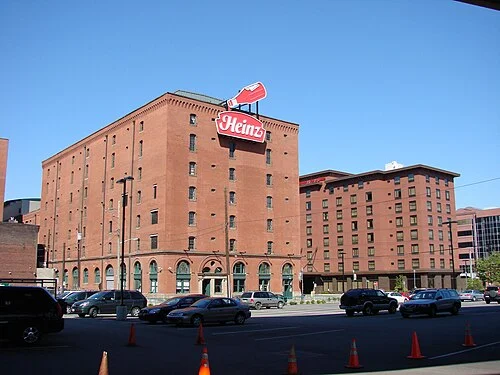
Three generations, one family
Tony O'Reilly and the limits of the model
$23 billion and zero-based budgeting
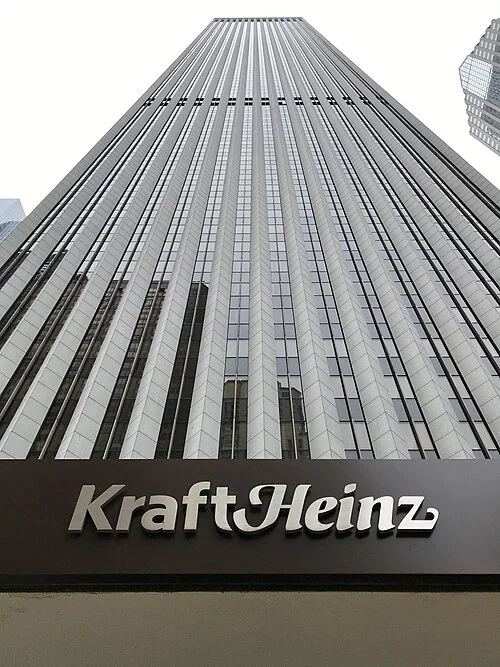
What cost-cutting cannot rebuild
Where it stands now
参考来源
- 1Heinz Company history, FundingUniverse
- 2Brand Man: The HJ Heinz Story, American Business History Center
- 3Henry J. Heinz, Wikipedia
- 4Iconic Packaging: Heinz Ketchup Bottle, The Packaging Company
- 5The 57 Varieties slogan origin, Smithsonian Magazine
- 6Heinz: Mottoes and 57 Varieties, Heinz History Center
- 7Heinz Wikipedia
- 8Berkshire Hathaway and 3G Capital Complete Acquisition of HJ Heinz, Kraft Heinz press release
- 9Kraft and Heinz Merge to Become World's 5th-Largest Food Company, Time
- 10Kraft Heinz Wikipedia
- 11How Kraft Heinz Reveals the Limits of 3G's Strategy, Robert H. Smith School of Business
围绕这条内容继续补充观点或上下文。