AI Sector Daily Digest — June 4, 2026
Today's five: SpaceX files the largest IPO in history targeting $75B; DeepSeek finalizes its maiden $7.4B round at up to $59B valuation; Meta opens a global enterprise AI agent for businesses; OpenAI publicly breaks with the White House on how advanced models should be evaluated; and Coralogix raises $200M to build observability infrastructure for the AI-agent era.

Today's five: SpaceX files the largest IPO in history targeting $75B; DeepSeek sets terms for its first-ever $7.4B funding round; Meta launches a global enterprise AI agent for businesses of all sizes; OpenAI publicly breaks with the White House on how advanced AI should be evaluated; and Coralogix raises $200M to build observability infrastructure for the AI-agent era.
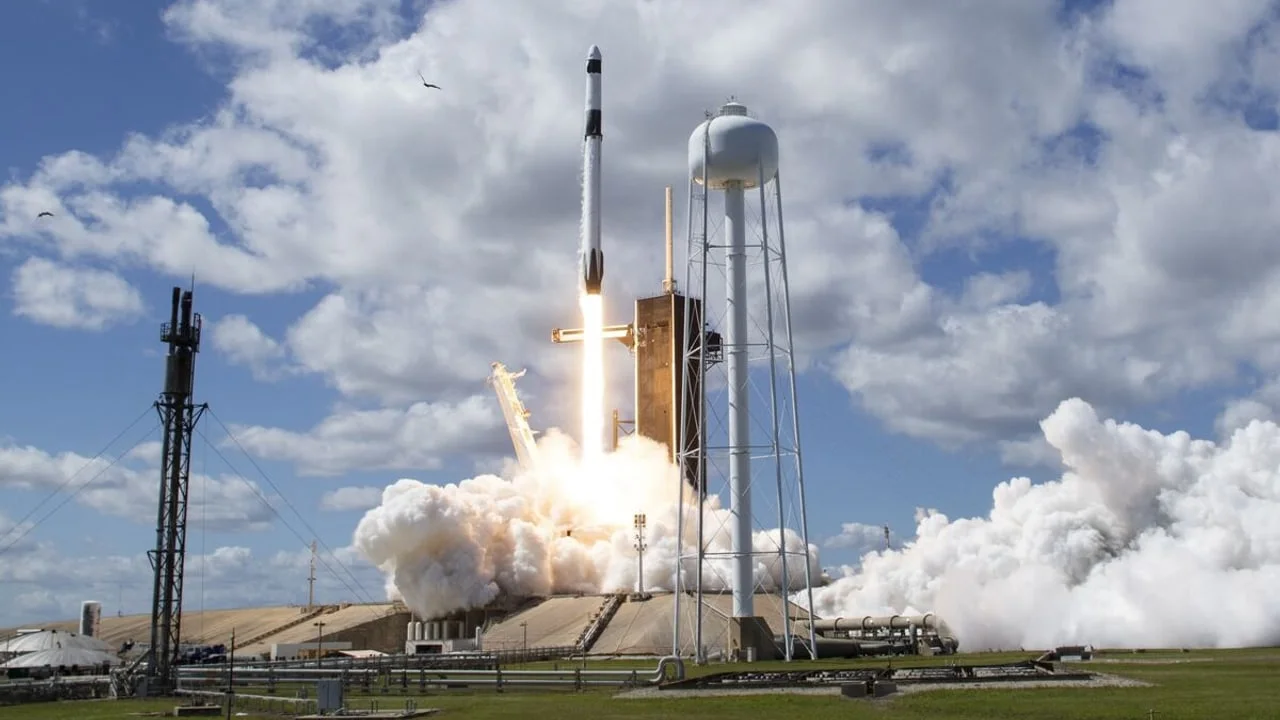
1. SpaceX files to raise $75B in the largest IPO ever
SpaceX filed an S-1 with the SEC on June 3, targeting $75 billion at $135 per share — which would give Elon Musk's rocket and satellite company a market cap of roughly $1.77 trillion, surpassing Saudi Aramco's 2019 debut as the largest IPO ever recorded.1 The offering covers roughly 555 million shares, and proceeds are designated for AI and launch operations.2
The listing positions SpaceX alongside Anthropic and OpenAI in what Reuters is calling the most consequential public-market pipeline in U.S. history. Anthropic filed a confidential S-1 on June 1; OpenAI is widely expected to follow later this year.3
正在加载内容卡片…
2. DeepSeek sets terms on $7.4B maiden round, valuation up to $59B
DeepSeek is finalizing its first external fundraise at roughly 50 billion yuan ($7.4B), according to Reuters, with a post-money valuation between $52B and $59B. Founder Liang Wenfeng is committing 20 billion yuan of personal capital; Tencent is expected to invest 10 billion yuan, CATL 5 billion yuan. The remaining investors include China's national AI fund, NetEase, JD.com, IDG Capital, and Monolith Management — fewer than ten total.4 The round is expected to close within weeks, though terms remain subject to change.
The deal would mark the largest first-time fundraise by a Chinese AI startup. DeepSeek's R1 model drew global attention earlier this year by matching leading U.S. frontier models at a fraction of the reported training cost.
正在加载内容卡片…
3. Meta opens enterprise AI agent to businesses worldwide
Meta on June 3 launched its Business Agent globally — a step beyond legacy rule-based chatbots into autonomous action. The agent can book appointments, close sales leads, process payments, and answer customer queries in a brand-specific voice; it escalates to human staff when needed.5 Prior chatbot versions of the product are already used by over one million businesses on WhatsApp and Messenger; the new version extends to Instagram.
Access is initially free. Paid tiers are planned for later this year. Meta also released a Business Agent Platform alongside the agent: it connects to hundreds of third-party systems — Shopify, Zendesk, Shopee — and gives enterprises guardrails and measurement tools for custom agent deployments outside Meta's own apps.
The launch brings Meta directly into competition with Salesforce, ServiceNow, and Microsoft Copilot in the enterprise automation market.
4. OpenAI pushes mandatory civilian-led AI evals, diverges from White House
In a policy paper released June 3, OpenAI called for mandatory evaluations of advanced AI models for potential risks — but argued oversight should sit with CAISI, the Commerce Department's National Institute of Standards and Technology office, not the NSA as Trump's June 2 executive order stipulates.6
OpenAI's chief policy executive Chris Lehane confirmed the divergence in remarks to reporters, noting that CAISI already has established information-sharing relationships with OpenAI, Anthropic, and other top labs, while the NSA currently has none. He also flagged concern with the White House provision to keep AI capability thresholds classified, saying companies need to know when new models will come under scrutiny. CEO Sam Altman made rounds in Washington the same day to press the case with lawmakers and White House officials.
OpenAI stopped short of advocating pre-release government approval — Lehane said that discussion is premature until an evaluation framework is in place — but did call for mandatory evals across all frontier labs rather than voluntary participation.
正在加载内容卡片…
5. Coralogix raises $200M at $1.6B to watch the AI agents
Coralogix, an AI-native observability platform, closed a $200M Series F on June 3 at a $1.6B post-money valuation, led by Advent, CPPIB, and Greenfield.7 Total funding raised stands at $550M. The company's platform unifies logs, metrics, traces, security events, and AI observability in a single architecture, and already supports MCP and CLI interfaces for agentic workflows — letting both human engineers and AI systems monitor and triage production incidents in real time.8
The raise is a direct bet that as enterprises deploy autonomous agents, the infrastructure for monitoring them becomes mission-critical. Funding will go toward the telemetry data lake architecture, AI product development, and global expansion.
参考来源
- 1Bloomberg: SpaceX Seeks $75 Billion in Record IPO
- 2The Guardian: SpaceX targets biggest ever stock market debut
- 3Reuters: When IPOs go wrong — SpaceX, AI firms face a delicate process
- 4Reuters: DeepSeek slated to raise $7 billion in maiden funding round
- 5Reuters: Meta enters enterprise AI race with new business agent
- 6Politico: OpenAI diverges from White House on AI safety rules
- 7SecurityWeek: Coralogix Raises $200M at $1.6B Valuation
- 8Globe Newswire: Coralogix Raises $200M to Scale the Observability Backbone
围绕这条内容继续补充观点或上下文。