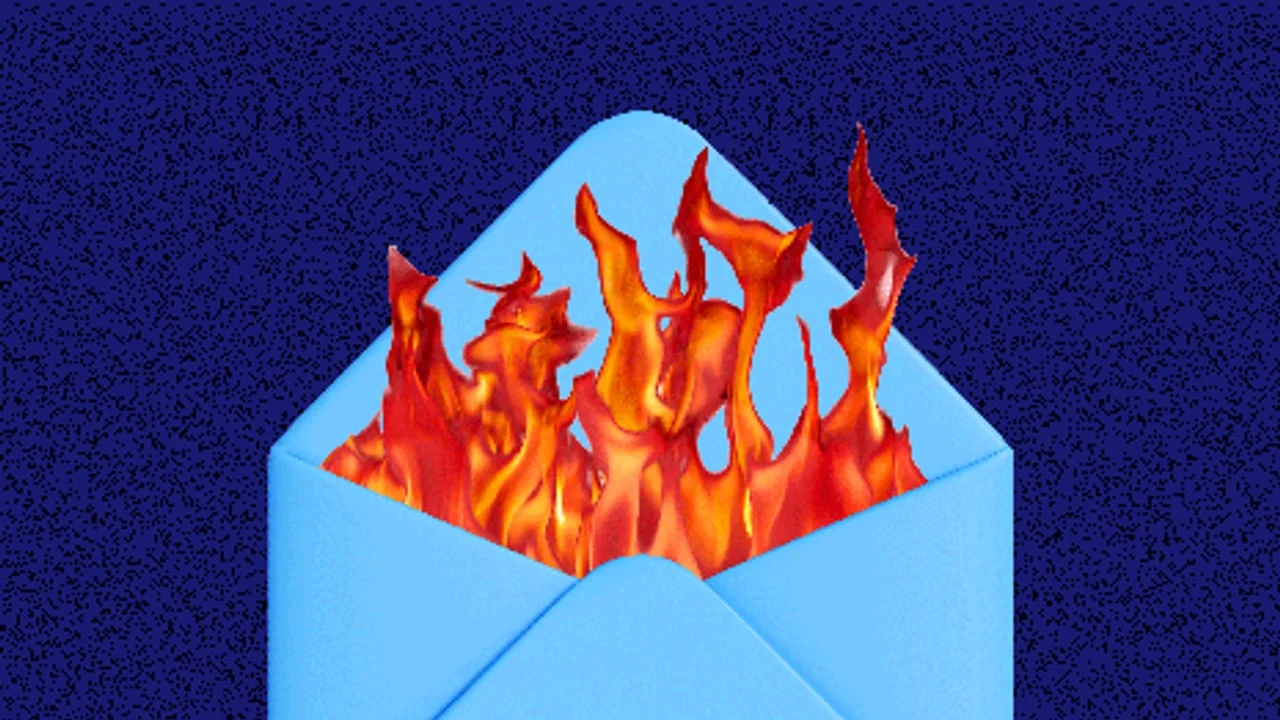
「Per my last email」:一封粗鲁的工作邮件,究竟能伤人多深?
每三个职场人里就有一人每天收到至少一封粗鲁邮件。心理学家发现,一封措辞欠妥的邮件不只影响情绪——它能让你在数学测试中表现失常,让你帮助陌生人的意愿下降,甚至影响到你伴侣下一周的工作状态。本期精选《卫报》最新报道,附完整英文原文、中英对照译文、10 个核心词汇及两段长难句语法拆解。
原文标题:'Per my last email': how email incivility can affect us at work 来源:The Guardian · Well actually 专栏 · 2026 年 5 月 21 日 作者:Clarissa Brincat(健康与科学记者) 难度:六级 / 考研 / 雅思 ★★★☆☆
导读
你有没有收到过这样一封邮件——语气冷淡,措辞尖锐,读完之后心里像压了块石头?这种感受不只是你「玻璃心」,有真实的研究数据支撑:每三个职场人中,就有一个每天至少收到一封粗鲁邮件。
近年来,研究人员开始系统研究「邮件不文明」(email incivility)现象,结果令人意外:一封措辞欠妥的邮件,不仅会让你焦虑失眠,还会让你在数学测试中表现失常,甚至减少你帮助陌生人的意愿。更奇怪的是,它的伤害会「传染」——波及你的伴侣,影响下一周他们的工作状态。
本期精选《卫报》2026 年 5 月的最新报道,带你从心理学与行为科学的视角,读懂这个职场中被长期低估的隐患。
1正在加载内容卡片…
原文与参考译文
Part 1
Received a rude email at work? You're not alone.When I was weighing a move from full-time to freelance work, a terse email from a colleague – demanding I redo a task from scratch over a technicality – settled the matter instantly. I quit on the spot. Around the same time, thousands of US government workers received an email requiring them to justify their employment "with approx 5 bullets of what you accomplished this week" – or resign.None of this, it turns out, was particularly unusual. Research from 2015 shows a third of employees receive at least one rude email per day, and email has become even more central to work since then. Although it might seem like a minor irritant, the consequences of email incivility can be far-reaching.
【参考译文】
收到过粗鲁的工作邮件吗?你并不孤单。
作者本人正在考虑从全职转向自由职业时,收到了一封措辞简短的同事邮件——对方要求她因为一个技术性问题把某项任务从头重做。这一封邮件,让她当场辞了职。几乎同一时期,数千名美国政府雇员收到邮件,被要求用「约五条工作成果」证明自己的岗位价值,否则自行辞职。
事后来看,这些并非个案。2015 年的研究显示,三分之一的职场人每天至少收到一封粗鲁邮件,而此后邮件在工作中的地位只增不减。尽管看似只是小小的不快,邮件不文明的后果可能深远得多。
Part 2
"All forms of incivility create emotional wear and tear," says Sandra Robinson, a professor of organisational behaviour and human resources at the University of British Columbia's Sauder School of Business – and email incivility, or rudeness through email communication, is no exception.A recent study of more than 1,000 employees found that rude emails trigger work rumination – that very specific misery of replaying an exchange in your head – which makes it harder to switch off after work and is linked to higher rates of anxiety and depression.And unlike a rude verbal comment, a rude email can be reread repeatedly, which compounds the psychological harm well beyond the initial moment, says Zhenyu Yuan, an assistant professor of managerial studies at the University of Illinois Chicago.There's a physical toll as well. Gary Giumetti, a professor of psychology at Quinnipiac University, points to research linking email incivility to headaches, stomach aches, fatigue and increased heart rate reactivity, which is linked to a higher risk of heart problems.
【参考译文】
「所有形式的不文明行为都会造成情绪损耗,」英属哥伦比亚大学尚德商学院组织行为与人力资源教授桑德拉·罗宾逊(Sandra Robinson)说,邮件不文明也不例外。
一项涵盖千余名员工的最新研究发现,粗鲁邮件会触发「工作反刍」(work rumination)——那种在脑子里反复回放某次交流的特定痛苦——不仅让你下班后难以真正放松,还与更高的焦虑和抑郁发生率相关。
伊利诺伊大学芝加哥分校管理学助理教授元振宇(Zhenyu Yuan)指出:与口头上的粗鲁不同,一封措辞不当的邮件可以被反复翻看,心理伤害远不止于第一次读到那一刻。
身体也会受到影响。昆尼皮亚克大学心理学教授加里·久梅蒂(Gary Giumetti)援引研究指出,邮件不文明与头痛、胃痛、疲劳以及心率反应增强(后者与心脏病风险上升相关)密切相关。
Part 3
Another study found that passive email rudeness, such as being ignored or left without a reply, is linked to insomnia. The uncertainty of not knowing whether a slight was intentional keeps people checking their inboxes long after they should have switched off.Giumetti's research on email incivility has found that hostile emails predict more absenteeism and higher intentions to quit. In Giumetti's lab experiments, people who received rude messages fared worse on math tasks, reported lower energy and, in a staged "pen‑spill test", picked up fewer pens for a stranger than those who'd received neutral messages. Rude emails, it turns out, make you less likely to help anyone, not just the person who was rude to you.Giumetti's latest work also links email incivility to eroded trust between workers and team leaders and, further down the line, to outright deviant behaviour at work, such as theft.
【参考译文】
另一项研究发现,「被动式」邮件粗鲁——比如被无视或长久得不到回复——与失眠相关。你不确定对方是否故意,这种不安会让你在本该关掉手机的时候,仍不停刷新收件箱。
久梅蒂的研究还发现,带有敌意的邮件能预测更高的旷工率和离职意向。在实验室模拟实验中,收到粗鲁邮件的人,数学测试得分更低,自述精力更差;在一个模拟「钢笔掉落」的实验中,他们帮陌生人捡笔的次数也少于收到中性邮件的人。粗鲁邮件让你不愿意帮助任何人,不只是那个对你粗鲁的人。
久梅蒂最新的研究还表明,邮件不文明会侵蚀员工与团队领导之间的信任,并在此基础上滋生更严重的越轨行为,比如偷窃。
Part 4
The effects of email incivility at work "can also spill over into home life", says Verena Haun, a professor of work and organisational psychology at the University of Würzburg. In a study of dual-earner couples, Haun found that when one partner experienced more rude emails in a given week, the stress carried over into the weekend and affected their partner, who in turn also showed more withdrawal from work in the following week.Sometimes it has to do with the work environment. High-pressure industries, excessive workloads, internal competition, poor supervision: all of it makes rude emails more likely, says Giumetti. In one 2009 study, 91% of workers in the banking and financial service industry in Singapore reported supervisor incivility over email.
【参考译文】
「邮件不文明的影响可以蔓延到家庭生活,」德国维尔茨堡大学工作与组织心理学教授薇莱娜·浩恩(Verena Haun)说。她对双职工夫妻进行的研究发现:某一周里,一方遭遇的粗鲁邮件越多,压力就会延续到周末,并影响到伴侣——后者在随后一周里也会表现出更强的工作回避倾向。
有时,这与工作环境有关。高压行业、过重工作量、内部竞争以及监管缺位,都会使粗鲁邮件更容易出现,久梅蒂说。2009 年的一项研究显示,新加坡银行与金融服务业中,91% 的员工报告曾遭遇上司通过邮件表现出的不文明行为。
Part 5
Personal factors also play a role. People high in neuroticism and low in agreeableness are not only more likely to send rude messages, they're also more likely to interpret other people's emails as rude, even when the intent is ambiguous, says Giumetti.But the medium itself deserves some of the blame. Email "creates psychological distance", says Haun. That distance makes it easy to forget there's a person with feelings on the other end. Robinson likens this to drivers being ruder with each other on the road than they would be in, say, a grocery store, where they are face to face.Not every rude email is actually meant that way. Emails lack facial expressions, body language and tone of voice – any signs that, in person, would tell you your colleague is just tired, not furious with you. A message accidentally written in all caps may come across as shouting, says Yuan. Other things that can come across as unintentionally rude include one-word replies ("Fine." "Done." "OK."), jumping straight to demands without a greeting, leaving out "please" and "thank you", and ignoring time-sensitive requests.
【参考译文】
个人因素同样起作用。神经质程度高、亲和力低的人不仅更容易发出粗鲁邮件,还更容易把他人的邮件解读为粗鲁——哪怕对方的意图并不明确,久梅蒂说。
但这种媒介本身也难辞其咎。邮件「制造了心理距离」,浩恩说。这种距离让人容易忘记,屏幕另一端也是一个有感情的人。罗宾逊把它类比为:司机在路上比在超市里更容易互相粗鲁,因为超市里是面对面。
并非每封读起来粗鲁的邮件,本意都是如此。邮件缺乏面部表情、肢体语言和语气语调——而这些,原本会告诉你「同事只是累了,并不是在对你发火」。元振宇指出,不小心全用大写字母写的邮件,读起来很像在喊叫。其他容易被误读为粗鲁的写法还包括:一个词的回复(「好」「完成」「行」)、开门见山提要求却没有问候语、省略「请」和「谢谢」,以及无视对时间敏感的请求。
Part 6
When a rude email lands, switch to live communication. "A quick phone call or face-to-face conversation is often more effective for resolving misunderstandings than a long email thread," says Haun.If you have to reply in writing, pause first. "Responding in a neutral, professional way and clarifying intent – with something like 'just to check I've understood correctly' – can prevent conflicts from spiralling," says Haun.Robinson suggests interpreting ambiguous emails in the most generous way possible: assume the sender was busy, rushed or oblivious to their tone.One final thing to avoid? It's easy to take out your frustration by shooting back a quick "per my last email". According to Yuan, that phrase has become a coded way of expressing hostility. So if you find yourself about to type that phrase, shut your laptop and go for a walk instead.
【参考译文】
收到粗鲁邮件时,切换到即时沟通。浩恩说:「一个简短的电话或面对面交流,往往比一长串邮件往来更能有效消除误解。」
如果必须用文字回复,先暂停一下。浩恩建议:「用中立、专业的方式回应,并确认自己的理解——比如写上『我想确认一下我的理解是否正确』——这样可以防止冲突升级。」
罗宾逊建议,对于意图不明的邮件,尽量做出最善意的解读:假设对方只是很忙、回复仓促,或者没有意识到自己的语气。
最后还有一点要避免:人们很容易用快速回一句「per my last email(见我上一封邮件)」来发泄不满。元振宇指出,这句话已经成为表达敌意的隐晦方式。所以,如果你发现自己正要打出这几个字——关上电脑,出去走走。
核心词汇与短语积累
| 单词/短语 | 音标 | 词性 | 释义 | 语境说明 |
|---|---|---|---|---|
| incivility | /ˌɪnsɪˈvɪlɪti/ | n. | 无礼,不文明行为 | 文中特指通过邮件表现出的粗鲁和无礼,可用 rudeness 或 impoliteness 替换 |
| rumination | /ˌruːmɪˈneɪʃn/ | n. | 沉思;(心理学)反刍思维 | 文中 work rumination 特指在脑中反复回放工作中不愉快的交流,是焦虑的典型症状 |
| compound | /kəmˈpaʊnd/ | v. | 加重,使恶化 | compounds the psychological harm——「加重了心理伤害」;考研常考「复合,混合」义 |
| absenteeism | /ˌæbsənˈtiːɪzəm/ | n. | 旷工,旷课(的习惯) | 注意与 absence(单次缺席)区分,absenteeism 强调成为一种模式 |
| deviant | /ˈdiːviənt/ | adj./n. | 越轨的;越轨者 | deviant behaviour at work 指违反职场规范的行为,文中举例为盗窃 |
| spill over | — | 短语 | 蔓延,溢出(到其他领域) | spill over into home life = 影响蔓延至家庭生活;常用 carry over 替换 |
| neuroticism | /njʊˈrɒtɪsɪzəm/ | n. | 神经质(人格特质) | 心理学「大五人格」之一,高神经质者情绪更不稳定,更敏感 |
| agreeableness | /əˈɡriːəblnəs/ | n. | 亲和性(人格特质) | 大五人格之一,低亲和力的人更容易产生人际冲突 |
| terse | /tɜːs/ | adj. | (语言)简短失礼的,简洁到粗鲁的 | 注意与 concise(简洁而清晰,含褒义)区分;terse 含贬义 |
| erode | /ɪˈrəʊd/ | v. | 侵蚀,逐渐削弱 | eroded trust = 被侵蚀的信任;常用于形容抽象概念被慢慢消磨 |
长难句语法拆解
句 1
原句:In Giumetti's lab experiments, people who received rude messages fared worse on math tasks, reported lower energy and, in a staged "pen‑spill test", picked up fewer pens for a stranger than those who'd received neutral messages.
句子主干(SVO):
- S(主语):people
- V(谓语):fared worse ... , reported lower energy ... , picked up fewer pens ...(三个并列谓语动词)
- O(宾语/补语):worse on math tasks / lower energy / fewer pens for a stranger
语法拆解:
①
who received rude messages:定语从句,修饰主语 people,用关系代词 who 引导。②
in a staged "pen‑spill test":介词短语作插入语,夹在第二和第三个并列谓语之间——注意这里用破折号将其与主句隔开,是英语中插入语的典型写法,读时可跳过插入语先理解主干:people ... picked up fewer pens for a stranger than those who'd received neutral messages。③
than those who'd received neutral messages:比较状语从句,those 指代同类人(那些收到中性邮件的人),who'd received 是定语从句中的过去完成时,强调「此前已收到」。学习要点:遇到多个并列谓语加插入语的长句时,先找「逗号 + and」的并列结构,再还原主干。不要被中间的插入成分干扰。
句 2
原句:In a study of dual-earner couples, Haun found that when one partner experienced more rude emails in a given week, the stress carried over into the weekend and affected their partner, who in turn also showed more withdrawal from work in the following week.
句子主干(SVO):
- S(主语):Haun
- V(谓语):found
- O(宾语):宾语从句
that when one partner ... the stress carried over into the weekend and affected their partner, who in turn also showed more withdrawal...
语法拆解:
①
that 引导宾语从句,when 在宾语从句内部引导时间状语从句,嵌套关系:主句 → 宾语从句 → 时间状语从句。② 宾语从句的主干:
the stress carried over into the weekend and affected their partner(两个并列谓语)。③
who in turn also showed more withdrawal from work in the following week:非限制性定语从句,用 who 引导,补充说明「被影响的伴侣」随后的行为。in turn 是关键短语,意为「反过来,相应地」,表示因果传导关系。学习要点:这种多层嵌套从句在学术论文和正式报道中极常见。理清层级的方法:先找最外层主句的 SVO(Haun found that...),再找宾语从句的主语和谓语(the stress...),最后处理定语从句(who in turn...)。
每日精读 · 第 1 期 | 来源:The Guardian
1
围绕这条内容继续补充观点或上下文。