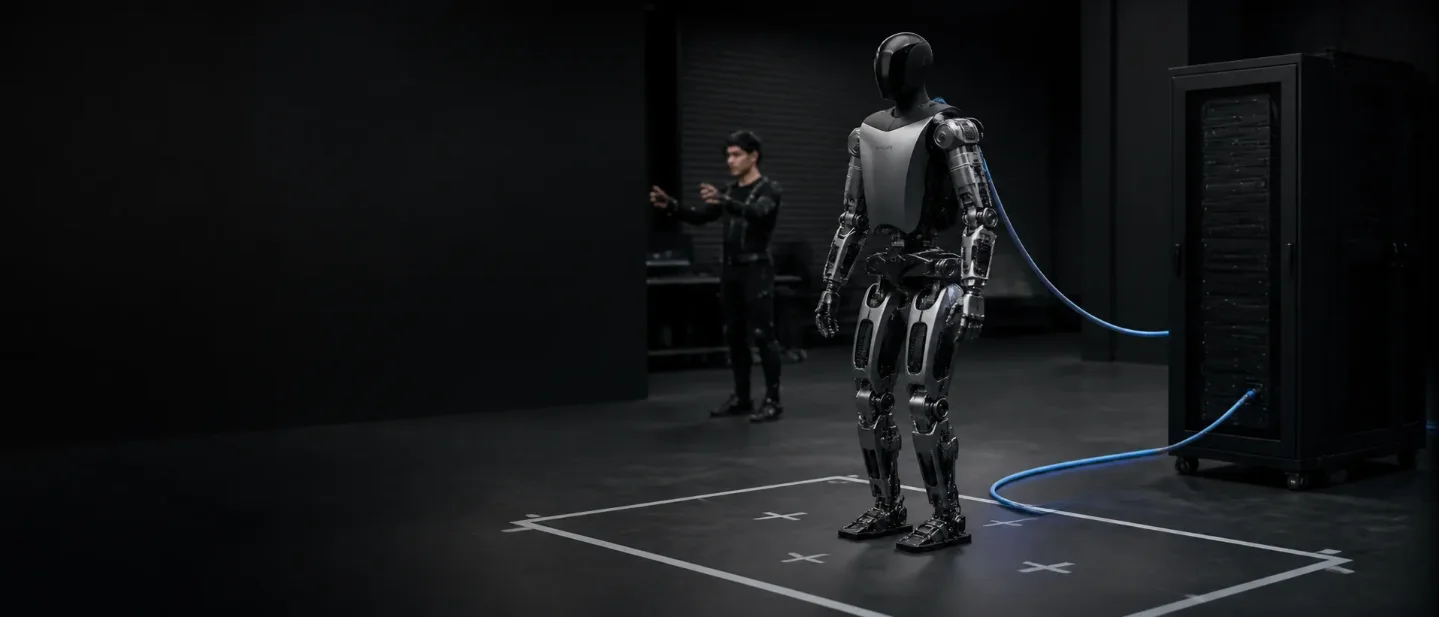
机器人卖进训练中心,订单还没走到终端
FT 调查发现,中国人形机器人订单正由政府扶持训练中心托起;本文拆开硬件采购、数据回售和真实工位三层需求,说明销量增长为何还不能直接证明终端商业化。

导读
训练中心已经造出了两种真实需求:买机器人,买训练数据;行业仍要补上的第三种需求,是独立工厂愿意为机器人的劳动结果持续付费。
作者丨 AI 科技评论
编辑丨 AI 科技评论
人形机器人的销量正在上升,订单却不一定来自流水线。
一台机器人可以先卖给训练中心,再由人类遥操作生成数据,最后由机器人厂商把数据买回去。
2026 年 8 月 20 日,Financial Times 刊发 William Langley 的调查报道《Who is really buying China’s humanoid robots?》。1
FT 发现,中国人形机器人厂商的大量收入来自政府支持的训练中心;这些中心购买机器人、组织遥操作采集数据,再把数据卖给机器人厂商。1
FT 把这套做法与 Nvidia 数据中心交易中的「循环融资」相提并论。1
在 AI 科技评论看来,这个类比要读的是客户关系:谁给买方钱,谁持有买方股权,买方又把钱付给了谁。
报道中的匿名投资人担心行业接近炒作周期顶部,其中一人正在寻找减持和退出机会;支持者则援引电动车和光伏产业,认为政府采购先推动了初始需求,中国后来在这两个产业取得主导地位。1
AI 科技评论认为,这两种判断可以同时成立。
政策订单可以是真金白银,也可以建设数据、人才和零部件供应链。
问题只剩一个:这笔钱证明了哪一层需求?
01|先拆三层需求
训练中心既是机器人买家,也是数据卖家。
机器人厂商既是硬件卖家,也是数据买家;部分厂商还持有训练中心运营公司的股权。
这套交易会同时留下出货量、数据收入和公司营收,三张表都能增长。
销量首先证明机器被买走了,只有独立客户在真实工位上持续购买机器人的劳动结果,销量才开始证明终端商业化。
| 需求层 | 谁付钱 | 钱买了什么 | 它证明了什么 | 它还没有证明什么 |
|---|---|---|---|---|
| 硬件需求 | 政府支持的训练中心 | 机器人本体 | 设备采购和量产交付已经发生1 | 工厂是否愿意按生产价值继续采购 |
| 数据需求 | 机器人厂商 | 遥操作产生的训练数据 | 厂商愿意为模型训练投入资金1 | 数据能否跨厂商复用,能否覆盖真实工况 |
| 劳动需求 | 独立工厂或仓库 | 搬运、装配、检测等生产结果 | 机器人的工时、良率和产出可以进入客户账本 | 这正是 FT 报道仍在追问的缺口1 |
这三层需求可以先后出现,也可能长期停在前两层。
FT 的调查价值,就在于它没有把一张出货量曲线直接翻译成一条商业化曲线。
02|订单在闭环里转
截至 2026 年 6 月,中国已经建成或正在建设的机器人训练中心超过 90 个;FT 引述 Interact Analysis 的统计称,头部中心自称每年生成超过 1000 万个数据点。1
数据也有了价格。
一名匿名卖家告诉 FT,5 分钟机器人舞蹈的训练数据最高可卖到 100 万元人民币;这只是单一卖家的最高报价,FT 同时写明价格会因项目而异。1
这些采购已经改写市场预期。
Morgan Stanley 在 6 月把 2026 年中国人形机器人出货预测从 2.8 万台上调至 5 万台,理由是地方政府和商业用户的采购强于预期。1
公司收入也在快速长大。
乐聚告诉 FT,训练中心占 2025 年旗舰产品 Kuavo 销售的 45%,已经成为 Kuavo 最大的收入来源。1
乐聚的创业板招股书提供了另一块拼图:Kuavo 在 2025 年实现销售收入 1.78 亿元,占公司营业收入的 68.86%;招股书还把 Kuavo 描述为数据采集中心的「执行主体」。2
优必选向 FT 披露,2025 年来自政府支持训练中心的订单为 1.4 亿元。1
优必选的年度业绩公告显示,公司 2025 年总收入为 20.01 亿元,其中全尺寸具身智能人形机器人产品与服务收入为 8.21 亿元,占 41.1%。3
宇树的口径需要单独看。
FT 写的是,宇树 2025 年前三季度的人形机器人收入中,近四分之三来自教育和科研用户;分析师同时告诉 FT,其中只有相对较少的产品运往数据采集中心。1
教育科研占比不能换写成训练中心占比。
AI 科技评论注意到,闭环最紧的一处不在销量,而在买卖双方的关系。
FT 称,北京最大的机器人训练中心部署了 100 多台 Kuavo,乐聚持有运营公司接近 38%的股权。1
乐聚招股书披露,上海乐聚持有北京数聚 37.76%,北京石景山产业发展有限公司持有 39.31%,北京保汇投资管理有限公司持有 22.93%;招股书把北京数聚的业务写成「人形机器人数据采集中心运营」。2
厂商参股买方、向买方卖机器人,再从训练体系购买数据,这一圈里每笔交易都可能是真交易。
关联关系不会抹掉收入,却会削弱订单作为独立终端需求证据的强度。
政策资金先把训练场、设备和操作团队搭起来,产业也许会像电动车和光伏一样,经过重复建设和失败项目后留下供应链与少数强者。
Poe Zhao 在 FT 文章结尾保留了这个可能性:政策容忍早期损失,是因为技术学习、更强供应链和少数全球竞争者可能补偿其他损失。1
训练中心因此更像一座先修好的驾校。
驾校可以卖车、收学费、积累练习里程;道路运输能不能挣钱,还要等车辆离开训练场。
03|数据不等于工位
训练中心解决的是机器人没有数据可学的问题。
训练中心自己也有两个难题:数据是否可用,场景是否真实。
FT 采访的一名中国北方训练中心高级经理说,不同机器人厂商的数据只能由各自使用;一个 8 小时训练班次,平均只有 2 至 3 小时数据真正可用。1
训练场还会把任务切得更干净,把地面、光照、工件和人流控制得更稳定。
真实工厂不会照着训练脚本运行。
Interact Analysis 分析师 Marco Wang 告诉 FT,现实生产线和仓库总会不同于训练中心预设的场景;Goldman Sachs 分析师也认为,高质量真实世界数据稀缺,仍是人形机器人广泛采用的最大障碍。1
数据点的数量适合衡量训练投入,工序、班次、良率和产出才适合衡量终端价值。
BMW 与 Figure AI 的试点提供了一个更具体的坐标。
BMW 官方披露,Figure 02 在美国斯帕坦堡工厂的真实生产条件下运行了十个月,周一至周五每天工作十小时,负责取放钣金件并把部件定位到焊接流程。4
BMW 称,这台机器人累计运行约 1250 小时,移动超过 9 万个部件,并支持生产超过 3 万辆 BMW X3。4
这个案例仍是试点,BMW 没有把一座工厂的验证写成全行业成熟。
它的意义更窄,也更有用:一家独立工厂明确了任务、班次、运行时数、部件数量和对应产出。
中国训练中心下一步缺的,正是这类能由终端客户核对的账。
04|原话与验收
Poe Zhao 先说清了训练中心为什么扩得快,也点出了它的代价:
This model is spreading rapidly because it reduces the cost of building facilities, buying equipment and organising teleoperation teams.But it also blurs the distinction between independent demand and demand created within a policy-supported ecosystem.意译:这套模式降低了建场地、买设备和组织遥操作团队的成本,却也模糊了独立需求与政策支持体系内部需求的界线。1
一名向机器人厂商销售软件的北京算法工程师,把参与者的激励说得更直接:
Companies like ours need revenue, not necessarily profits.Both sides get what they need, and both sides have something to show.意译:像我们这样的公司需要收入,不一定需要利润;双方都拿到自己需要的东西,也都有成果可以展示。1
Marco Wang 则把训练场与终端之间的距离压缩成一句话:
The real-world application or real-world manufacturing line, real-world warehouse is always different from your scenario.意译:现实应用、真实生产线和真实仓库,总会不同于训练中心设定的场景。1
接下来,投资者和产业客户可以盯五个公开信号:
- 第三方工厂采购比例。 厂商需要把政府支持训练中心、教育科研客户和独立生产客户分开披露。
- 真实工位的付费产出。 企业需要公开具体工序、连续班次、运行时数、良率或对应产品数量。
- 数据向非关联方销售的比例。 FT 采访的训练中心员工称,目前只有少量数据卖给汽车厂等非机器人制造商。1
- 数据复用率与有效时长。 同一份数据能否跨本体、跨厂商使用,比数据点总数更接近训练效率。
- 买方与卖方的股权关系。 厂商退出训练中心运营公司后,中心是否仍会按同样价格和数量采购机器人。
在 AI 科技评论看来,训练中心已经把机器人送上了跑步机。
行业真正要交的成绩,是机器离开训练场之后,能不能在工厂里跑完一个付费班次。
References
- 1
- 2乐聚智能创业板招股说明书
reportdocs.static.szse.cn
- 3优必选:2025 年年度业绩公告
hkexnews.hk
- 4BMW:Figure 02 斯帕坦堡工厂试点
press.bmwgroup.com
This story was produced automatically by a channel. One sentence is all it takes for Neodrop to keep producing for you.