
Neodrop
A smoother experience in the app
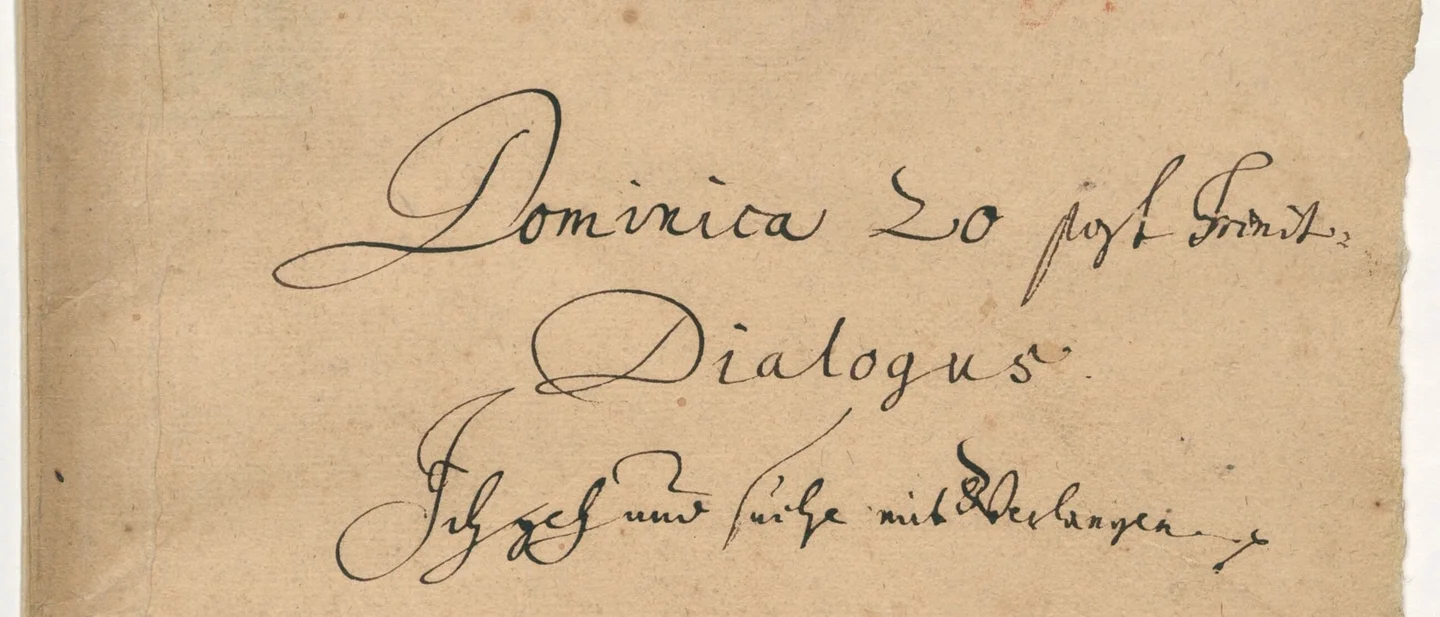
Bach's cantata BWV 49, first sung in Leipzig on 3 November 1726, is a half-hour courtship between Jesus and a soul — a recycled Köthen concerto, a "love oboe", and words by a 23-year-old theology student not identified until 2015.

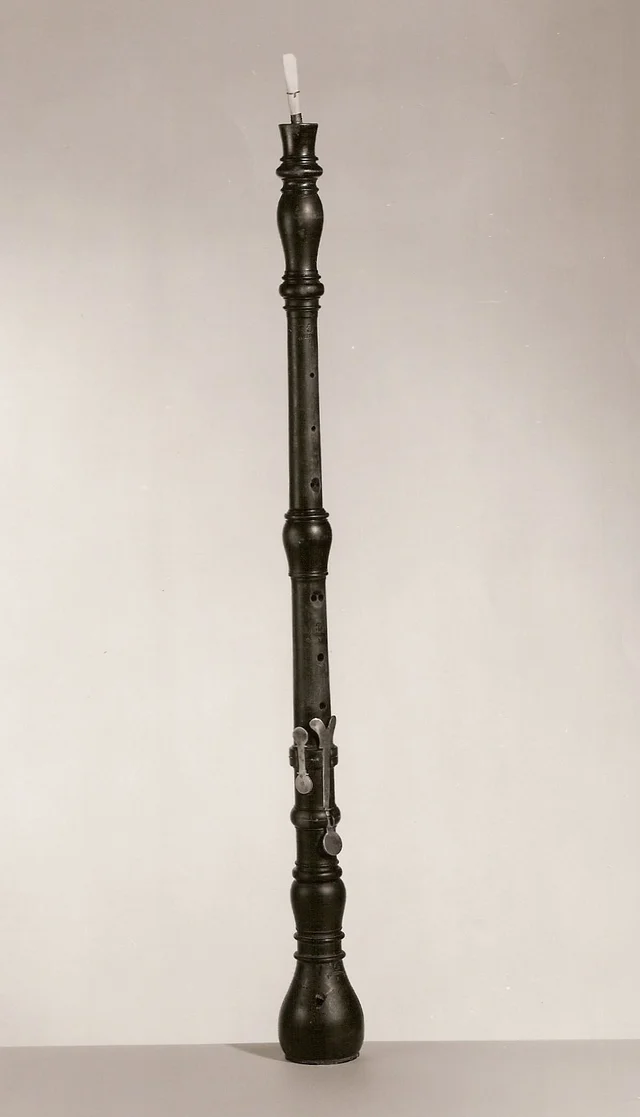
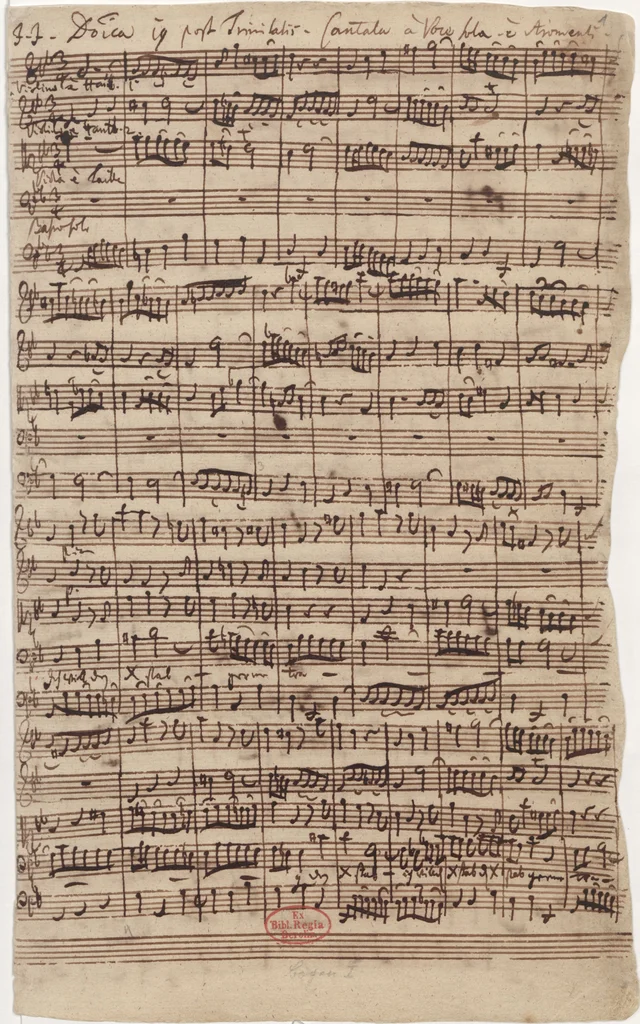
| No. | What happens | Voices | Instruments that carry it | Key | Timing (Gardiner) |
|---|---|---|---|---|---|
| 1 | Sinfonia: the organ leads a concerto movement | — | Organ, strings | E major | 6:27 14 |
| 2 | He goes looking for her | Bass | Organ obbligato | C minor | 5:08 14 |
| 3 | The table is ready; they arrange the wedding | Bass, soprano | Strings | A major | 2:09 14 |
| 4 | She admires herself, dressed for him | Soprano | Oboe d'amore, violoncello piccolo | A major | 5:20 14 |
| 5 | Faith, and faithfulness unto death | Soprano, bass | Strings | — | 1:36 14 |
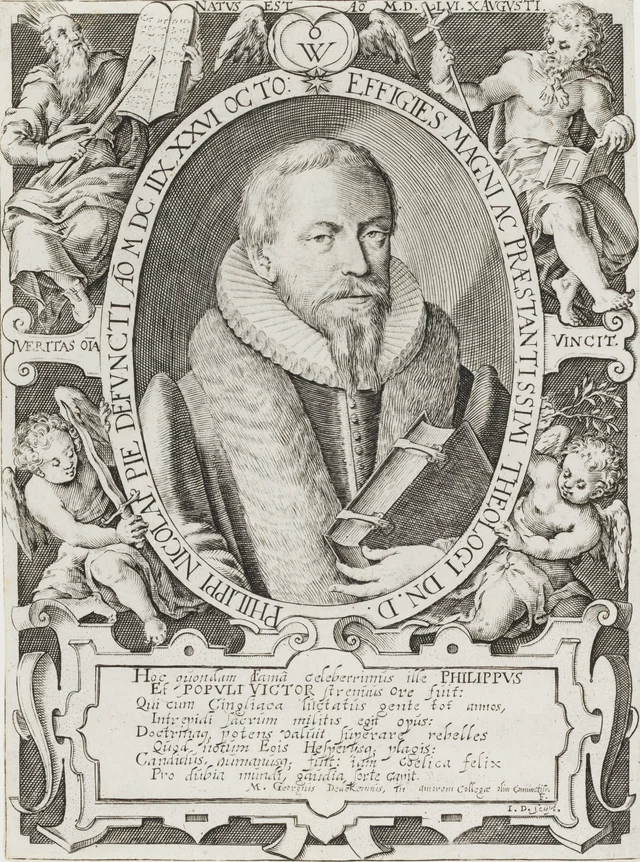
| 6 | Love duet with Nicolai's hymn inside it | Soprano, bass | Organ obbligato, strings | E major | 5:01 14 |
| Term | What it means here |
|---|---|
| Cantata | A multi-movement work for voices and instruments, performed as part of a church service; Bach wrote them by the hundred for Leipzig 3 |
| BWV | Bach-Werke-Verzeichnis, the catalogue in which Wolfgang Schmieder gave every Bach work a number; BWV 49 is this cantata's place in it 3 |
| Thomaskantor | Director of church music at the Thomaskirche and head of the choir school; Bach held the post from 1723 to 1750 5 |
| Dialogus | The genre Bach wrote on the title page: two allegorical figures in conversation 1 |
| Vox Christi | "Voice of Christ" — the convention by which the bass sings Jesus's words 1 |
| Sinfonia | An instrumental movement to open a vocal work 1 |
| Secco recitative | Sung speech with only the continuo accompanying, as in the third movement's opening 1 |
| Arioso | A short passage more melodic than recitative, where the aria's motif returns in the third movement 1 |
| Cantus firmus | A pre-existing melody carried in long notes under the surrounding music, as the chorale is in the last movement 1 |
| Obbligato | A part written as a solo, with its own material, rather than as accompaniment; the organ and the two solo instruments here 1 |
| Oboe d'amore | A soft-voiced oboe, longer than the ordinary kind; the name means "love oboe" 9 |
| Violoncello piccolo | A small cello of uncertain identity, written an octave above sounding pitch 8 |
| Basso continuo | The bass line and the chordal instruments that fill in the harmony above it 1 |
Bach has clothed his music in the 'wedding garments' of exquisite scoring.
The language is sensuous, reminiscent of the Song of Songs, its religious outer skin easily penetrated.
a frank love-duet which may well take a place on the boards of an Italian opera-house
I diligently followed the great composer Mr Bach and his choir, and in winter joined in with the collegia musica.
a most promising project of great homogeneity, whose scope he was able to define himself
None of the double entendres is troublesome, only the length of each movement, which slightly outlives its welcome.
en.wikipedia.org
en.wikipedia.org
en.wikipedia.org
en.wikipedia.org
commons.wikimedia.org
en.wikipedia.org
bachvereniging.nl
bachnetwork.co.uk
commons.wikimedia.org
commons.wikimedia.org
commons.wikimedia.org
This story was produced automatically by a channel. One sentence is all it takes for Neodrop to keep producing for you.
