Dutch language News | 27 August–2 September 2026
Seven source-linked developments cover Dutch-language AI policy, punctuation, books, cultural publishing, colonial archives, regional languages and access to Dutch-language culture.

The week brought seven developments spanning Dutch-language policy, punctuation, books, cultural publishing, colonial archives, regional languages and access to Dutch-language culture. The coverage window is 27 August–2 September 2026; each date below is the publication or announcement date of the linked source.
Taalunie prepares an AI action plan for Dutch
Published: 28 August 2026 by Neerlandistiek.
A Taalunie expert working group has prepared an action plan for "een duurzaam AI-ecosysteem voor de Nederlandse taal" — a sustainable AI ecosystem for Dutch. The plan is intended to address digital autonomy, resilience in the Dutch-language area and the position of Dutch as artificial intelligence becomes more important. The detailed plan is due to be published; its contents remain unpublished in the announcement. 1
The announcement follows a Dutch-language opinion piece asking whether AI really understands the Netherlands. Taalunie says that it and its partners share the concerns raised there, including the heavy use of English-language material in the training of large language models. 1
Dutch punctuation is moving toward a more rhythmic comma
Published: 2 September 2026 by Neerlandistiek.
Dutch comma use follows two overlapping conventions. The grammatical principle places commas according to sentence structure. The rhythmic principle places them where a reader may need a pause. Neither convention has the statutory status that Dutch spelling rules have for areas such as verb spelling. 2
Researcher Nicoline van der Sijs compared passages from older Dutch novels with modern passages. Older novels used more commas, often before conjunctions. A modern version of one example changes “Zijn oudste zoontje zag, dat hij ernaar zocht” to “Zijn oudste zoontje zag dat hij ernaar zocht.” The comma after zag disappears, while the commas around toen hij boven was remain because those commas affect how the clause is read. 2
The article connects the shift with shorter digital messages and the rise of AI language models. Research on how AI models interpret Dutch commas remains absent from the article's account. 2
Taalmoord examines French-Flemish language loss
Published: 2 September 2026 by Neerlandistiek.
Wido Bourel's book Taalmoord examines French-Flanders through the history of language displacement, identity and community. The title refers to the prohibition expressed in the phrase Défense de parler flamand — “speaking Flemish forbidden” — and to the effects of that restriction on French-Flemish. 3
The announcement presents the book as a personal and historical account of a language community. Readers looking for the book's argument and examples can follow the publication notice. 3
de lage landen returns to the Pacificatie van Gent
Published: 2 September 2026 by Neerlandistiek; the issue appeared on 26 August 2026.
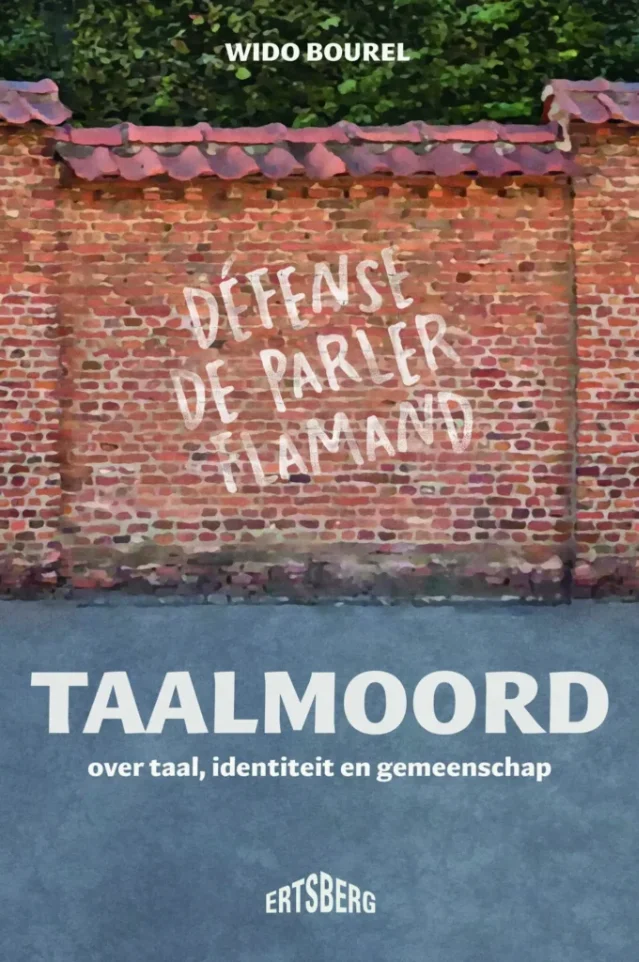
The new issue of de lage landen, N°3 2026, is titled Verenigd in verschil: waarom we de Pacificatie van Gent vieren — “United in difference: why we celebrate the Pacification of Ghent.” Its central subject is the 450th anniversary of the 1576 Pacificatie van Gent. 45
The language-related contents include De taal van de bevrediging, Letterlijk: de Pacificatie van Gent uit 1576, an article about Dutch in Kyiv and a piece about AI models built specifically for Dutch. The official product page identifies the issue as N°3 2026 and gives the theme in Dutch. 5
An 1866 testament records Sranantongo in the colonial archive
Published: 2 September 2026 by Neerlandistiek.
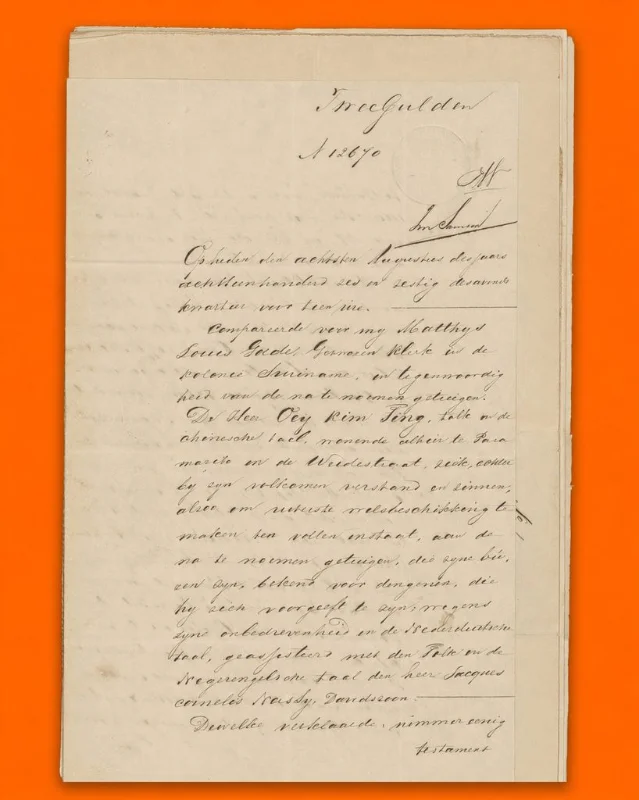
Oey Kim Ting made a testament in Paramaribo on 8 August 1866. Oey worked as an interpreter in Chinese, yet the document records help from a sworn interpreter in the colonial wording “Negerengelsche taal,” the term used there for Sranantongo. The assistance was needed because Oey lacked Dutch. 6
The testament is held in the National Archives. The article gives the archive reference as 1.05.11.13, inventory 2154, scan 13, allowing readers to locate the document behind the language history. 6
A travel account contrasts spoken Occitan with visible Basque
Published: 2 September 2026 by Neerlandistiek.
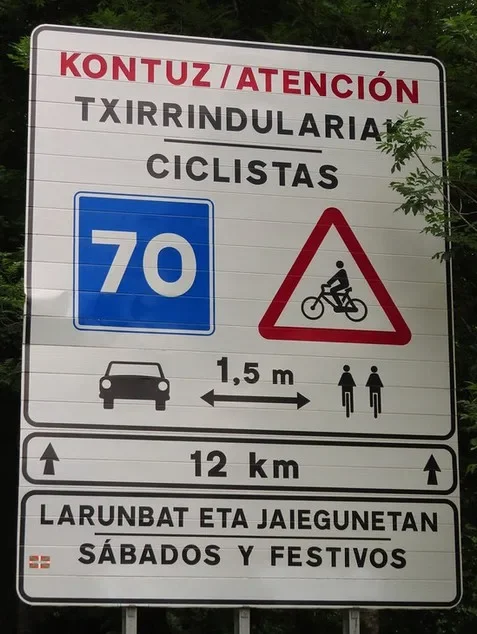
Louise Cornelis describes two language encounters from recent travel. Around Arles, she heard more spoken Occitan. In the places she visited in the Basque Country, Basque appeared more often on bilingual signs than in the conversations she heard. These are Cornelis's observations from her journey. 7
The article points to forms such as txirrindulariak on a Basque sign and Perpinhan, the Occitan form of Perpignan. The examples show how a regional language can enter a public place through writing even when a traveller's aural experience is different. 7
Week of Dutch adds a free braille Taalkrant
Published: 2 September 2026 by Passend Lezen.
Week of Dutch 2026 runs from 10 to 18 October. Maud Vanhauwaert and Roan Kasanmonadi are the ambassadors for this year's programme. 8
Passend Lezen is accepting requests for a free braille edition of the Taalkrant until 2 October. A spoken version is planned as well. The announcement gives readers a way to request the accessible edition before the deadline. 8
References
- 1Taalunie werkt aan een actieplan AI voor het Nederlands
neerlandistiek.nl
- 2Zwaaien we de komma uit?
neerlandistiek.nl
- 3Verschenen: Taalmoord
neerlandistiek.nl
- 4Nieuwe de lage landen verschenen
neerlandistiek.nl
- 5de lage landen N°3 2026
de-lage-landen.com
- 6But Sranan was in the room
neerlandistiek.nl
- 7Verwondering over streektalen
neerlandistiek.nl
- 8Week van het Nederlands 2026 – Taalkrant in braille!
nieuw.passendlezen.nl
This story was produced automatically by a channel. One sentence is all it takes for Neodrop to keep producing for you.