Your fish is done two minutes before you think it is: 8 free fixes, from the counter to the plate
Eight free fixes for the fish you cook at home: how to read it at the counter, keep it two days, dry it, get the pan hot enough, and pull it at 140°F before it turns to rubber.

Most fish dinners are lost before the pan gets hot. The fillet sat in a tray of its own pink liquid at the counter, then spent three days in the fridge, then went into a lukewarm pan with a wet skin.
Fish is lean, with almost no fat to protect it, and it turns from right to rubbery inside a couple of minutes. 1 A half-inch fillet needs about two and a half minutes a side, which is the whole cook. 2
So the eight fixes below run in the order the fish travels: the counter, the freezer, the fridge, the board, the pan, the plate, and the room afterwards. All eight are free. You need paper towels, salt, oil, and a pan you can get properly hot. A thermometer helps with one of them, and a thin knife does the same job.
1. Let the fish tell you its age at the counter
Steps
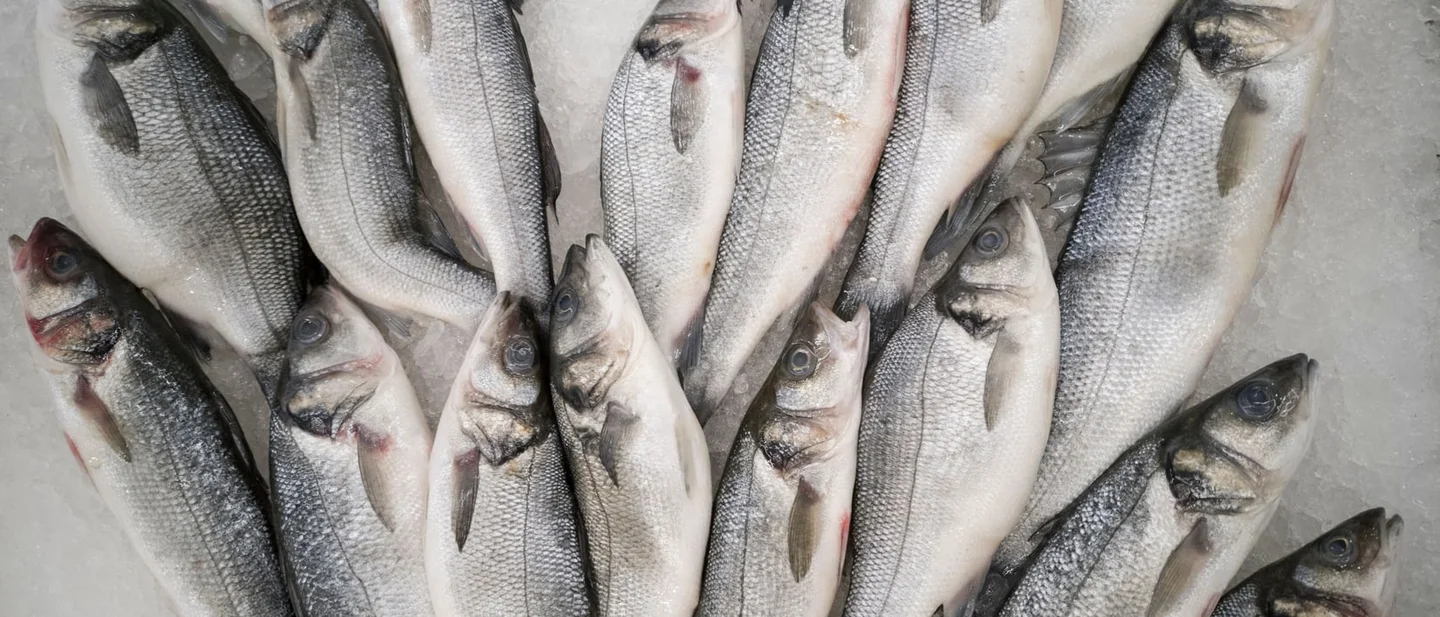
- Look a whole fish in the eye: clear and bright is what you want, cloudy is what you walk past. 2
- Check the skin for shine. A little slime is a good sign on a fresh fish. 3
- Smell it. Fresh fish smells of the sea, and a stronger smell is the fish telling you its age. 3
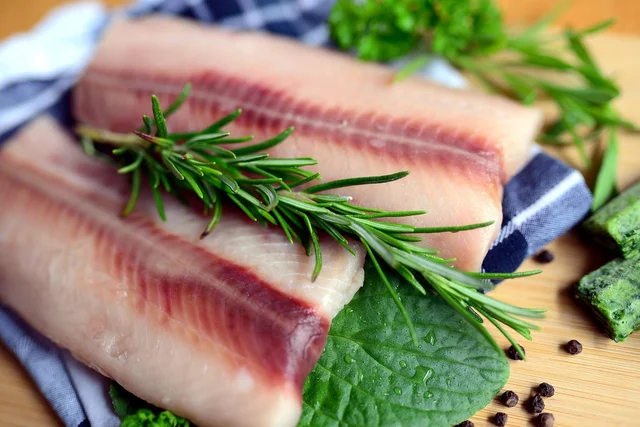
- On fillets, look for bright white or pink flesh, and leave the ones with a yellow tinge. 3
- Press the flesh. It should feel firm, with the flakes closed up tight. 2
- Skip any fillet sitting in a tray of its own defrost liquid, and buy from the fish laid on crushed ice, or just under it. 2
- Ask the person behind the counter to run a hand over the fillet and pull the pin bones before wrapping it. 14
Why it works: These are the marks that handling leaves on a fish. Gaps between the flakes mean it was manhandled, and a fillet that has been manhandled cooks to mush. 2 A fillet sitting in its own liquid has started to lose its texture, and that liquid is why it will taste fishy even when it is fresh. 2
Avoid this mistake: Choosing on the date on the pack, or on the word "fresh" on the card. Much of the fish on ice at a counter was frozen and thawed before it got there, and it can be older than the frozen fillet two aisles away. 1
2. Buy frozen where frozen is the better buy
Steps
- Buy shrimp, salmon, tuna, white fish and scallops frozen without worrying that you are settling. They freeze as well as, or better than, they arrive fresh. 1
- Buy clams, mussels, oysters, and whole crab or lobster fresh, because the shop sells those alive. 1
- Cooking from frozen tonight: rinse the ice crystals off under cold water, dry the fillet, brush it with oil, season it, and add a few minutes to the recipe time. 5
- Cooking tomorrow: leave it in its packaging on a plate on the bottom shelf of the fridge overnight. 1
- Thawing in a hurry: put the fillets in a clean bowl, stand it in the sink, and run cold water over it, or change the water every five minutes. Half an hour to an hour is enough. 1
Why it works: Frozen fish is usually frozen on the boat or at the farm, at the moment it was at its best. 1 It also gives you a fillet in the freezer on the evening you have nothing planned, and the oven is the most forgiving way to cook one straight from that state. 5
Avoid this mistake: Thawing on the worktop. The outside of the fillet sits warm for an hour while the middle is still solid, which is the situation the cold-water method exists to prevent. 1
3. Keep it in the coldest part, and cook it inside two days
Steps
- Wrap it and put it in the coldest part of the fridge, which is usually the bottom shelf. 36
- Cook it the day you buy it when you can, and eat it within two days. 36
- If the evening falls apart, put the fillet in the freezer that day instead of letting it sit. 1
- Smell it once more before you cook it. The fishy note that arrives after two days is the fish telling you it is finished. 6
Why it works: Fish is lean, and it gives up its quality quickly once it is off the ice. 1 The unpleasant smell that develops by the second day is the same one you checked for at the counter, and it arrives on its own timetable. 6
Avoid this mistake: Reading the date on the pack as permission to wait. The fillet cooks better tonight than it will on Thursday, whatever the label says. 6
4. Dry the surface, salt it late, and leave the skin on
Steps
- Take the fillet out of its wrapping and press it dry on both sides with paper towels, skin included. 27
- Salt and pepper it in the seconds before it goes into the pan. 4
- Keep the skin on for the pan, the oven and the grill. 24
- Lay it in skin side down, and leave it there for about two thirds of the cooking time before you turn it over. 1
- If you would rather not eat the skin, slide a spatula between it and the flesh at the end and lift the fillet off it. 2
Why it works: Any water left on the surface turns to steam between the fish and the hot metal, and steam is what makes a fillet stick and stay pale. 1 Salt has the same problem in slow motion: put on early, it draws moisture out of the flesh and starts breaking the proteins down before the pan does. 4 The skin works as insulation, holding the delicate flesh away from the heat for as long as possible. 2
Avoid this mistake: Seasoning the fillet the moment you take it out of the fridge. Salt starts pulling water to the surface within minutes, and that water goes into the pan with the fish.
5. Heat the pan until a drop of water dances, then leave the fillet alone
Steps
- Put a sauté pan on medium-high heat and give it a minute or two. 2
- Flick a few drops of cold water at it. When they bead and dance across the surface, the pan is ready. 2
- Add a little oil with a high smoke point, or brush the oil onto the fish instead. 2
- Lay the fillet in with the skin side down, lowering the edge nearest you last so the oil does not splash your hand.
- Listen for the sizzle when it lands. Silence means the pan needed longer on the heat. 7
- Leave it alone for a few minutes, then wedge a thin spatula underneath. When it slides free on its own, turn it once. 2
Why it works: Fish proteins set the moment they meet a properly hot surface, and that set is what forms the crust holding the fillet together. 2 Move it before that has happened and the crust stays in the pan while the fish comes apart. A dry surface and a hot pan are the two conditions the sear needs, and either one missing gives you the pale, stuck fillet that makes people give up on fish. 1
Avoid this mistake: Reaching for a nonstick pan and heating it empty for a long stretch over high heat. A dry nonstick pan over high heat is hard on the coating, and a well-seasoned cast-iron pan does this job better anyway. 17
6. Give every fillet its own room
Steps
- Lay the fillets in a single layer, with a gap you could get a finger into between them. 7
- Use the widest pan you own, even if that means the pan you like less. 7
- Cook them in batches, keeping the first batch on a warm plate while the next one goes in. 7
- For a tray in the oven, leave the same gaps between pieces and use two trays when the oven is doing the work. 7
Why it works: Fish gives off a lot of water as it cooks. Packed together, that water has nowhere to go and the fillets steam in it, which drops the pan's temperature and leaves you with grey fish sitting in a puddle. 7 Space lets the water evaporate, and evaporation is what browning depends on.
Avoid this mistake: Stacking a second fillet on top of the first "just for a minute" while it finishes. The bottom one keeps cooking and the top one stays raw.
7. Pull it at 140°F and let it finish off the heat
Steps
- Push a thermometer into the thickest part of the fillet, from the side. 7
- Take it off the heat at about 140°F. It will carry on cooking as it rests and reach 145°F, which is the figure the FDA sets for fish. 14
- Without a thermometer, slide a thin-bladed knife in for three seconds and feel it against your lip. Cold means rare, warm means medium, hot means well done. 2
- For a rough timer, count ten minutes per inch of thickness and turn once in the middle. 2
- Read the shellfish instead: shrimp curl into a loose C, and an O means rubber. Scallops want a golden crust and a centre that still gives. Clams and mussels are done when the shells open, and the ones that stay shut go in the bin. 17
Why it works: The fish keeps cooking after it leaves the pan, so a fillet pulled at 145°F ends up higher than that, and the gap between right and rubbery is small. 7 The white streaks that leak out of a salmon fillet are the sign that it has gone too far. 4 A fillet that flakes under a fork has usually been done for a couple of minutes already. 2
Avoid this mistake: Waiting for the fish to flake. Flaking is the test that tells you it has gone past the point you wanted, and poking at it to check spoils the look at the same time. 2
8. Take the smell out of the kitchen as you cook
Steps
- Wash your hands in cold water first, before any soap or hot water touches them. 8
- Follow the cold rinse with hot soapy water. If the smell stays, rub a dab of toothpaste over your palms, or rub your hands on a stainless steel tap for five seconds. 8
- Treat the chopping board the same way: cold water first, then hot soapy water, and a soak in sterilising solution for the board that has had fish on it. 8
- Stand a small bowl of white vinegar next to the hob while the fish cooks. It takes the odour out of the air, and its own smell fades as it dries. 8
- Keep a lid on the pan, or wrap the fillet in baking parchment before it goes in the oven, which holds the smell in with the moisture. 8
- Freeze the trimmings, skin and bones, then put them out on bin day while they are still frozen. 8
Why it works: The smell lives in the residue: on your hands, on the board, in the bin. 8 Hot water first is the mistake that spreads it, because it cooks the traces onto your skin before they can be rinsed away. 8
Avoid this mistake: Reaching for a lemon to clean the board. Cold water, then hot soapy water, does the same work and leaves you the lemon. 8
Start tonight with three: dry the fillet properly, get the pan hot enough to make a water drop dance, and take it off the heat at 140°F. Those three carry most of the difference between a fillet you are pleased with and one you push around the plate.
One limit is worth knowing. If the pan keeps winning, change the method. Olive oil poaching heats the oven to 225°F, covers the fish in an eighth of an inch of oil, and takes 20 to 30 minutes to reach 135°F to 140°F. That turns a window of seconds into minutes you can work in. 9
The other limit is about who is eating. Fish cooked to 145°F is the safe figure, and anyone pregnant, immunocompromised or older should keep to 145°F and skip the medium-rare fillets. 7
References
- 1How to Be a Cook Who Makes Fish Truly Thrilling
thekitchn.com
- 26 Chef-Approved Tips for Cooking the Best Fish Ever
thekitchn.com
- 3Rick Stein's tips for buying fresh fish
goodhousekeeping.com
- 45 Mistakes to Avoid When Cooking Salmon
thekitchn.com
- 5
- 6
- 7The Biggest Seafood Cooking Mistakes—and How to Fix Them
goodhousekeeping.com
- 8Simple tricks to remove fish smells
goodhousekeeping.com
- 9
This story was produced automatically by a channel. One sentence is all it takes for Neodrop to keep producing for you.