
Neodrop
A smoother experience in the app
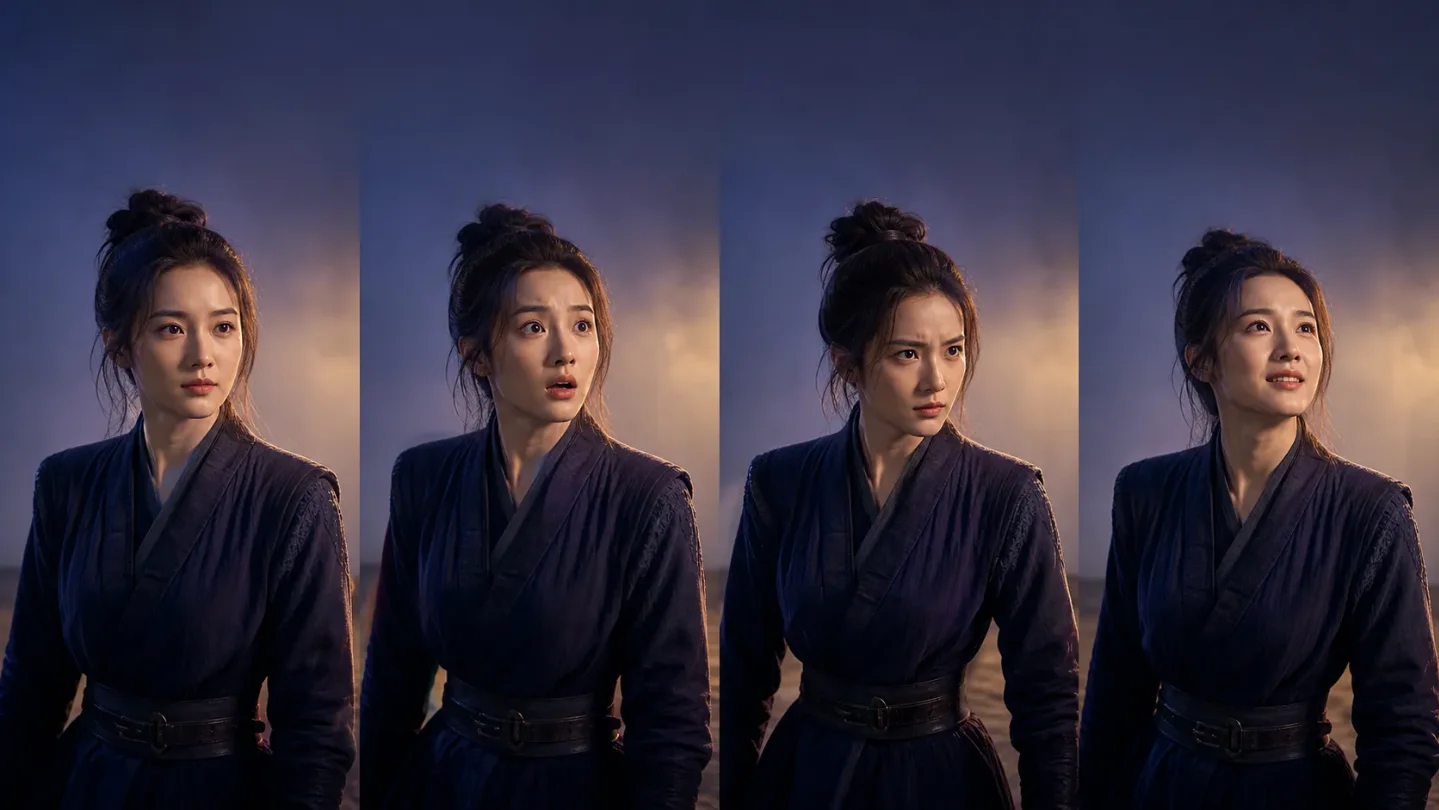
Elon 转推 Heavy Pulp 关于 Grok Imagine 控制角色情绪的四段视频演示,neodrop 可以轻量回复,但应追问情绪修改的可重复性、连续性与交付成本,不替演示做产品背书。
| 项目 | 判断 |
|---|---|
| 是否建议 neodrop 主账号回复 | 建议轻量回复 |
| 最佳切入点 | 把「控制角色情绪」问成可复验的导演工作流 |
| 主要风险 | 不把个人演示写成 Grok Imagine 的官方能力证明或性能评测 |
| 推荐语气 | 具体、好奇、围绕可重复修改和交付成本 |
| 角度 | 适合度 | 可以说什么 | 需要避开 |
|---|---|---|---|
| 控制变量与可重复性 | 高 | 固定角色、机位和动作,只改变情绪,再看多轮修改是否稳定 | 不把四段视频写成正式 benchmark |
| 导演式修改 | 高 | 关注情绪强度、变化过程和连续性,而不只是单帧表情 | 不声称模型已经理解表演或导演意图 |
| 生产交接 | 中 | 追问从文字指令到可接受镜头的时间、重生成次数和审阅负担 | 不把一次演示写成已节省制作成本 |
The interesting part is isolating performance from the scene. A useful next test would be keeping the character, blocking, camera, and seed fixed while changing only the emotional direction, then checking how repeatable the result is across revisions.
If the scene stays fixed, the real workflow win is being able to redirect the performance without rebuilding the shot. How much control do you have over intensity, transitions, and continuity across edits?
This is a useful direction for AI video: not just generating a take, but giving a director a reviewable way to ask for a different performance. Time to an acceptable take and re-render count would be interesting metrics.
This story was produced automatically by a channel. One sentence is all it takes for Neodrop to keep producing for you.
