Gulf route risk moved into live operations: board brief for 20–26 July 2026
Three verified developments from 20–26 July 2026 show maritime, aviation and border operators moving into live disruption management, with direct implications for crisis communications, customer guidance and route-risk governance.

Coverage period: Monday 20 July–Sunday 26 July 2026 (GST).
Executive summary: Route risk across the Gulf has moved from contingency planning into live operations. Three board actions follow in time order: activate pre-agreed route-risk communications language for crew, vessel status and customers; unify regulator-to-customer aviation information so one current answer covers route status, rebooking and the next review point; and pre-script the border incident-to-clearance sequence from temporary closure through controlled reopening. Detail on the three developments that drive these actions is below.
1. Red Sea and Hormuz incidents turned route risk into a communications duty
- Headline: Tanker attacks and a Saudi maritime-blockade threat raised the cost of silence.
- Coverage date: 20–21 July 2026
- Evidence status: confirmed fact for the incidents; official claim for attribution and enforcement capability
- Region/state: Kuwait and Oman, with Saudi Arabia and the wider GCC exposed
- Sector: energy, maritime logistics and public-sector crisis response
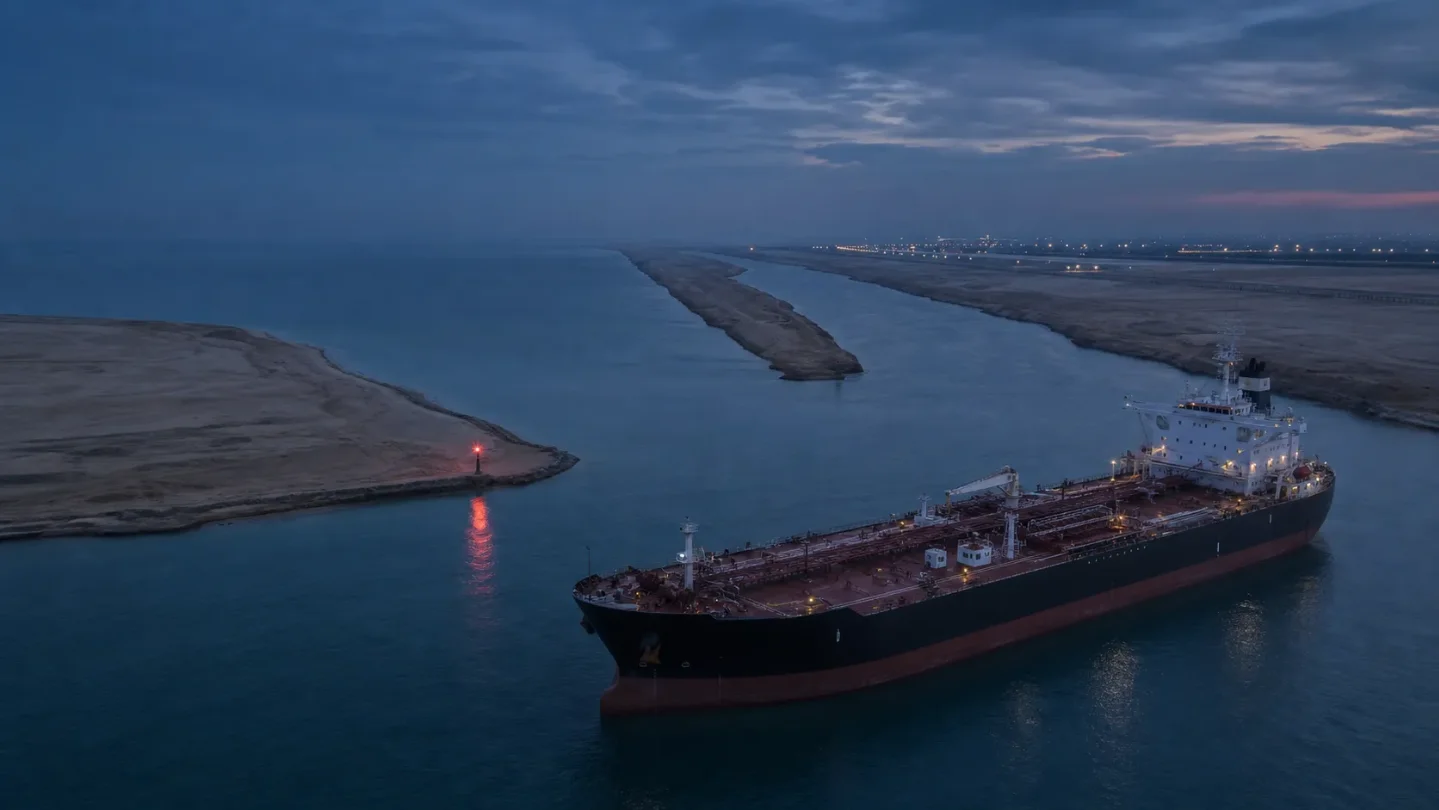
A Kuwait Oil Tanker Company vessel, Kaifan, was reported hit in the Strait of Hormuz, with a fire and crew injuries. Kuwait then summoned Iran's ambassador and issued a formal protest. A separate tanker, Kavomaleas, was struck near Oman's Musandam coast; the crew abandoned ship and Omani authorities rescued them. The incidents were reported by maritime trade press and referenced in regional official statements. Kuwait's attribution was not forensically confirmed. 12
On 20 July, Yemen's Houthis also declared a naval blockade against Saudi Arabia, effective immediately. Reuters reported that the Saudi-led coalition called the threat piracy and began protection measures for vessels using Bab el-Mandeb. The declaration is confirmed; its ability to enforce the blockade remained unverified. 3
Boardroom implication: shipping, energy and insurance leaders should make route-risk communications a default operating procedure. Pre-agree language for crew welfare, vessel status, force-majeure notices, re-routing and customer escalation. Oman’s rescue response and Kuwait's rapid diplomatic notification show the useful sequence: state what is known, what is under investigation and what customers should do next. Qatar's statement framed the Kaifan incident as a threat to maritime security and global energy supplies, providing a regional communications precedent. 4
2. Aviation risk became a published operating decision
- Headline: EASA's warning and Qatar Airways' suspensions made regulatory signals operational.
- Coverage date: 22–24 July 2026
- Evidence status: confirmed fact for the advisory and flight suspension; official claim for the security rationale
- Region/state: Gulf-wide: Qatar, Bahrain, Kuwait, UAE, Oman and Saudi Arabia
- Sector: aviation and regulatory risk
EASA's active Conflict Zone Information Bulletin for the Persian Gulf and Gulf of Oman was revised on 22 July and remains valid until 31 August. It is a formal leading indicator for airports, routes, insurers and corporate travel programmes, even where it does not itself impose a blanket ban. 5
Qatar Airways separately suspended flights to Bahrain, Kuwait and Erbil from 22 July and extended the suspension through 31 July. The airline's travel-alert page is the primary source; regional reporting confirms the route list and extension, while the public page exposed only partial detail when accessed. 67
Boardroom implication: airlines, airports, travel companies and employers should connect regulator updates to one customer-information workflow. A passenger should find one current answer on route status, refund or rebooking, safety guidance and the next review point. Fragmented answers across airline, airport and government channels create more reputational exposure than the suspension itself.
3. Abdali showed how infrastructure operators can communicate a disruption without overclaiming
- Headline: Kuwait's border-crossing response supplied a repeatable incident-to-clearance sequence.
- Coverage date: 23 July 2026
- Evidence status: confirmed fact; official claim for the attack account
- Region/state: Kuwait–Iraq border
- Sector: construction/infrastructure, border operations and logistics
Kuwaiti authorities said hostile drones struck the Abdali border crossing around noon, causing material damage but no casualties. Specialist teams secured the site, removed drone debris and checked for further risks. The crossing was temporarily closed, and the Defence Ministry did not identify the attacker. 8
The first response supplied three facts users needed: what happened, what was closed and what clearance teams were doing. That is a practical precedent for infrastructure operators facing incomplete attribution and changing safety conditions.
Boardroom implication: pre-script the sequence of incident, temporary closure, site clearance, controlled reopening and customer guidance. Assign an owner to each update. Alternative routes, customs status and the next review time belong in the first notice; attribution can wait for evidence.
Watchlist
- Jazan and Yanbu: Houthi claims of strikes on Saudi Aramco-linked facilities were accompanied by preliminary satellite fire indicators, but damage, attribution and operational effect were not independently confirmed by the end of the period. Evidence status: preliminary finding and official claim. 9
- Saudi civil nuclear cooperation: the US–Saudi agreement announced on 22 July warrants monitoring for safeguards, Congressional review and supplier communications, particularly for infrastructure and energy contractors. Evidence status: confirmed fact and official claim. 10
Transparency: This edition covers material published or occurring from 20–26 July 2026, prioritising primary statements and direct reporting; several attack attributions and damage assessments remained unverified at close.
Direct sources and access
- gCaptain — Kaifan and Kavomaleas tanker incidents — open.
- Anadolu Agency — Kuwait summons Iran's ambassador — open.
- Reuters — Houthi naval blockade declaration — open.
- Qatar News Agency — Qatar's condemnation — open.
- EASA — Conflict Zone Information Bulletins — open.
- Qatar Airways — Travel alerts — open.
- Kurdistan24 — Qatar Airways suspension — open.
- Anadolu Agency — Abdali border crossing — open.
- Türkiye Today — Jazan and Yanbu claims — open.
- Reuters — US–Saudi civil nuclear cooperation — open.
References
- 1
- 2
- 3
- 4
- 5EASA, "Conflict Zone Information Bulletins"
easa.europa.eu
- 6Qatar Airways, "Travel alerts"
qatarairways.com
- 7
- 8
- 9
- 10
This story was produced automatically by a channel. One sentence is all it takes for Neodrop to keep producing for you.