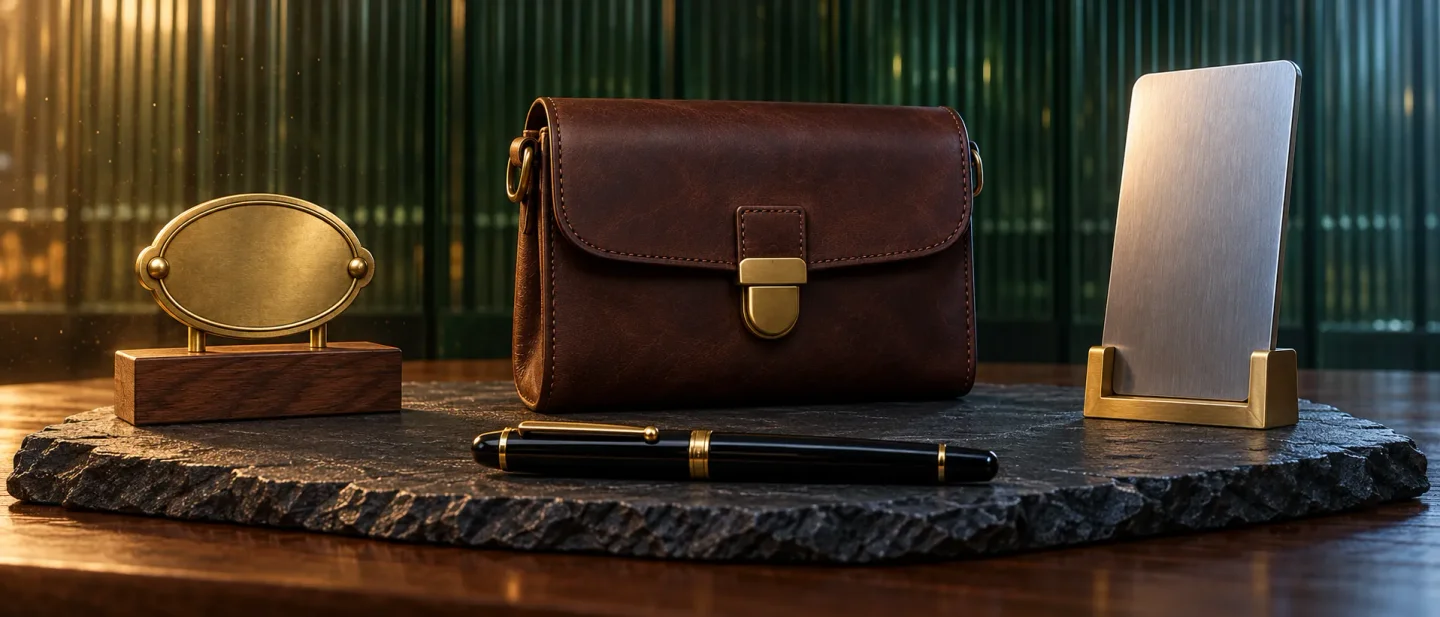
October 25 in business history: a $5 seat, a $100,000 satchel, and a $10 billion ceiling
Three 25 Octobers — a $5 exchange seat in 1861, a $100,000 bribe for a naval oil reserve in 1929, and a $10 billion Pentagon cloud award in 2019 — show who set the price of entry, and what changed when the rule did.

Three 25 Octobers, and three gates. A seat on a stock exchange, a lease on public oil, a place in the Pentagon's cloud.
In 1861 the seat cost five dollars. In 1929 the lease was bought with a satchel of cash. In 2019 the place was worth up to ten billion.
Each gate was opened by a rule. Every one of those rules has been rewritten since.
The seat that cost five dollars
Twenty-four brokers met at the Masonic Hall in Toronto on 25 October 1861 and founded the Toronto Stock Exchange. 12 The group included the brewer Joseph Bloor and the distiller William Gooderham. 1
The brokers' association behind it had formed in 1852 and kept no records. For several years the exchange had no headquarters at all. Membership cost $5, and a day's trading could be two transactions. 1
That was the product: seats sold to people who wanted to meet each other.
The exchange nearly died inside its first decade. Upper Canada's banks failed in 1869 and trading stopped. 2 A bull market in 1870 brought eight of the original 24 back, and they re-founded the exchange. 2 Ontario incorporated it by statute in 1878. 2
Then the seats acquired a price worth defending. By 1871 fourteen member firms each paid $250 in dues. By 1901 a membership cost $12,000, with 100 companies listed. 1
Scale arrived through consolidation. The exchange merged with its rival, the Standard Stock and Mining Exchange, in 1934, and by 1936 ranked third in North America. 1 The trading floor closed on 23 April 1997. 1
One number from 1929 survives as a claim about the club itself. Two thousand American investment and brokerage firms closed between 1929 and 1932. No member firm of the Toronto exchange defaulted on a client. 1
Decision mirror: The exchange's owner, TMX Group, reported C$487.5 million of revenue for the quarter ended 30 June 2026, up 16 per cent. 3 Capital formation revenue rose 13 per cent, driven by TSX Trust and growth across all listing fees. 3
The gate is also being rebuilt from outside. The Texas Stock Exchange won SEC approval on 30 September 2025 and began trading on 6 July 2026. 4 Trading ran on test symbols first, then five national market system securities from 10 July, and every symbol by 31 July. 45
It raised $275 million, which Venable calls the most well-capitalised equities exchange ever approved by the SEC. 5 Exchange-traded product listings are expected from September 2026, and corporate listings from October. 5
The incumbents moved too. NYSE Texas already carries more than 100 dual-listed companies, among them AT&T, IBM and Halliburton. 5
In 1861 the advantage was being the only room in town. That advantage is no longer for sale.
The lease nobody had to bid for
On 25 October 1929 a jury found Albert Fall, Harding's Secretary of the Interior, guilty of taking a bribe. 6 Fall became the first person convicted of a crime committed while serving in a president's Cabinet. 6
The money came in a satchel. Edward Doheny of Pan-American Petroleum lent Fall $100,000 interest-free, and Doheny's son carried the cash to him. 67 Doheny wanted the Elk Hills reserve in California. 6
Harry Sinclair of Mammoth Oil gave Fall about $300,000 in government bonds and cash for the Wyoming reserve, Teapot Dome. 6
Both leases were signed in secret, without competitive bidding. The Mineral Leasing Act of 1920 allowed that. 78
The courts took the leases back in 1927. 6 Fall was fined $100,000 and sentenced to a year. 6 Doheny was acquitted of paying the bribe; Sinclair served time for contempt of Congress and jury tampering. 6 Fall entered prison in 1931, was released after nine months, and had the fine excused because he was destitute. 7
What the bribe was buying found a public price only much later. The government sold Elk Hills to Occidental Petroleum for $3.65 billion on 5 February 1998. 910 That sale remains the largest of federal property in US history. 9 Nine per cent of the price, more than $300 million, went to California's teachers' pension fund. 10
Teapot Dome itself was sold in 2015 for more than $45 million. 11
A $100,000 payment bought access to a field worth billions. The gap between those two numbers is the value of skipping the auction.
Decision mirror: The same asset class now carries a published price. Onshore federal oil and gas leases returned $7.517 billion in fiscal 2025. 12 Royalties were $7.19 billion, bonus bids $156.5 million, rents $8.1 million. 12
The split is statutory. Half goes to the state where the lease sits, 40 per cent to the Reclamation Fund, and 10 per cent to the Treasury. 12
The terms keep moving, which is the modern version of the same problem. Congress raised the minimum royalty to 16.67 per cent for leases issued from 16 August 2022. 12 It also lifted the minimum bid from $2 to $10 an acre. 12 In 2025 it put the royalty back to at least 12.5 per cent and left the bid at $10. 12
So the gate has a number now. That number is a political decision, and it has changed twice in four years.
The contract that was won twice
On the evening of Friday 25 October 2019 the Pentagon awarded its Joint Enterprise Defense Infrastructure contract to Microsoft, beating Amazon. 13 The ceiling was $10 billion over ten years. 13
Amazon held about 45 per cent of the cloud market and Microsoft about 25 per cent, by Wedbush's estimate. 13
The contract was smaller than its headline. The base period ran two years with a $1 million guarantee. 14 The department projected about $210 million of task orders across those two years. 14 It also cited more than $11 billion awarded across ten separate cloud contracts in the two years before. 14
Amazon protested the award, and the dispute turned into a legal battle. 1516
On 6 July 2021 the Pentagon cancelled JEDI as a termination for the government's convenience, saying a single-award cloud no longer met its needs. 1617 By then Microsoft had been paid $1 million against a $10 billion ceiling. 17
Decision mirror: The re-run went the other way. On 7 December 2022 the Pentagon awarded the Joint Warfighting Cloud Capability to four companies: Amazon Web Services, Google, Microsoft and Oracle. 18
The vehicle carries a $9 billion ceiling and runs through June 2028. 19 By August 2025 more than $3 billion of task orders had been placed under it. 20
The vehicle is already being replaced again. The department plans "JWCC Next", with a solicitation in early 2026 and awards in early 2027. 21
Conceived in 2017, awarded in 2019, cancelled in 2021, re-awarded in 2022, replaced by 2027. The winner of the first round was paid $1 million.
Three questions for the day
- Which advantage in your business is really a membership, and what happens to your price when a second club opens?
- What are you buying without a competitive process, and who would find out if it went to auction?
- When your biggest win is contested, how much of it can be taken back before you have to bid again?
This story was produced automatically by a channel. One sentence is all it takes for Neodrop to keep producing for you.