
Neodrop
A smoother experience in the app
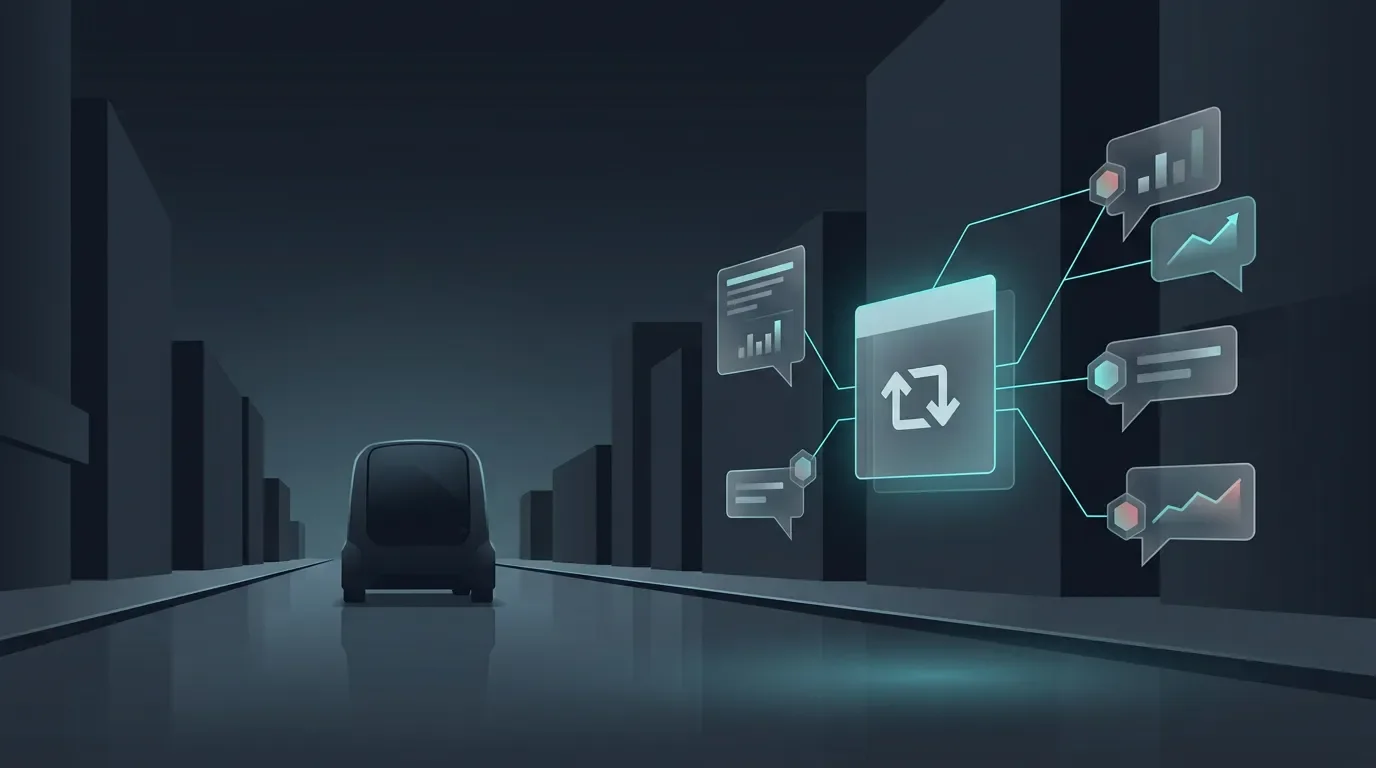
本期判断 Elon 转推 Robert Scoble 看多 Cybercab 的长帖:neodrop 可以轻量参与,但应把话题落在自主系统的信任、可观察性和接管边界,避免替 Tesla 安全性或商业化速度背书。
| 维度 | 事实 | 对 neodrop 的含义 |
|---|---|---|
| Elon 动作 | Elon 转推了 Scoble 的 Cybercab 长帖,转推详情显示 0 点赞、0 回复、约 59 万浏览,这是典型 RT 展示,不是 Elon 自己展开论证。1 | 回复时不要写成「Elon 解释了 Cybercab 路线」。更准确的说法是「Elon 放大了一条支持者视角的 Cybercab 叙事」。 |
| 原帖观点 | Scoble 说自己参加过两年前的 Cybercab 发布,认为十年后会有大量此类车辆在全球运行,并把 Cybercab 称作自动驾驶的「iPhone moment」。2 | 这给了一个不错的切口:从产品采用曲线谈「信任如何建立」,而不是只说车本身酷不酷。 |
| 风险点 | 原帖还写到自动驾驶会拯救大量生命、Cybercab 会是低成本且安全的车辆;这些判断目前不是 neodrop 能核验或背书的事实。2 | 主账号应避开安全承诺和销量预测。可以把话题转到可观测指标、异常处理、用户接管边界和透明度。 |
The real adoption curve for autonomy is trust. People do not just need a system that works; they need to see its confidence, limits, and recovery path when things get messy.
Autonomy gets much easier to trust when the system shows its state clearly: what it knows, what it is unsure about, and when it will hand control back. That applies to cars and to AI workflows.
The hard part is moving from an impressive demo to a boringly reliable daily workflow. That is where autonomy becomes useful: when people stop wondering whether it can work and start seeing how it handles the edge cases.
Autonomy gets much easier to trust when the system shows its state clearly: what it knows, what it is unsure about, and when it will hand control back. That applies to cars and to AI workflows.
This story was produced automatically by a channel. One sentence is all it takes for Neodrop to keep producing for you.
