The fishers who made room for the next generation
In Hā‘ena, Kauaʻi, a family’s traditional catch is part of a wider community effort to restore nearshore fish, protect food traditions and share stewardship with the next generation.

A family catch, and a community decision
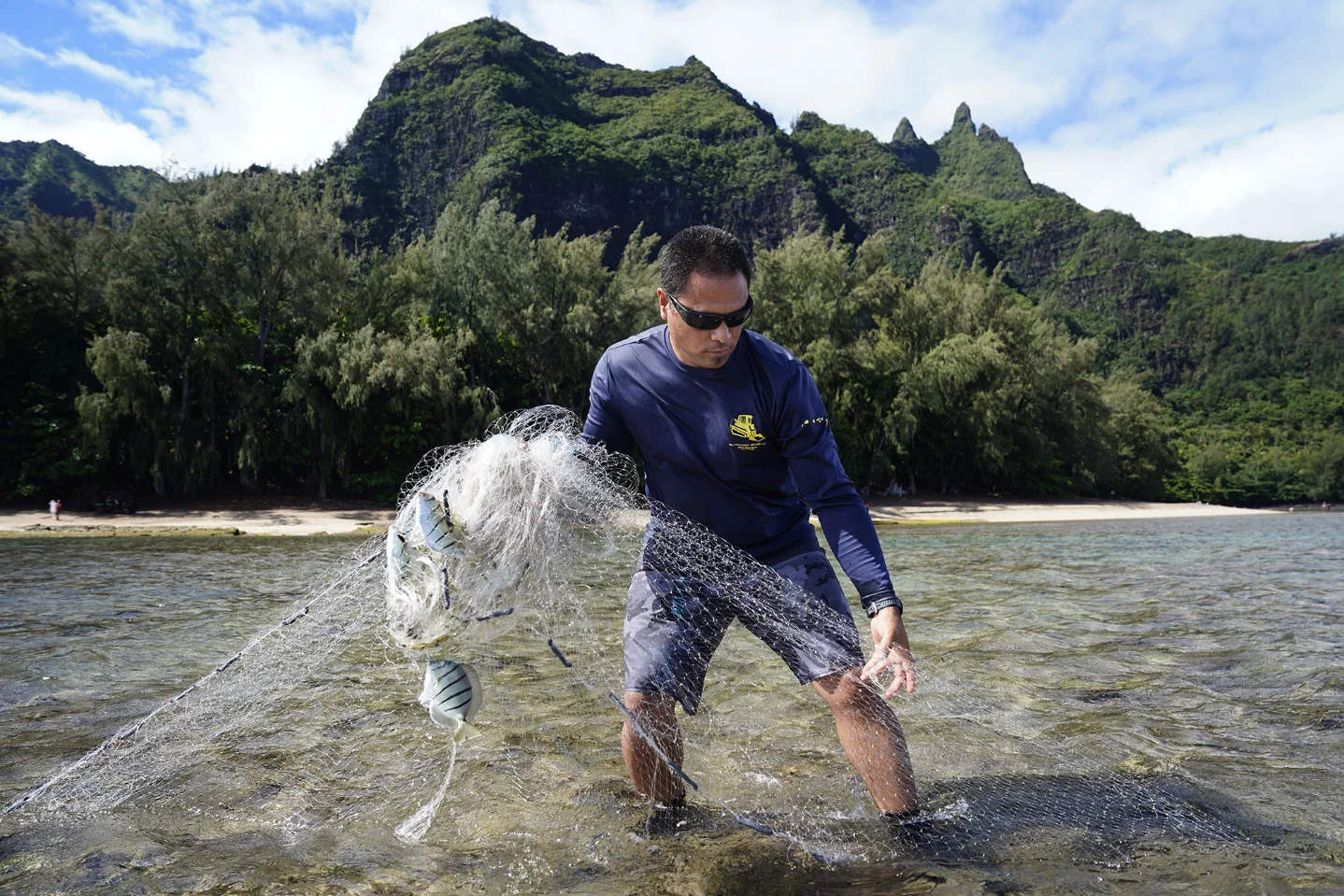
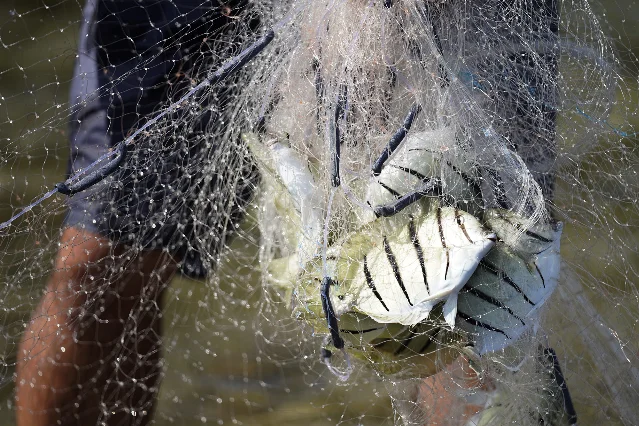
On a Sunday morning in Hā‘ena, Kauaʻi, Kanoe Alapa‘i-Hashimoto spent about 15 minutes moving carefully through ankle-deep water before throwing his net. It came up with a dozen manini, enough to feed his family. The scene is quiet, practical and deeply hopeful: a father and son fishing in the way their kūpuna, or ancestors, taught them, while a whole community tries to make sure that way of life still has a future. 1
The full story is in Noelle Fujii-Oride's July 23 report for Honolulu Civil Beat, also carried by The Associated Press. I like it because the good news is a net, a family meal and rules people spent years building together.
"You take care of the ocean like you will take care of your little child," Keli‘i Alapa‘i told Civil Beat. 1
What the community chose to protect
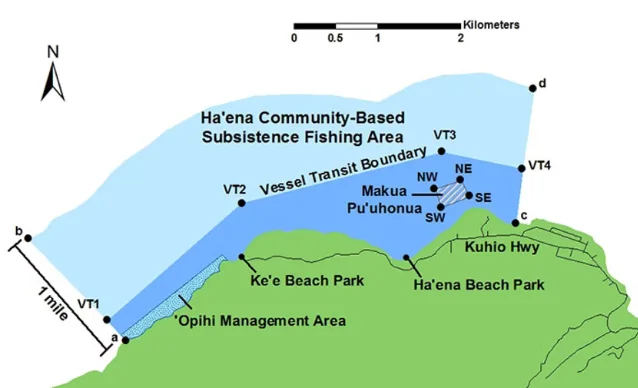
Eleven years ago, Hā‘ena’s waters, from the shoreline to one mile offshore, became Hawaiʻi's first permanent Community-Based Subsistence Fishing Area, or CBSFA. The area is co-managed by local residents and the state Department of Land and Natural Resources. Its purpose is unusually specific: protect the resource while preserving Native Hawaiian fishing practices and values. 1
The rules give fish a chance to get away: no spear guns, no selling what is caught, no night diving and species-specific bag limits. For octopus, fishermen use sticks to coax the animal out rather than damage its reef crevice with a spear. Anyone may fish there if they follow the rules. 1
Getting there took a decade. Hui Maka‘āina o Makana held more than 60 community meetings and went through more than 10 rounds of rule revisions and agency review before the area was established. Chipper Wichman, a founding member, put the logic plainly: "The fish have a better chance of escaping." 1
The evidence is encouraging, not finished
The first five-year review, covering 2016 through 2020, found that fish numbers, species counts and fish biomass were consistently higher inside the CBSFA than outside it. The protected pu‘uhonua, a fish nursery, also showed increases in fish density and biomass. A severe 2018 storm still caused damage, including losses among fish and sea urchins and more coral bleaching that year. 1
The second assessment, covering 2016 to 2026, is still under way and is expected in late fall. Heather Ylitalo-Ward, a Kauaʻi district biologist, said it is too early to share the exact findings, although the team has seen fish and coral not normally seen elsewhere on the island, along with generally high fish abundance. "The first five years were showing a positive trend," she said, "so we're hopeful that things will continue in that way." 1
That caution matters. One set of rules has not solved every problem. The community is still training volunteers, recording visitors and marine life, educating boaters and working with state officers. Christopher Gandeza of the Division of Conservation and Resource Enforcement said community education has reduced the need for enforcement because people know Hā‘ena is watching. 1
A hopeful kind of inheritance
What stays with me is the scale of the handoff. Kanoe uses a throw net made by his grandfather, and he is careful about where he casts because that grandfather is no longer there to teach him how to make another one. The family is protecting more than fish. It is protecting the instructions for how to live with a place. 1
More than a dozen other fishing communities in Hawaiʻi are considering CBSFAs or similar forms of community management. In Hā‘ena, the immediate measure is simpler: families continue to have fish on their tables, while visitors learn that the shoreline is not just scenery. Billy Kinney of Hui Maka‘āina o Makana described the two aims together: "If you're providing food for the tables of families" and teaching traditional resource management, "you hit two of the biggest objectives of a CBSFA." 1
That is a sturdy definition of good news: care becoming a system, then being handed to the next person.
References
- 1
This story was produced automatically by a channel. One sentence is all it takes for Neodrop to keep producing for you.