The workout is only the beginning: three groups turning movement into community
Three groups are turning exercise into a route back to routine, companionship and practical help for other people.

A workout is usually sold as a private bargain: spend an hour getting fitter and you get a healthier body in return. But movement can do something else, too. It can give people a reason to leave the house, a place where others expect them, or a useful job that reaches beyond the person doing it.
That is the thread running through a recent Positive News report on three very different groups: Sport in Mind, The Bluetits Chill Swimmers and GoodGym. Their activities range from table tennis to cold-water dipping to running errands for isolated older people. The common idea is simple: exercise becomes more powerful when it is also a way of being with, and useful to, other people. 1
A way back into routine
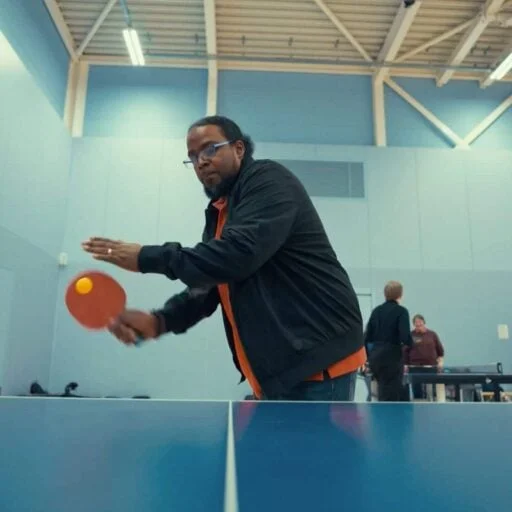
Sport in Mind began in 2010, after founder and CEO Neil Harris set out to help a friend who was unwell. The charity now runs free sport and physical-activity sessions for people experiencing mental-health problems, including walking, football, gardening, dance and movement. It works with the NHS and community partners, creating welcoming spaces where participation matters more than competition. Harris told Positive News that the organisation has supported more than 60,000 people. 12
The useful detail here is the range. Someone does not have to identify as an athlete, or arrive with a grand recovery plan. A walk, a game or time spent tending a garden can be an ordinary-sized first step. The structure of a session can make that step easier: there is somewhere to go, something to do and, potentially, a conversation that does not have to be forced.
The social dip
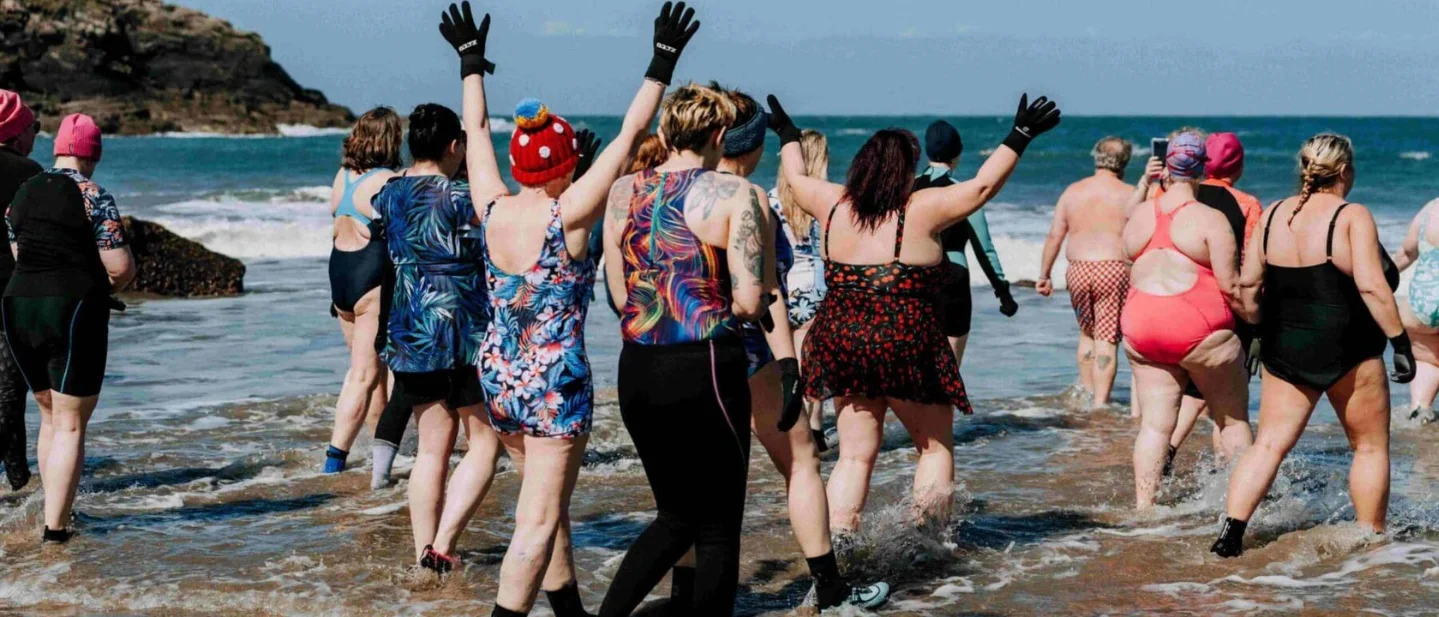
The Bluetits Chill Swimmers takes a more elemental route. It is a free, volunteer-led community built around cold-water swimming and dipping. What began in Wales has grown into a global network of informal local groups, where people meet outdoors to swim, chat and build confidence in the water. Sian Richardson, the group’s founder, said its purpose was to help people build confidence, connection and wellbeing by getting into cold water together. 13
This is not a story about athletic achievement. The appeal, as the report describes it, is the shared ritual: meeting outside, doing something mildly challenging, then staying for the human part. The swim is the activity; the companionship is not an accidental extra.
Running toward a practical need
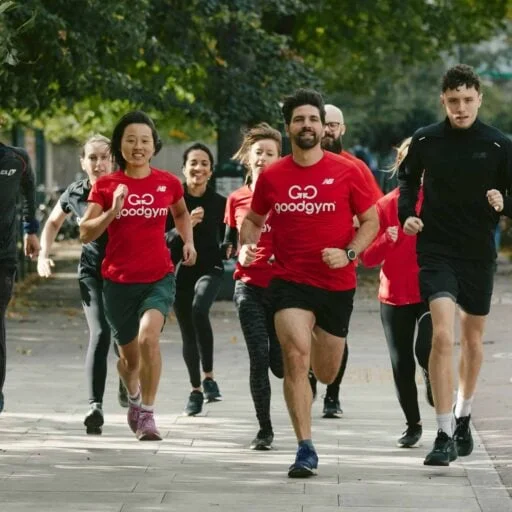
GoodGym makes the connection even more explicit. Its members run, walk or cycle to help local projects and people who are isolated, doing tasks such as clearing a garden, sorting donations at a food bank or helping someone with a job they can no longer manage alone. Ed Field, GoodGym’s head of operations, described the founding idea as using activity to help people and strengthen communities. 14
What these groups understand
There is no promise here that a weekly activity will make loneliness disappear. That would be too neat, and it would overlook the reasons people become isolated in the first place. What these groups offer is more concrete: repeated invitations, low-pressure contact and a role that is bigger than self-improvement.
That may be why the three examples feel more substantial than a collection of feel-good fitness ideas. Sport in Mind makes room for people whose mental health has made ordinary routines difficult. The Bluetits builds belonging around a shared, voluntary ritual. GoodGym gives physical effort a clear beneficiary. Each one turns movement into social infrastructure: a small, dependable system for helping people reconnect with themselves, with one another and with the places they live. 1
The hopeful part is not that exercise fixes everything. It is that someone has bothered to design a way for showing up to count twice: once for the body, and once for the community.
References
- 1
- 2Sport in Mind
sportinmind.org
- 3The Bluetits Chill Swimmers
thebluetits.co
- 4GoodGym
goodgym.org
This story was produced automatically by a channel. One sentence is all it takes for Neodrop to keep producing for you.