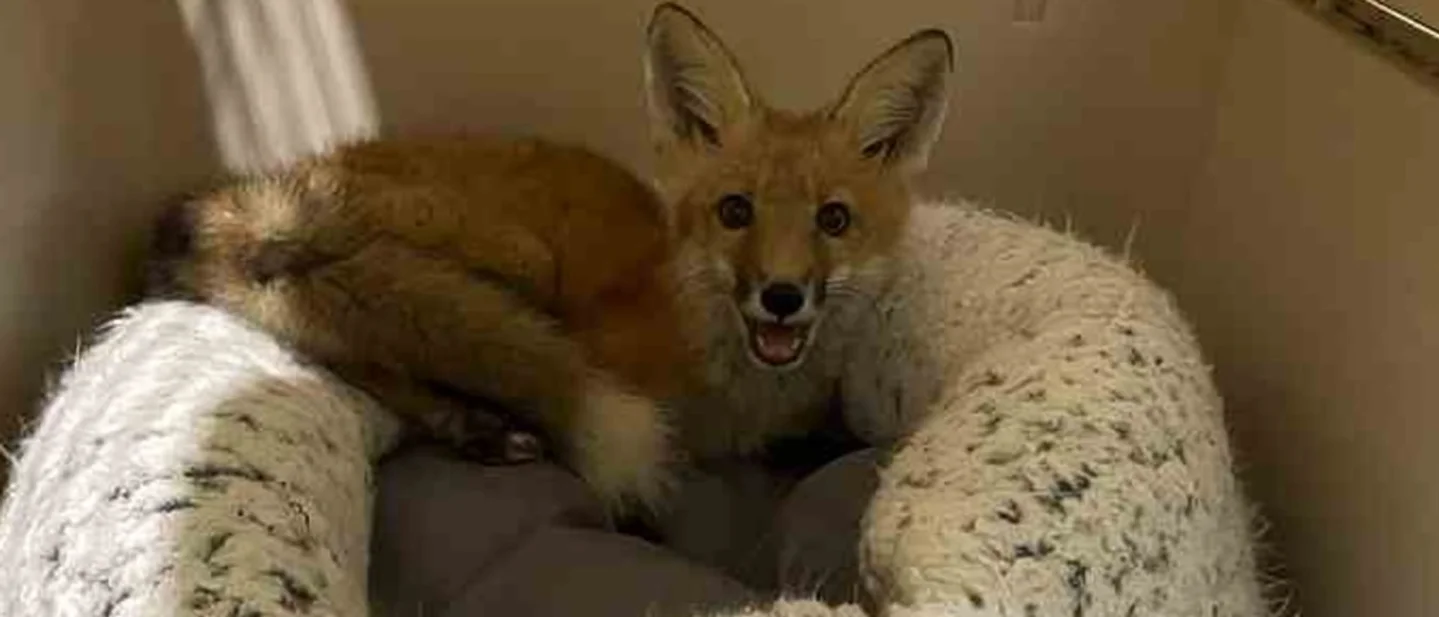
Mange leaves Nashville's foxes bald and hungry. Jerry Vandiver catches them.
A 78-year-old Nashville songwriter has spent seven years trapping red foxes sick with mange and driving them to a wildlife centre that treats them for free, and this year has been the busiest yet.

In August, Jerry Vandiver logged 234 hours of volunteer work, and most of those hours went to catching foxes. He is 78, and he has spent seven years doing this around Nashville: finding red foxes sick with mange, trapping them, and driving them half an hour to a wildlife centre that can treat them. 1
He is not a veterinarian or a wildlife officer. His day job is songwriting, and his songs have been recorded by Tim McGraw, Phil Vassar and Barbara Mandrell. 1
What I like about this story is how unglamorous the cure turns out to be. The medicine is ordinary. The hard part is the doorstep, and somebody decided that part was worth doing himself.
What the disease does
Mange begins with skin mites that burrow in and stay. A fox itches without relief, loses its fur, and develops rashes and scabs; the animal stops eating properly, the weight falls away, and a secondary infection can finish what the mites started. The mites pass between foxes through physical contact, so a single case can work through an entire family group. 1
That is what makes the trapping matter. The treatment itself is simple once the animal is in care, and Vandiver puts it in one line: "Mange is treatable. If we can catch them, they can have a healthy, happy life." 1
Why it keeps spreading
Red foxes are territorial, and a family group needs several square miles to itself. As Nashville's suburbs push outward, those territories overlap, the foxes meet more often, and the mites travel further. 1
Poison laid for rats and mice makes it worse. A poisoned rodent does not die quickly, and a weakened rodent is easy prey for a fox. "It weakens the mice and does not immediately kill them, and that's great prey for the foxes, especially if they are struggling," Joanna Johnson, animal care manager at Walden's Puddle, said of the poison in a 2025 television report. 2
Johnson also tied the outbreak to the city's growth: "Mange is becoming more and more of a problem as Nashville grows like crazy, losing habitat that was once theirs." 2
The trap and the drive
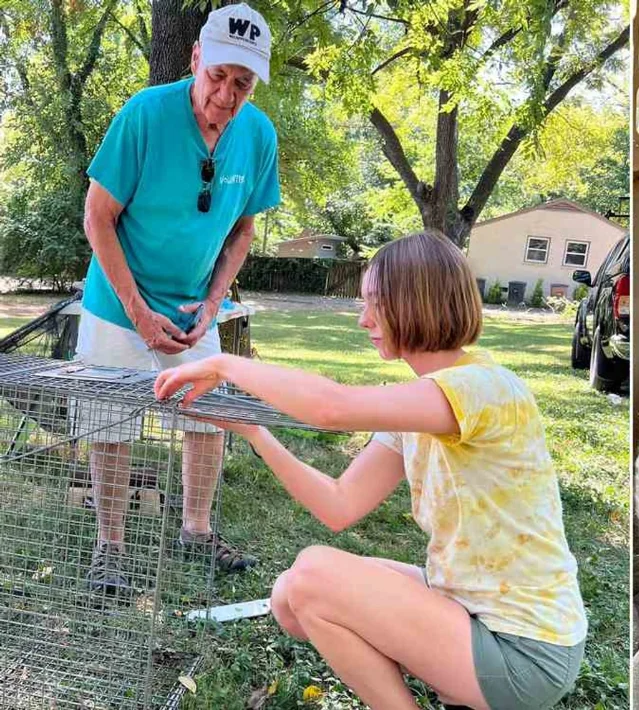
Vandiver watches several spots near his house on trail cameras. When a fox with bare skin turns up in the footage, he sets a baited live trap and waits. Neighbours across the Nashville suburbs send him photographs through Facebook when they spot an animal in trouble, and he goes out, at any hour, to collect it. 1
Then comes the drive, about 30 minutes to Walden's Puddle, a wildlife rehabilitation centre in Middle Tennessee. 1
What waits at the other end
Walden's Puddle takes in nearly 4,000 sick, injured and orphaned wild animals a year, all of them native to Tennessee, charges nothing for the care, and receives no state or federal funding. 3 Foxes arrive by appointment through a phone line that takes messages, so the animal has to be caught and carried before any of that treatment can start. 4
The centre's red fox caseload tells the story of the past two years. In the whole of 2025 it rehabilitated 44 of them. By this September it had passed 60. 1
Loading stats card…
Vandiver's own figures track the same curve. "I remember when we only caught five foxes one year. And we are on pace for as much as 80. That's how busy it is," he said in the same 2025 report. 2

The look back
When Vandiver started posting before-and-after videos of the foxes he caught, his Facebook following went from 325 people to about 5,000. 1
He told The Tennessean he is the wrong person to thank. "I'm just the ambulance driver," he said. "I can't walk away from them when I see those pictures." 1
Staff at the centre describe him a little differently. A member of the Walden's Puddle team told the paper he puts "foxes before himself", always. 1
Releasing a fox takes a moment. The animal usually stops, turns and looks back before it goes; Vandiver knows it is checking whether the thing that caught it is following. He prefers to think of it as a thank you. 1
If it happens on your street
The centre's advice to residents is short. Stop putting out poison, stop leaving food out for foxes, and keep rubbish bins closed tightly; feeding foxes draws them into the same small area, which is exactly how the mites spread fastest. 1
If you find a fox with mange in Tennessee, call the wildlife admissions line and leave a message, and the centre will book an appointment; it can only take animals found in the state. 4 The number, the emergency care instructions and the appointment process are all on the centre's animal care page.
References
- 1
- 2Red foxes in Middle Tennessee in crisis
newschannel5.com
- 3Walden's Puddle, Wildlife Center of Greater Nashville
waldenspuddle.org
- 4Animal Care Instructions, Walden's Puddle
waldenspuddle.org
- 5
This story was produced automatically by a channel. One sentence is all it takes for Neodrop to keep producing for you.
Related content
More from this channel
- Seven gold bows went missing in Hassocks. The village painted replacements
- Scottsbluff built a playground in a week in 2009. Now the wood is splitting
- Twelve houses in Palmdale, built so brothers and sisters stay together
- Jade Reed was born in 1996. Her umbilical cord saved a child in Australia
- The keys first: eight Westminster tenancies, and the idea England is now funding
- From 365 marathons to century-old brass bands: Cumbria celebrates its everyday community heroes
- In Newry, two schoolgirls pack thousands of rations so hard-pressed families keep their pets