The divers giving abandoned fishing nets a second life
Near Catalina Island, divers remove abandoned fishing nets from a wreck while Healthy Seas and its partners recycle suitable material and bring the cleanup lesson to local children.

The wreck and the work
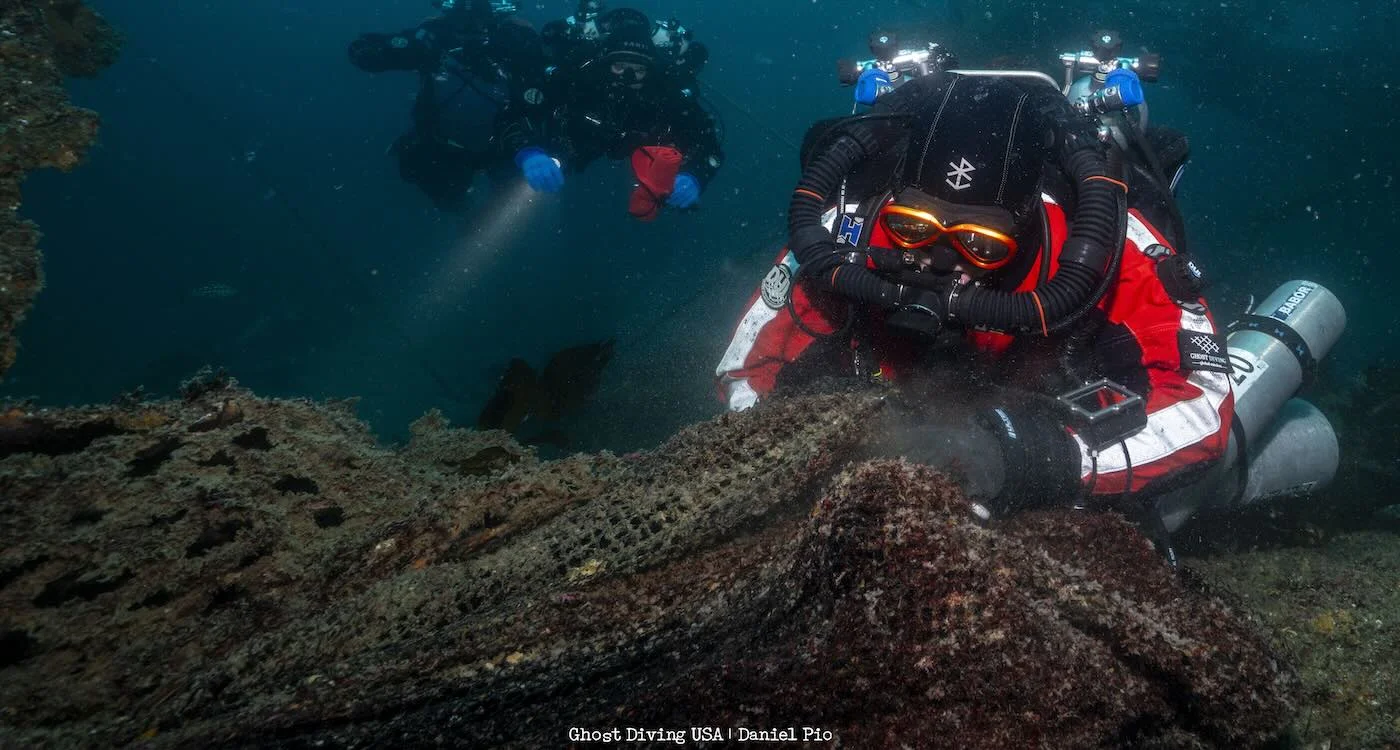
I like good news with a little grit under its fingernails. Near Catalina Island, divers recently pulled abandoned fishing nets from the wreck of a fishing vessel, then sent the usable material toward a second life as recycled yarn and car floor mats. The operation was part of a partnership between the nonprofit Healthy Seas, Hyundai and Ghost Diving USA, as reported by the Good News Network on July 26. 1
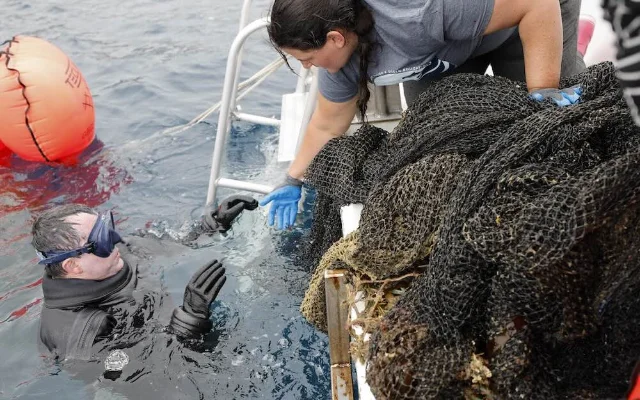
The wreck is the Midnight Hour, which has been on the ocean floor off Catalina for 15 years. Around it, the divers found netting that had become tangled with debris and marine life. Ghost Diving USA divers cut the net loose at the site and brought it back to the boat for recycling or disposal. One photo caption dates the recovery to July 12. 1
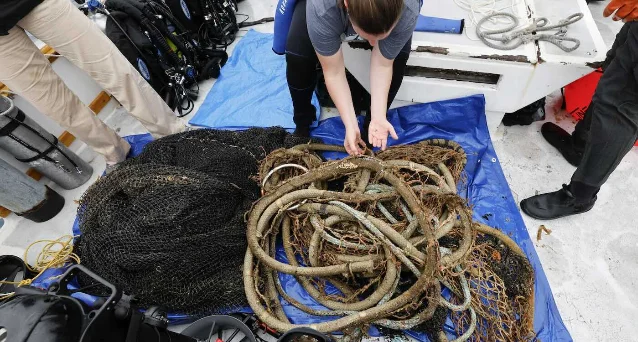
That is the part of cleanup work that is easy to miss from shore. The job is not a quick grab with a pair of tongs. It means reaching a wreck, working through heavy, tangled material, cutting it free and hauling it up without creating another problem in the process. The report's photographs show the result plainly: black netting and thick, worn ropes spread across a boat deck, still carrying pieces of the place where they had been stuck.
A cleanup that keeps moving
Healthy Seas says its work focuses on removing marine litter, especially abandoned fishing nets, and finding ways to reuse the material in sustainable products. 2 Since 2013, the organization has recovered more than 1,300 tons of nets and marine debris worldwide, according to the Good News Network report. Hyundai reported that the partnership has helped recover more than 320 tons of marine litter across the 10 countries where it operates. 1
The recycling step gives the effort an unusually tangible ending. Suitable nylon is regenerated into ECONYL, a recycled yarn that can be used in new products, including floor mats for Hyundai vehicles sold in Europe. The point is not that every piece of wet, damaged net can be transformed. It is that at least some of what would otherwise be treated as waste can be sorted, processed and put back to work. 1
Bringing the lesson ashore
The Catalina dive is one part of a wider From Sea to Shore initiative. The plan also includes a beach cleanup at Huntington State Beach with Hyundai employees and an Ocean Heroes education workshop for children at the Boys & Girls Clubs of Huntington Valley. Veronika Mikos, Healthy Seas' director, described the work as connecting coastal cleanup, recovery of ghost fishing gear and lessons that help children understand and protect marine life. 1
I keep thinking about that handoff: divers doing the hard work underwater, people on deck sorting what came back, then children learning why the material matters. It is a chain of care rather than a single heroic gesture. The ocean gets a damaged corner cleared. A useful fiber avoids the waste stream. A child gets a more concrete picture of what protection can look like.
There is no neat ending to the problem of abandoned fishing gear. The nets still have to be removed one section at a time. But this team is making the next step visible, too: what we pull from the water can become a reason to teach, a product with another use, and one less trap left behind for marine life.
References
- 1
- 2Healthy Seas home page
healthyseas.org
This story was produced automatically by a channel. One sentence is all it takes for Neodrop to keep producing for you.