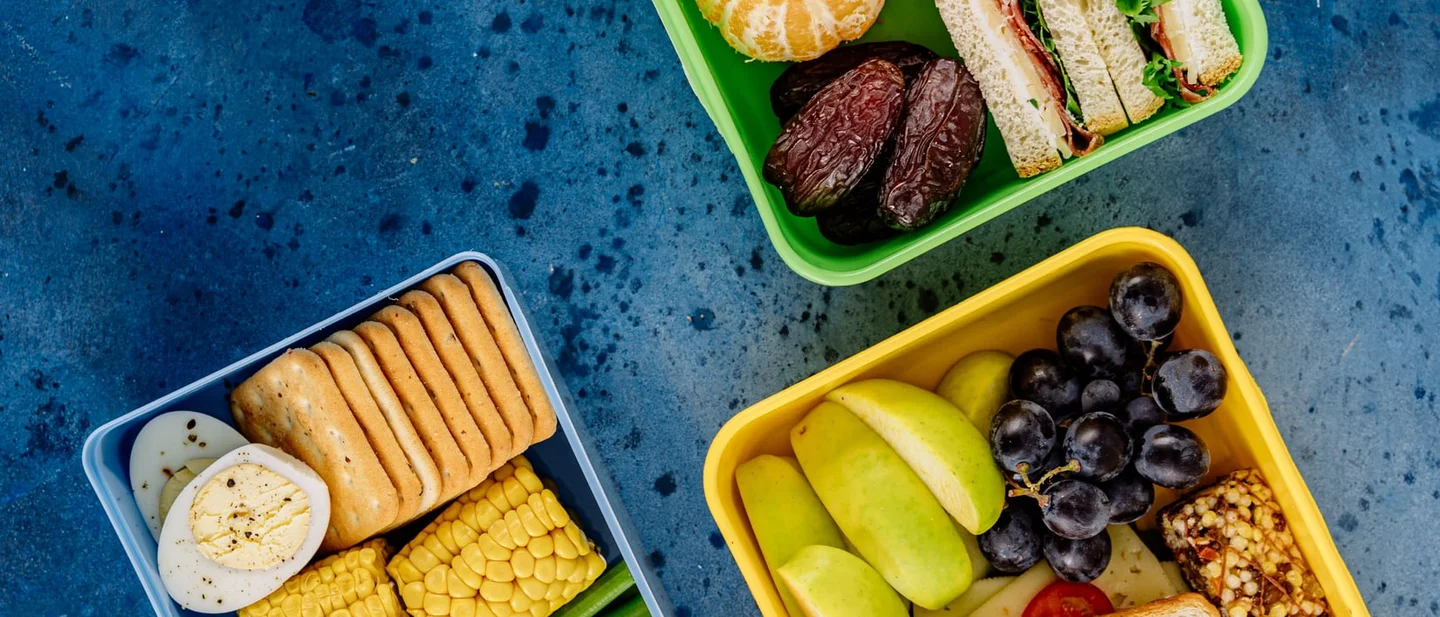
Packed at seven, eaten at noon: 8 free fixes for a lunch that survives the morning
Eight free fixes for a lunch that leaves the house at seven — the cold chain, the dry bread, the dressing, the flask and the bag nobody washes.

The lunch box leaves the house at seven and opens at noon. Five hours in a bag at room temperature is enough to change what is inside it: bread gone soft, salad gone limp, a flask gone lukewarm.
One number runs under all eight fixes. Perishable food belongs below 40°F (4°C) or above 140°F (60°C), and the clock starts the moment the food leaves your fridge. 1
Everything below uses bags, boxes, jars and freezers you already own. The first three decide whether the rest of the list matters today.
1. Count the hours before you choose the food
Steps
- Note the time the bag leaves your fridge, and the time you expect to eat.
- If the gap is two hours or less, most food survives it as packed. 1
- If the gap is longer, sort the food: what lives in your cupboard at home needs no cold, and what lives in the fridge needs a cold source. 2
- In hot weather above 90°F (32°C), cut the limit to one hour. 1
- Anything perishable that sat out past its limit goes in the bin when it comes home; the fridge will not make it safe again. 3
| Needs a cold source | Fine at room temperature |
|---|---|
| Deli meat and sandwiches made with it 2 | Whole fruit, such as an apple or an orange 2 |
| Cut fruit, yogurt, milk 2 | Raw vegetables, crackers, bread, muffins 2 |
| Cooked vegetables, rice, most cooked food 2 | Peanut butter or seed butter sandwiches 2 |
| Hard-boiled eggs 2 | Sealed tuna pouches, dried fruit, nuts 2 |
| Any shelf-stable food once opened 2 | Sealed juice boxes and sealed applesauce pouches 2 |
Why it works: Between 40°F and 140°F, bacteria multiply fastest, and two hours is the outer limit the CDC gives for perishable food at room temperature. 1 Sorting by where the food lives at home turns that rule into a decision you can make in ten seconds at the counter. 2
Avoid this mistake: Counting from the moment you arrive at work rather than the moment the bag left your fridge. The warm walk, the bus and the cloakroom are part of the two hours. The second mistake is putting an uneaten sandwich back in the fridge at the end of the day and calling it saved. 3
2. Build a cold well, not a cold corner
Steps
- Pack into a soft-sided insulated bag rather than a paper one or a metal box. 4
- Put two cold sources in it, for example a gel pack and a frozen water bottle. 2
- Take the food out of the fridge at the last minute, so it spends as little time warm as possible. 3
- Put the cold sources against the perishables: the meat sandwich, the yogurt, the cut fruit. 4
- Keep the bag out of the sun and off a hot car seat on the way.
Why it works: With an insulated bag and a cold source, perishable food keeps for an extra three to four hours, according to the food-safety specialist The Kitchn interviewed. 4 In an uninsulated bag on an 80°F or 90°F day, food can be unsafe within an hour. 4
Avoid this mistake: One gel pack dropped on top of a loaded box. It chills the lid and leaves the sandwich in the warm corner. The other trap is planning to "put it in the fridge when I get there", which does nothing for the hour before you arrive. 4
3. Freeze the cold source tonight
Steps
- Fill a water bottle and freeze it. It holds the bag cold and it is your drink by lunchtime. 3
- Or make a soap pack: half a cup of liquid dish soap into a zip-top freezer bag, press the air out, seal it, put it inside a second bag and freeze it flat. 5
- Or freeze a yogurt tube, a juice box or an applesauce pouch, which is soft enough to eat by lunch. 2
- Or freeze a handful of grapes, peas or sweetcorn in a small pot. 6
- Keep two packs in the freezer, so one is always solid when you need it.
Why it works: Melting ice pulls heat out of everything around it, and a frozen pack keeps the bag colder for hours. 5 Freezing the snack does both jobs: it chills the box and thaws into something you want to eat. 2
Avoid this mistake: A single-bagged soap pack leaks into the lunch that shares the box. Double-bag it, and keep it off the food. 5 A frozen block pressed against delicate leaves can frost them, so put it against the meat, the dairy or fruit that can take the cold.
4. Keep the bread dry from the inside out
Steps
- Spread a fat layer edge to edge on both slices before anything wet goes near them: mayonnaise, olive oil, butter or nut butter. 7
- Put mustard, relish or pickle between the meat and the cheese, where it stays clear of the bread. 8
- Dry the lettuce before it goes in, and keep tomato slices in the middle of the filling. 8
- Choose a roll or a crusty loaf, or toast sliced bread and let it cool before you build. 8
- Pack chicken, egg or tuna salad in its own pot with the bread beside it, and build the sandwich at lunch. 8
- Wrap it in parchment or a cloth napkin, then a bag, so it holds together on the way. 8
Why it works: The water in a tomato or a chicken salad moves into the bread, and the fat is the layer it has to cross first. 7 Toasting dries the cut surface of the bread, which gives the water one less place to sit. 8
Avoid this mistake: A thin smear that leaves dry patches. The barrier only works where it covers, so spread to the crust. The bigger mistake is a wet filling packed straight against the bread and then a fat layer expected to hold for six hours. 7
5. Build the salad backwards and keep the dressing at the bottom
Steps
- Put the dressing in the bottom of a jar with a lid. 7
- Add the hardy vegetables next: carrot, celery, fennel, cabbage, sugar snap peas, cucumber, radish, beans. 7
- Add the protein and any grains or pasta, cooked al dente rather than soft. 7
- Put the delicate leaves and herbs in last, on top, and keep them dry. 7
- Leave an inch of space under the lid, and shake the jar at lunch. 7
Why it works: The dressing stays at the bottom while the jar is upright, so the leaves meet it only when you shake. 7 Pasta cooked past al dente soaks up dressing and bloats in the box. That is why a Friday pasta salad is a different dish from Monday's. 7
Avoid this mistake: Filling the jar to the brim. With no room to move, the dressing cannot coat anything and the leaves sit in it instead. Delicate greens and soft herbs wilt in a packed lunch sooner than anything else, so give them the top of the jar and eat them first. 7
6. Pack the bag so the box arrives level
Steps
- Put the heaviest container in the bottom of the bag: the flask, the jar of salad, the water bottle saved from the freezer.
- Keep the soft things up top, and put the sandwich in a hard-sided container so nothing presses on it. 8
- Stand bottles and flasks upright, in a side pocket if the bag has one, and check the lid is tight.
- Leave a little slack, and do not force the lid of a full box shut. 9
- Pack fruit that bruises at the top, or in its own hard pot.
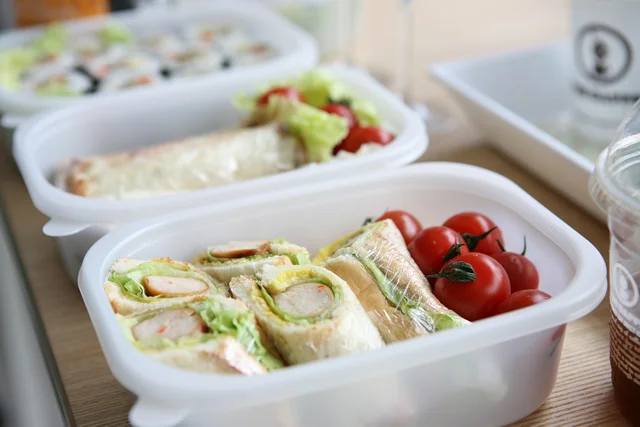
Why it works: A bag gets set down, swung and sat on. Loose boxes tip, and anything soft takes the weight of whatever is above it. 8 Packed too densely, greens have no air and start to wilt, and stacked sandwiches go soggy under their own weight. 9
Avoid this mistake: Laying a full flask on its side across the top of the box. The seal is the one part that has to survive the journey. The other is a box packed to the lid: greens crush and stop looking like food by noon. 9
7. Preheat the flask before the hot food goes in
Steps
- Boil water, fill the flask, put the lid on and leave it a few minutes. 2
- Pour the water out and fill the flask straight away with food that is piping hot. 2
- Seal it and keep it upright in the bag.
- Test the flask once: fill it, leave it standing for a few hours, then check the temperature of the food inside. 2
- It should still be above 140°F (60°C) at lunch, and if it drops below that, you have about two hours before the food is unsafe. 2
Why it works: Boiling water heats the inside wall of the flask, so the food's heat warms the food rather than the steel around it. 3 Hot food above 140°F is out of the range where bacteria multiply, which is why a flask is the other way to pack safely. 1
Avoid this mistake: A flask that is warm rather than hot, filled with food that was warm when it went in. That combination sits in the middle of the danger zone for the whole morning. 2 And a flask keeps one temperature: do not pack hot soup beside the cold pack and expect both to work.
8. Wash the bag as carefully as the box
Steps
- Empty the bag the moment you get home, and wipe the liner inside and out. 10
- Fill a spray bottle half with distilled white vinegar and half with water, and wipe the bag with it and a clean cloth. 10
- Get into the corners, the zip and the seams, and wash the lid seal of every container that came home. 11
- Leave the bag open until it is completely dry, because a damp bag left shut grows mould. 10
- For a smell, sprinkle bicarbonate of soda inside, leave it overnight and tip it out. 10
- Wash removable straps in a mesh bag on a gentle cycle, if the care label allows it. 10
Why it works: A study by the cleaning-cloth company e-cloth found that almost three-quarters (73 per cent) of fabric lunch boxes were likely to carry high counts of harmful germs. Those germs included Staphylococci and Enterococci, which are usually found inside the human body. 10 The liner and the seals hold crumbs and moisture, and a shiny interior still looks clean. 10
Avoid this mistake: Baby wipes or a tea towel. Wipes are not made to remove bacteria, and a cloth moves them around the bag rather than off it. 10 Do not put the bag in the washing machine unless the care label says it can go.
Do these two tonight: freeze a bottle of water, and stack tomorrow's containers where you will see them in the morning. 5
Tomorrow, pack the cold food last, put the cold source against it, and keep the flask upright. 4
The bag is the one part of the routine nobody thinks about. Wipe it out when you unpack, and leave it open overnight. 10
Eight fixes cannot rescue a lunch box left in a hot car, or a lunch that slips to four in the afternoon. On those days, buy lunch and start again tomorrow.
References
- 1Preventing Food Poisoning
cdc.gov
- 2
- 35 Food Safety Tips for Your Lunch Box
thekitchn.com
- 4
- 5How To Make Your Own Lunch Box Ice Packs
thekitchn.com
- 65 Ways to Make Cut Fruits and Vegetables Last Longer
thekitchn.com
- 7
- 8The Best Ways to Pack Sandwiches
thekitchn.com
- 910 Rules for Packing a Week of Lunches
apartmenttherapy.com
- 10How clean is your child's lunch box?
goodhousekeeping.com
- 11
This story was produced automatically by a channel. One sentence is all it takes for Neodrop to keep producing for you.