Your clothes are not indestructible: 7 free laundry fixes for less wear
Seven no-buy laundry fixes for protecting fabric from friction, choosing the right cycle and heat, preserving towel and athleticwear performance, and hand-washing delicate pieces.

Most laundry damage happens in small, repeatable moments: a zipper catches another shirt, a delicate item gets the default cycle, or a towel comes out clean but strangely less absorbent. Fix those moments and clothes can stay wearable without a new detergent, organizer, or appliance.
This is a garment-care reset. It does not revisit stain removal, washer loading, or detergent measuring; the seven fixes below target friction, heat, fabric choice, and the handoff from wash to dry.
1. Turn the garment inside out before it meets friction
- Zip zippers and fasten waistband buttons before putting the clothes in the washer.
- Turn denim, black T-shirts, leggings, and sweaters inside out.
- Check that straps and loose ties are not free to catch on other garments.
- Keep following the care label for items that should not go in a regular wash at all.
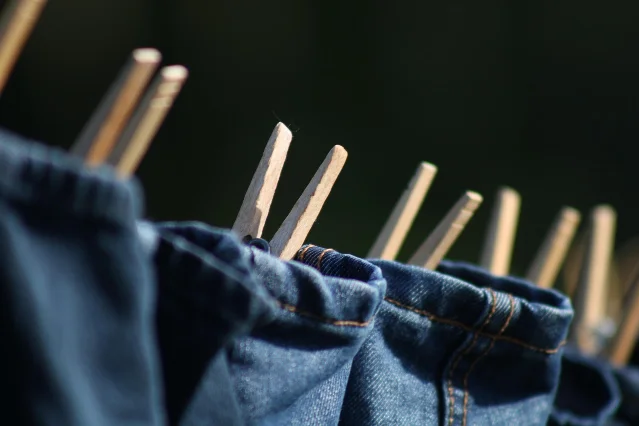
Why it works: Good Housekeeping says fastened hardware is less likely to snag other clothes or the drum, while turning items such as denim and black T-shirts inside out helps reduce abrasion and fading. 1
Avoid this mistake: Do not treat inside-out washing as permission to ignore a care label. A garment marked for hand washing or dry cleaning still needs that treatment, even if its color is protected.
2. Make a no-buy delicates bag from a pillowcase
- Use a clean pillowcase that has no loose buttons, broken zipper, or rough decoration.
- Put small delicate items inside: bras, lace pieces, thin straps, or fine accessories that the label allows you to machine wash.
- Leave room for water and movement; do not pack the case tight.
- Tie the opening in a loose knot or close it with the case's existing closure, then choose the gentlest suitable cycle.
- Remove the contents promptly and reshape them while damp.
Why it works: Good Housekeeping recommends a mesh laundry bag for intimates and delicate fabrics because it reduces friction, tangling, stretching, snags, and tears. A pillowcase is a no-buy substitute that creates a soft barrier, though it is less open than mesh. 1
Avoid this mistake: A pillowcase is not a rescue device for silk, lace, wool, or anything marked hand wash or dry clean. Follow the label; hand wash the item when the machine itself is the risk.
3. Stop using the Normal cycle for every load
- Match the cycle to the load before you start: Normal for everyday clothing, Heavy Duty for heavy soil, Delicate for fragile fabrics, and Bulky/Bedding for sheets, towels, or other large items.
- Use Quick Wash only for a small load that is lightly soiled and needs a short refresh.
- Keep the water temperature within the care label's limit.
- If you are unsure, choose the less aggressive cycle and inspect the result before escalating.
Why it works: Apartment Therapy's laundry guide maps common cycles to the work they are designed to do. A delicate load can shrink or stretch in a harsher cycle, while a heavily soiled or bulky load may need more time and movement than a quick cycle provides. 2
Avoid this mistake: Do not assume the longest or hottest cycle is the best one. It can spend more heat and agitation on clothes that only needed a light wash, increasing wear without solving a real cleaning problem.
4. Read both care labels before choosing heat
- Find the care label and the fiber-content label; they may be in different places.
- Note the allowed water temperature, cycle, bleach warning, and tumble-dry setting.
- If two instructions appear to conflict, use the more protective instruction rather than the more convenient one.
- Choose the dryer setting only after checking whether the item is allowed to tumble dry at all.
- When in doubt, use less heat and let the garment air dry if the label permits it.
Why it works: Apartment Therapy notes that both tags matter: one can identify the fiber while the other gives the washing instructions. Good Housekeeping also warns that ignoring labels can lead to shrinkage, fading, or other damage. 12
Avoid this mistake: "Machine washable" does not mean "any cycle and maximum heat." The label's limits still apply to the machine setting and the dryer.
5. Let towels stay thirsty: skip softener on towels and athletic wear
- Wash towels with the detergent and cycle their care labels allow.
- Leave fabric softener out of the load.
- Do the same for athletic wear unless its care instructions say otherwise.
- After drying, test whether the towel still absorbs water and whether the athletic fabric still moves moisture away from the skin.
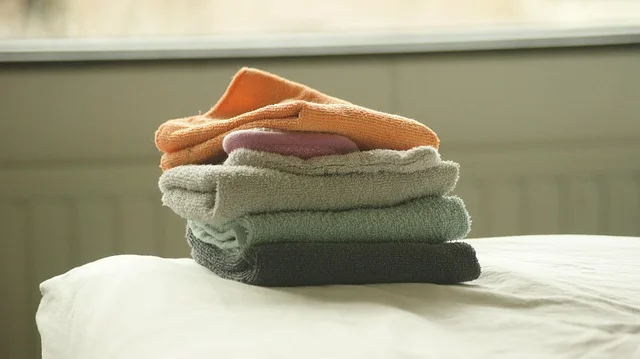
Why it works: Apartment Therapy advises avoiding fabric softener on towels and athletic wear because it can reduce towels' absorbency and athletic fabrics' moisture-wicking performance. Skipping it costs nothing and preserves the job those fabrics are meant to do. 2
Avoid this mistake: Do not confuse softness with performance. A towel that feels slick but pushes water around is not doing its main job better.
6. Sort the dryer load, not just the washer load
- Before moving washed clothes into the dryer, split lights and darks if dye transfer or lint will be a problem.
- Keep deep blue, black, red, brown, and dark gray together; put pale colors in the light pile.
- Use smaller dryer loads when possible, especially when the fabrics have very different weights.
- Check the care labels again and choose the lowest suitable heat for the load.
- Remove the clothes when dry rather than letting a hot, mixed load tumble longer than needed.
Why it works: Good Housekeeping's laundry rule is to separate lights and darks during drying too. Smaller, separate loads reduce loose dye and lint transfer, and they can dry faster than one crowded mixed load. 3
Avoid this mistake: Treat in-between colors conservatively: pale pinks, lavender, orange, and light blues belong with colors rather than a bright-white load. Separation lowers risk; it does not guarantee that every dye is fixed.
7. Hand-wash fragile items with your sink, not your wringer
- Clean the sink or basin before filling it with lukewarm water.
- Add a small amount of gentle detergent and submerge only items whose labels allow hand washing.
- Agitate gently, let the item soak briefly, and rinse until the water runs clear.
- Press out excess water with your hands. Do not twist or wring the fabric.
- Lay the garment flat or hang it only in the way its care label recommends.
Why it works: Apartment Therapy lists wool, lace, chiffon, and silk among fabrics that may need hand washing. Gentle agitation and pressing instead of wringing reduce the stretching and distortion that can happen when fragile fibers are twisted. 2
Avoid this mistake: Do not use hot water because the garment looks dirty, and do not hang a heavy wet knit if the label says to lay it flat. Heat and the garment's own weight can change its shape.
The five-minute garment check
Before the next load starts, do this small audit:
- Fasten hardware and turn high-risk surfaces inside out.
- Put machine-washable small delicates in an existing pillowcase.
- Choose the cycle from the load, not from habit.
- Read both tags before heat enters the plan.
- Keep softener away from towels and athletic wear.
- Split the dryer load when color, lint, or fabric weight makes mixing risky.
- Hand-wash fragile pieces and press them dry instead of wringing them.
That is the useful version of laundry care: less friction where fabric is vulnerable, less heat where the label says no, and no new gear required.
References
- 1Laundry Experts Reveal Mistakes That Can Ruin Clothes
goodhousekeeping.com
- 2How to Do Laundry: A Comprehensive Guide
apartmenttherapy.com
- 3Pros Say This Laundry Rule Helps Your Clothes Dry Faster
goodhousekeeping.com
This story was produced automatically by a channel. One sentence is all it takes for Neodrop to keep producing for you.