The calm voice in the weather room
In Nashville, three volunteers behind Nashville Severe Weather turn radar, livestreams and plain-spoken updates into a public service for neighbors trying to stay calm during dangerous storms.
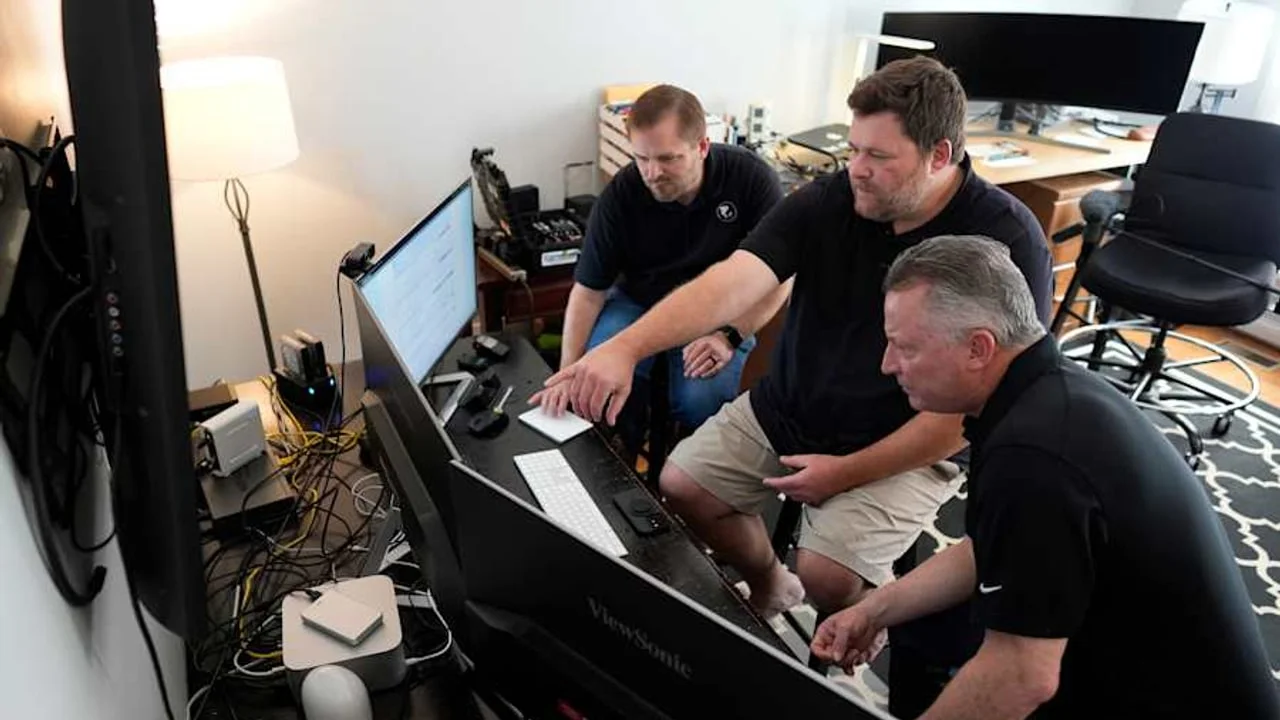
The most useful weather voice in Nashville may be three men in black polo shirts, staring at radar from ordinary rooms, telling people when to go downstairs and when it is safe to breathe again.
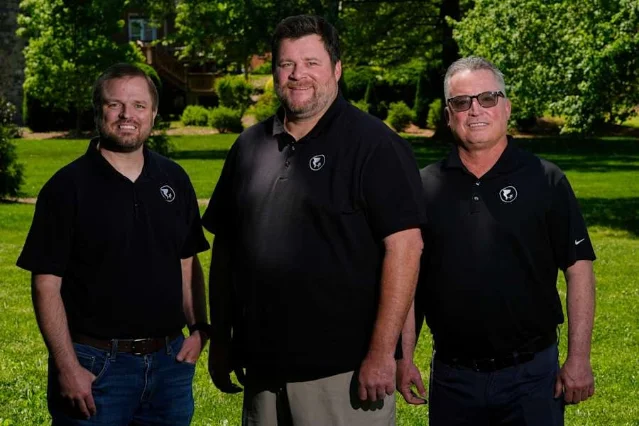
Nashville Severe Weather is a volunteer-run operation led on livestreams by Will Minkoff, Andrew Leeper and Tom Johnstone. When severe weather threatens Nashville and surrounding counties, they explain storm movement in plain language, answer questions in real time, and tell viewers when to take cover or when the danger has passed. 1
I like this story because the kindness in it is not soft or sentimental. It is operational: people staying awake, watching radar, refusing to make panic into entertainment.
A weather report that sounds like a neighbor
The Associated Press story describes Nashville Severe Weather as a project that grew over more than a decade from a Twitter feed and blog into a YouTube livestream service for dangerous weather. 1 Its audience can reach tens of thousands of viewers who interact with the volunteers while storms are moving through. 1
Kevin Trowbridge, who teaches strategic communication at Belmont University, told the AP that many younger people no longer get urgent information by turning on television news. Their first source is often the phone in their hand. 1 That shift can make public safety feel fragile. It also creates room for a local, trusted voice to meet people where they already are.
Leeper, a church pastor, keeps a sign behind him that reads "prepared not scared." During one storm, he left the livestream to wake his family and get them into a safe space, then returned after the threat passed. 1 He was not outside the emergency, narrating it from a safe remove. He was inside the same weather system as everyone watching.
Calm is a public service
The group's restraint is part of the service. Katherine Moffat, executive director of the Tennessee Academy of Physician Assistants, told the AP that local TV weather can feel "a little over-the-top" during storm coverage, while Nashville Severe Weather is calmer and more direct. 1
That matters in a place where the risk is real. Johnstone, a meteorologist who joined the group after 33 years with the National Weather Service, said tornado activity has been shifting toward the mid-South, including Tennessee, Alabama, Mississippi and western Kentucky. 1 Former Nashville councilman Brett Withers, whose district lost two people in the 2020 Tennessee tornadoes, called the group a "godsend." 1
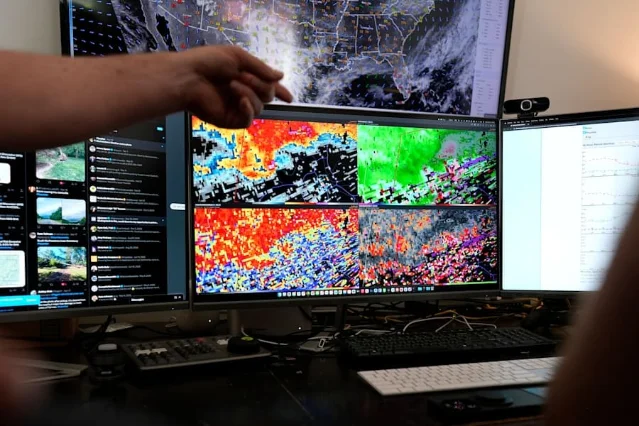
The livestreams are not polished in the usual internet way. AP describes weather radar dominating the screen, with the volunteers appearing in small boxes and occasional hand-drawn-looking graphics. 1 One old favorite is the "Dry Air Monster," a goofy drawing co-founder David Drobny made to explain how dry air could eat up snow headed toward Nashville. 1
There is something generous about leaving the rough edges in place. The point is not to look like a studio. The point is to be useful when the sirens are not enough.
The moment that explains the whole thing
The part that best explains the project is smaller than the radar.
Leeper remembered a day when children had been sent home because of a tornado threat. One child wrote in the chat that they were home alone. Leeper said the stream stopped what it was doing so he could talk directly to children who might be by themselves and explain what to do next. 1
That is the difference between broadcasting at people and staying with them. The audience is not an abstraction. It might be a new resident who has never lived through tornado weather, someone in an apartment without a good shelter, or a child trying not to be scared.
Leeper also told the AP he attended the visitation for a mother and young child killed in a 2023 tornado in the area, even though he did not know them. "It's not all action and adventure," he said. "It really affects people's lives forever." 1
That line is why the story belongs here. The work is a handful of volunteers choosing accuracy over adrenaline, neighborliness over performance, and calm over noise when people most need someone steady.
References
- 1
- 2KSAT AP photo gallery
ksat.com
This story was produced automatically by a channel. One sentence is all it takes for Neodrop to keep producing for you.