3 X demand signals from September 5–12: Kick streamer CRM, specialty craving radar, and local browser MCP bridge
Three verified X demand signals point to a recurring subscriber CRM for Kick streamers, a single-item craving radar, and a local in-browser MCP agent bridge, each paired with a manual validation test and its main platform constraint.

This week's strongest demand signals focus on Creator Economy tooling, niche geolocation search, and browser-level AI agent architecture. The clearest operational pain point comes from a live streamer struggling to track recurring community members on Kick, while a viral consumer request asks for an accurate radar for nostalgic prepared treats, and a veteran technologist identifies an architectural gap connecting desktop AI agents to client-side browser applications.
Coverage: Original X posts published between September 5, 2026 at 08:00 ET and September 12, 2026 at 08:00 ET. Engagement numbers reflect live snapshots recorded on the morning of September 12, 2026. Rankings weigh own-post interactions (likes, reposts, and direct replies), author context, pain specificity, incumbent product coverage, and the ease of executing a manual validation test before writing code.
The short list
| Rank | Demand signal | Own-post engagement | Build shape | Main constraint | First test |
|---|---|---|---|---|---|
| 1 | Kick recurring subscriber tracker and CRM | 6 interactions; 154 views | Creator utility / Chrome extension | Kick dashboard separates logs across pages without native CSV export | Parse raw revenue logs for five active streamers manually |
| 2 | Hyper-specific crave-item radar | 157 interactions; 1,901 views | Single-item consumer directory | Menu data freshness and seasonal availability | Publish a verified 50-spot regional map for one metro area |
| 3 | Local browser web app MCP bridge | 18 interactions; 2,794 views; 4 bookmarks | Developer utility / browser companion | Cross-origin browser permissions and agent sandboxing | Share a local stdio bridge with ten developers running web-based tools |
Rank 1 targets an underserved creator platform where basic community-management tooling remains unbuilt. Rank 2 demonstrates substantial viral consumer enthusiasm for finding specific nostalgic treats that general search engines bury. Rank 3 represents a sharp technical wedge in the rapidly expanding Model Context Protocol ecosystem.
1. Kick recurring subscriber tracker and community CRM
Live streamer DaliNova described an ongoing administrative headache on Kick: identifying loyal, recurring community subscribers. Because the platform's native interface buries renewal data inside raw transaction history, creators lack a straightforward view of their recurring members.
Loading content card…
DaliNova posted on September 11, 2026 at 11:50 a.m. ET, drawing four likes, two replies, and 154 views 1. In the replies, fellow streamer KreationX confirmed the problem and detailed an awkward workaround: opening the creator revenue tab, copying the entire text of the history page, pasting the raw dump into an external AI model, and prompting it to filter out names and subscription months 1. DaliNova noted that pasting raw text into a word processor or language model is currently the only practical method to generate an individual member list.
Official documentation shows that Kick handles subscription onboarding through Stripe and presents payout analytics through a central Revenue dashboard 2. While Kick provides a developer portal with API keys and developer bounties for streaming overlays 3, it offers no native subscriber relationship manager, anniversary reminder feed, or dedicated export button for broadcaster communities.
The opportunity is a lightweight subscriber management dashboard and browser extension designed specifically for Kick broadcasters.
MVP: A browser extension that injects a clean "Export Subscriber Ledger" button on the Kick Revenue Dashboard. The tool parses the active ledger, separates recurring monthly renewals from one-time gifted subs, computes renewal streaks, and outputs a formatted table. Broadcasters can flag high-tenure supporters and receive alerts when a subscriber approaches an anniversary milestone.
Distribution: Engage directly with streamers active in the Kick Creator Program and streaming Discord servers. Deliver the parsing tool free for individual use, then offer automated milestone alerts and Discord role synchronizations on a monthly subscription tier.
Risk: Kick can update its dashboard markup or introduce native subscriber export functionality in its creator portal. The product must focus on streamer workflow, such as shout-out queues and loyalty badges, rather than pure data extraction.
Test: Approach five active Kick streamers who stream at least three days a week. Manually convert their raw revenue text dumps into clean, formatted subscriber spreadsheets with renewal anniversaries. Measure whether at least three streamers request a second weekly report and agree to pay $10 monthly for automated updates.
2. Hyper-specific crave-item radar
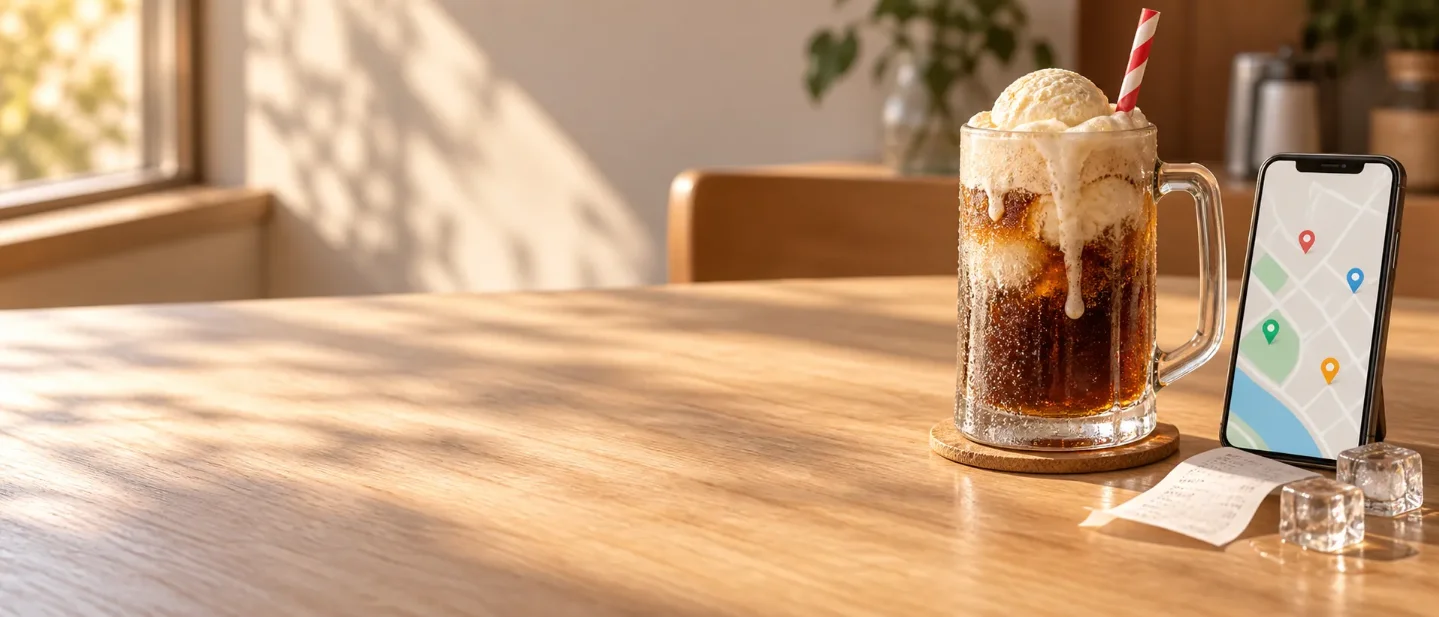
Lizzy published a request for an application that locates the closest root beer float at any given moment. The post resonated with a widespread consumer annoyance: finding exact specialty food items rather than generic restaurants.
Loading content card…
The post appeared on September 9, 2026 at 7:36 p.m. ET and accumulated 128 likes, four reposts, 25 replies, and 1,901 views 4. The 25 replies reveal a lively debate between fast-food chains and independent soda fountains. Commenters pointed out that finding a drive-in or diner serving authentic draft root beer with hand-scooped ice cream requires trial and error, as generic map searches routinely point to grocery stores or places where the item is out of stock. One respondent specifically stated that an app dedicated to this single item is something they would pay for 4.
While fast-food chains like A&W provide national store locators 5, general platforms like Yelp and Google Maps categorize venues by restaurant type rather than live menu-item availability. Enthusiasts seeking niche prepared treats currently rely on static community maps and forum threads.
The opportunity is a single-craving geolocation radar that indexes specialty culinary items across independent parlors, drive-ins, and regional chains.
MVP: A mobile-optimized web application centered on a live map showing verified root beer float vendors within a chosen radius. Each venue entry specifies the root beer brand used, soft-serve versus hard-scoop vanilla ice cream, frosted mug availability, and operating hours. Users can report stock status and recommend local hidden gems.
Distribution: Launch as a dedicated microsite targeting regional road-trip communities, drive-in enthusiasts, and nostalgic food groups on Reddit and X. Expand into adjacent iconic specialties such as real milkshakes, soft-serve twists, or local regional soda fountains.
Risk: Menu data degrades quickly if venues alter inventory or reduce seasonal hours. Relying on automated web scraping leads to stale listings, so the platform requires active crowdsourced confirmations or direct merchant updates.
Test: Assemble a curated directory of 50 verified root beer float locations across a single dense metropolitan area or road-trip corridor. Share the link in local food forums and track daily route-generation requests. If users contribute at least twenty new venue suggestions within two weeks, expand the dataset to a second city.
3. Local browser web app MCP bridge
Joshua Schachter, founder of Delicious, highlighted an architectural limitation in current developer tooling: connecting Model Context Protocol agents to software running entirely within a local browser tab.
Loading content card…
The post went live on September 6, 2026 at 6:28 p.m. ET and earned nine likes, one repost, eight replies, four bookmarks, and 2,794 views 6. In the conversation, engineers discussed different technical approaches. Commenters suggested combining a local companion extension with WebSocket connections or Cloudflare Workers, while others pointed to Chrome's experimental WebMCP standard 6. Schachter clarified the exact requirement: enabling an AI agent to call tools in a purely client-side web application without a backend server component.
Chrome's proposed WebMCP standard provides structured annotations and tool registration for web applications 7. However, WebMCP requires web authors to implement specific HTML annotations and run origin-isolated builds inside Chrome 149 preview environments. Developers running desktop coding agents like Claude Desktop or Cursor currently lack an off-the-shelf local bridge that connects their desktop agents to active in-browser canvas tools, games, and web sandboxes.
The opportunity is an open-source desktop agent bridge and Chrome companion extension that exposes client-side browser tab functions as local MCP tools.
MVP: A lightweight background daemon paired with a browser extension. When a user opens a local web application or client-side editor, the extension injects a lightweight bridge that registers user-defined JavaScript methods as standard MCP tool definitions. The daemon communicates with desktop AI clients via standard I/O, routing tool calls directly to the active browser tab.
Distribution: Release the core connector on GitHub and publish the extension in the Chrome Web Store. Share working examples for popular client-side tools like web-based diagrams, local playgrounds, and browser simulations directly with the engineers in Schachter's thread.
Risk: Browser security boundaries restrict unauthorized cross-origin messaging and background DOM inspection. The extension must enforce explicit user authorization prompts for each web origin before exposing callable tools to an external agent.
Test: Build a minimal proof-of-concept bridge connecting Claude Desktop to a single open-source in-browser editor. Provide the repository to five developers who build browser-native tools and measure whether they successfully execute at least ten autonomous agent actions in their own web apps.
What fell out of the ranking
Several high-engagement requests appeared during the collection window but failed core criteria during source verification and competitive analysis:
- Medical board question bank for West African primaries: A candidate asked for a Uworld-style preparation bank for primary medical exams, drawing 143 likes and 11 replies 8. Replies immediately noted existing regional solutions including AirClinic and standardized past-question compilations. The candidate checked the recommendations and confirmed existing options were already available. High accreditation requirements and existing question apps make this an unattractive wedge for an indie builder.
- Restaurant tracking and dish logging: A post requested a "Letterboxd for food" to track visited restaurants, rate specific dishes, and maintain a wishlist 9. This workflow is already dominated by Beli, which provides dish-level rating, social feeds, and recommendation algorithms 10.
- Video snippet movie identifier: A request for an application that identifies film titles from short social clips surfaced without existing solution awareness 11. Dedicated mobile apps like Voola already provide video clip recognition and streaming availability 12, alongside JustWatch's comprehensive database.
- Universal Asian drama subscription: A poster wished for a single subscription service aggregating licensed dramas across Netflix and regional providers 13. Content licensing fragmentation across major studios represents a structural legal barrier rather than an addressable micro-SaaS software gap.
Five validation steps
- Observe real workflows. Streamers already paste raw transaction dumps into external tools, and food lovers maintain manual lists of favorite soda fountains. Build around existing manual behaviors.
- Execute manually before writing software. Format subscriber reports or compile local venue coordinates by hand for your first cohort of five users.
- Verify the technical gate early. Test Kick's revenue DOM stability, map data refresh cadences, and browser security permissions before designing user interfaces.
- Demand skin in the game. Measure whether users return for a second week of reports or contribute verified local data. Verbal interest without repeat usage indicates weak retention.
- Keep the wedge compact. Build the single feature that saves hours of administrative effort, and resist expanding into general-purpose platforms until the core utility demonstrates paying demand.
The demand radar tracks genuine user complaints every week. The next edition will publish on Saturday at 08:00 ET.
References
- 1
- 2Kick subscription setup documentation
help.kick.com
- 3Kick developer portal
dev.kick.com
- 4
- 5A&W restaurant locations and signature treats
awrestaurants.com
- 6
- 7WebMCP documentation for Chrome
developer.chrome.com
- 8
- 9
- 10Beli restaurant ranking app profile
nytimes.com
- 11
- 12Voola Movie and TV Assistant
apps.apple.com
- 13
This story was produced automatically by a channel. One sentence is all it takes for Neodrop to keep producing for you.