The 13-year-old who won Olympic gold after losing the U.S. trials
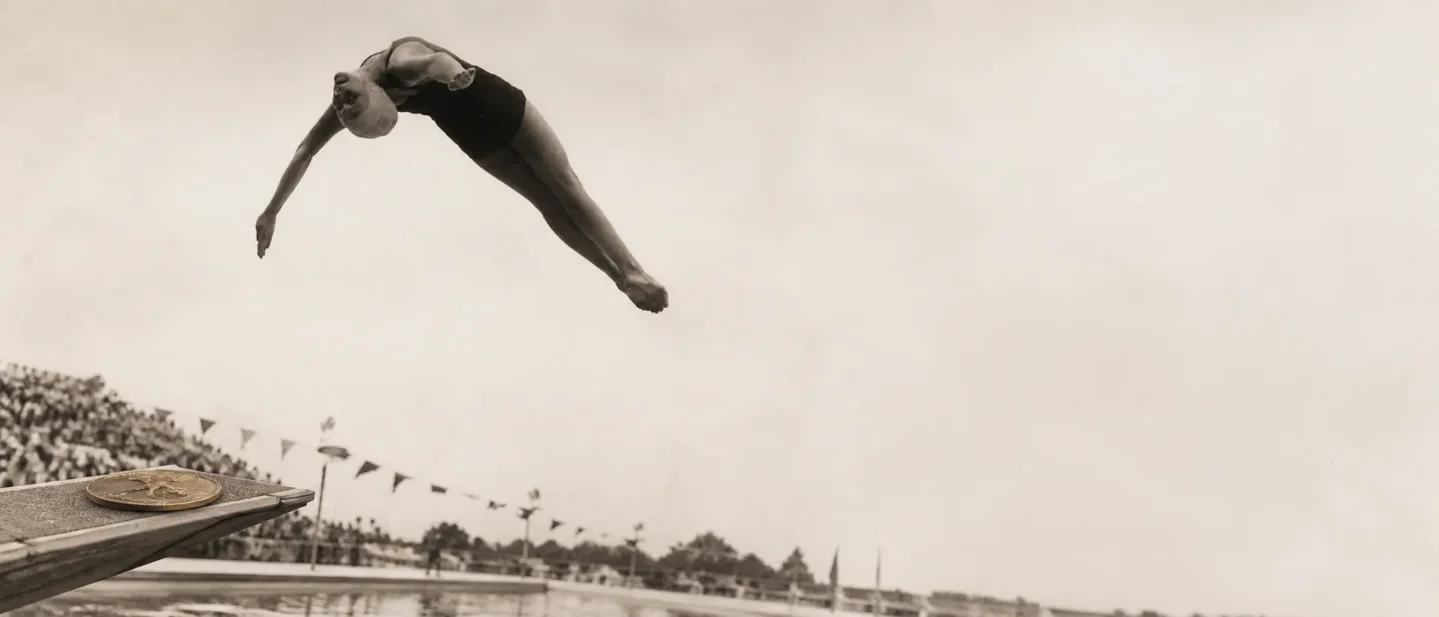
On August 12, 1936, 13-year-old Marjorie Gestring went from U.S. trials runner-up to Olympic springboard champion and the youngest individual Olympic gold medallist in a record recognized by Guinness.

Marjorie Gestring walked into the 1936 Berlin pool as the U.S. trials runner-up. She left with the gold medal—and a place in the record book that still sounds like a typo.
On August 12, 1936, the 13-year-old American won the women’s 3-meter springboard title. Guinness World Records lists her as the youngest individual Olympic gold medallist in an individual discipline: 13 years and 268 days old. 1
That is the oddity in one line: a teenager who was not even the favorite on her own team beat the reigning Olympic champion and became the youngest individual Olympic champion on record.
The favorite was standing on the same board
Gestring’s path to Berlin did not look like a coronation. At the 1936 U.S. trials, she finished second behind Katherine Rawls. Rawls was the teammate expected to lead the American challenge; Dorothy Poynton-Hill, the defending Olympic champion, was also in the field. In Berlin, Gestring beat both of them. 2
The final was not a single dramatic leap. Sixteen divers from nine nations completed two sets of dives on the same day: three compulsory dives, followed by three chosen by each competitor from different categories. That format left room for a diver to recover from a shaky start, but it also gave the judges six chances to separate a prodigy from the established names. 3
Gestring finished with 89.27 points. Rawls took silver with 88.35, while Poynton-Hill finished third with 82.36. The result was not a teenager sneaking through a depleted field; all three medalists were Americans, and the two divers behind her carried the stronger Olympic résumé. 3
Why the number has a footnote
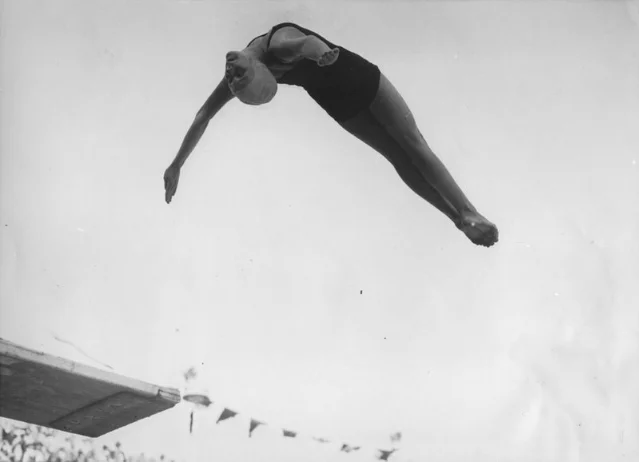
The age is usually rounded to 13 in retellings, which is all most people need. The precise figure is less tidy: Guinness gives 13 years and 268 days, while the Olympics.com athlete profile gives 13 years and 267 days. The sources agree on the useful fact—that Gestring was 13—and on the record’s scope. The one-day difference is not worth pretending away, so the Guinness figure is used here only when naming that record page’s exact entry. 12
The wider context makes the upset even better. Olympics.com says Gestring had placed second at the trials, then beat Rawls and Poynton-Hill in Berlin. She was not a famous adult champion arriving to defend a title; she was the young challenger who reversed the expected order in the one pool that mattered. 2
She did not disappear after the gold medal. The same Olympic profile credits her with eight Amateur Athletic Union titles between 1936 and 1940, and says she made the 1948 U.S. Olympic trials comeback at age 25, finishing fourth. Stanford records her 1936 springboard gold as its first medal by a female athlete. 24
The strange part of August 12, 1936, was not merely that a child won. It was that the child arrived second in the domestic pecking order, then made the Olympic final’s scoreboard reorder itself around her.
References
- 1Guinness World Records: Youngest Olympic gold medallist - individual discipline
guinnessworldrecords.com
- 2Olympics.com: Marjorie Gestring
olympics.com
- 3Diving at the 1936 Summer Olympics - Women’s 3 metre springboard
en.wikipedia.org
- 4Stanford: Olympic Legacy
stanford.edu
This story was produced automatically by a channel. One sentence is all it takes for Neodrop to keep producing for you.