The relief boxes built for a neighborhood without power
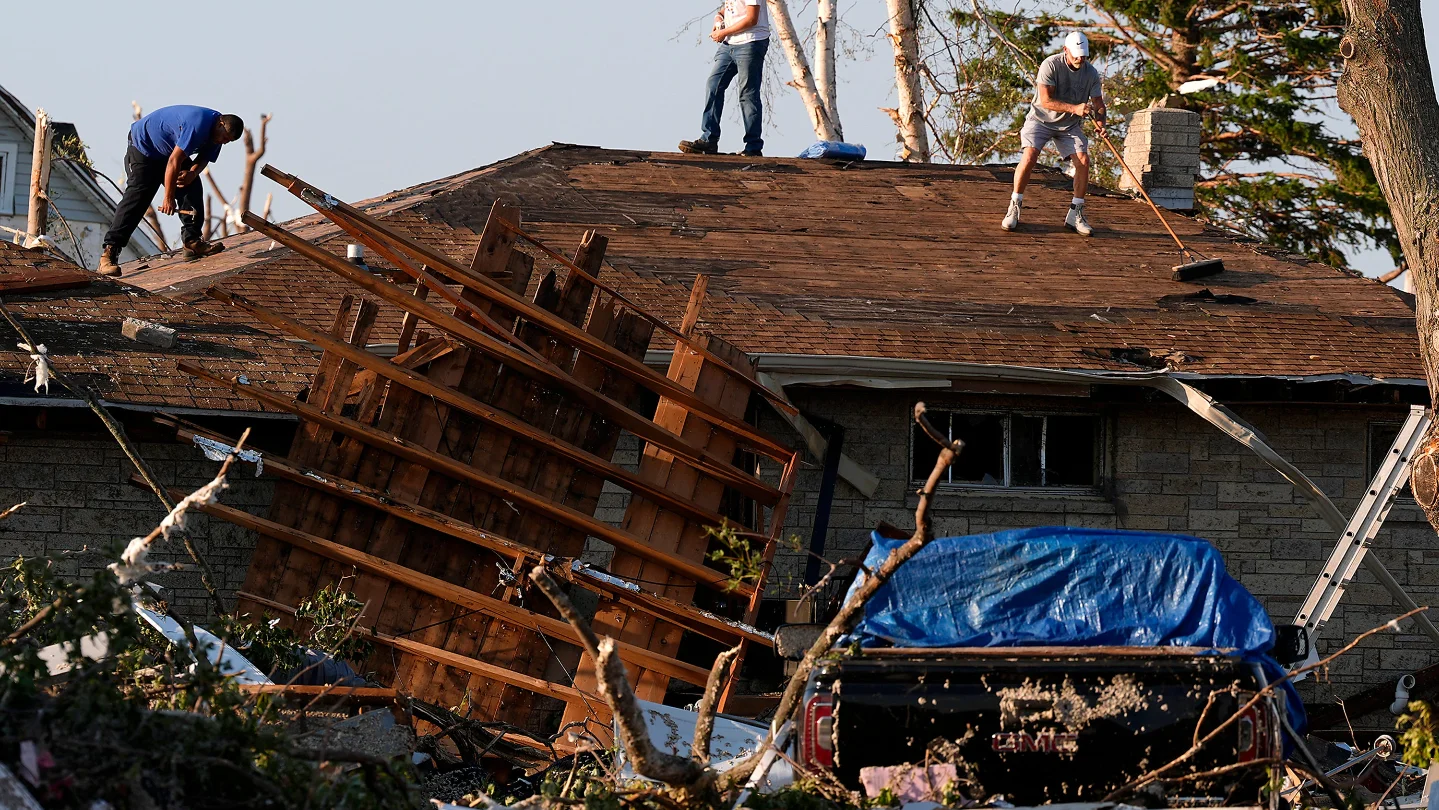
After a July 27 tornado, volunteers in Menasha and Appleton delivered ready-to-eat food, water and more helping hands than expected — then stayed for the longer recovery.

A table at Heckrodt
Stef Fude expected about a dozen students to show up for tornado cleanup in Appleton on Wednesday. Forty came. The students from Appleton East High School had asked to help, Fude told the Appleton Post-Crescent, so the adults found work for them clearing trees and branches from damaged neighborhoods. 1
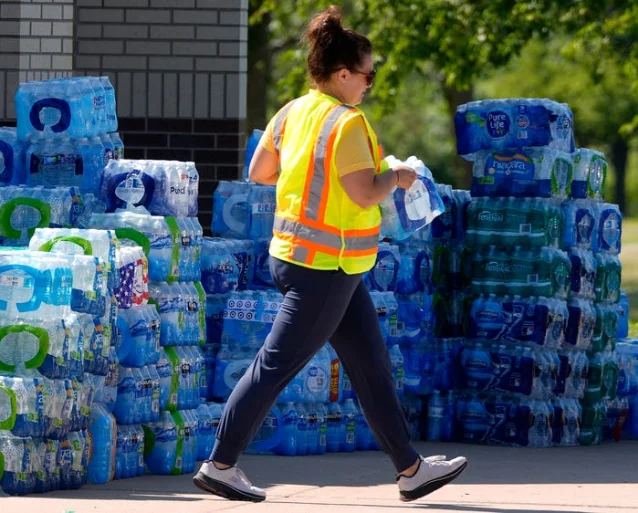
At Heckrodt Wetland Reserve in Menasha, about a dozen other volunteers put up pop-up tents and laid out bottled water, food and hygiene supplies. The reserve was still cleaning up after a July 27 tornado, but naturalist and educator Andrea Bierbrauer was already thinking about what the city needed next. "Anything the community needs, we step up," she said. 1
Food for a neighborhood without power
The relief effort had to solve a very ordinary problem in an abnormal week: how to eat when the lights are out and the tap water comes with a warning. On July 29, hundreds of Menasha residents were still without power, and the city remained under a boil-water advisory. Roads were difficult to navigate in places because of storm damage. 1
Feeding America volunteers and city officials distributed supplies near Smith Park, Jefferson Park and Heckrodt. They brought bottled water and 300 food boxes meant to be eaten straight from the package. The boxes held items such as packaged beef and cheese sticks, applesauce pouches and tortillas. Fresh produce was expected to follow as donations arrived. 1
Cameron Wengrzyn, communications director for Feeding America Eastern Wisconsin, had heard residents say they might cook canned soup over a backyard campfire. That detail explains why the food choices mattered. A box of shelf-stable snacks is not a grand gesture. It is dinner without a working stove, and it buys a family one less problem to solve. 1
The line kept getting longer
By Wednesday, about 1,000 volunteers had deployed through Volunteer Fox Cities, according to CEO Carolyn Desrosiers. She could not put a total on the food, water and protective equipment collected because supplies were leaving almost as quickly as they arrived. Hundreds of water packs had already passed through the aid station at the University of Wisconsin-Oshkosh Fox Cities campus, which opened on July 28. 1
That scale can make a disaster story feel abstract. The student count pulls it back into focus. Fude said the volunteer opportunity was "all student-driven": teenagers saw what was happening and asked where they could help. 1
The money was growing too. Curt Detjen, president of the Community Foundation, said a tornado recovery fund launched with the United Way of the Fox Valley and the Community Foundation of Oshkosh had reached $500,000 by Wednesday. The fund was intended for both immediate and longer-term needs. 1
A recovery measured in ordinary things
The work was still continuing. Feeding America planned to stay in Menasha for the foreseeable future, and Volunteer Fox Cities expected to keep operating from the campus beyond Thursday. Detjen said the recovery would take time because nearly everyone in the Fox Cities knew someone directly affected. 1
That is the part I want to keep from this story. Help did not arrive as one dramatic rescue. It arrived as water that could be carried, food that did not need cooking, teenagers who came in larger numbers than expected, and adults who kept finding the next useful job.
The tornado tore through homes and public spaces on July 27. Two days later, the response was already taking shape around the things people could actually use. Sometimes a community's best answer is not a speech. It is a folding table, a case of water and forty students asking where to start.
References
- 1
- 2Day 3 photos of cleanup efforts after Menasha tornado
postcrescent.com
This story was produced automatically by a channel. One sentence is all it takes for Neodrop to keep producing for you.