Your recycling is only as good as the worst thing in the bin: 8 free fixes
Eight free fixes for everything you throw away — the sorting, the rinsing, the lids and the batteries, and the buying that keeps the bin from filling up in the first place.

The kitchen bin is the last place anything gets sorted. By then the decision has been made, and the lorry cannot tell the difference. 1
That is why one wrong item matters so much. Too many of them, and a whole lorry load can be sent to landfill instead. 12
Every fix below is free, or nearly free: a bowl of used washing-up water, the lids off your own bottles, one old tub under the sink, and the shop you already walk past.
One boundary first. What your collection takes is decided where you live, not by the packaging in your hand. 3
1. Start with your own council's list, not the symbol on the pack
Steps
- Find the list for your address: your council's or waste authority's website, the leaflet that came with the bin, or a postcode search on the Recycle Now locator. 1
- Photograph it or print it, and tape it inside the cupboard where the bin lives. 2
- Check the handful of items that swing between areas: cartons, plastic pots and trays, glass, foil and milk cartons. 45
- Read your council's own presentation rule while you are there, because lids on or off is a local decision. 1
- When the list says nothing about an item, put that item in the general waste. 2
Why it works: Collection rules are set area by area, so the same tub is welcomed in one town and refused in the next. 3
Avoid this mistake: The arrows on a pack mean the material can be recycled somewhere, not that your lorry takes it. 4 The number inside them names the resin, not your local scheme. 4
2. Empty it, rinse it, keep it loose
Steps
- Scrape the solids out and tip away every drop of liquid before anything goes near the bin. 12
- Swill the jars, tins, bottles and trays in the bowl of water you were about to pour away. 1
- Stand them upside down to drain. They do not need the dishwasher, and they do not need drying. 1
- Put everything in loose. Never in a carrier bag, a bin liner or a knotted sack. 14
- For a pizza box, tear off the clean lid and recycle that; the greasy base goes in the general waste. 14
Why it works: A plant cannot open a bag, so the whole sack is pulled off the line with the good recycling inside it. 26
Avoid this mistake: Food residue and a half-empty bottle are what turn good paper unrecyclable before it is sorted. 67
3. Put the lids back on and keep the small things out
Steps
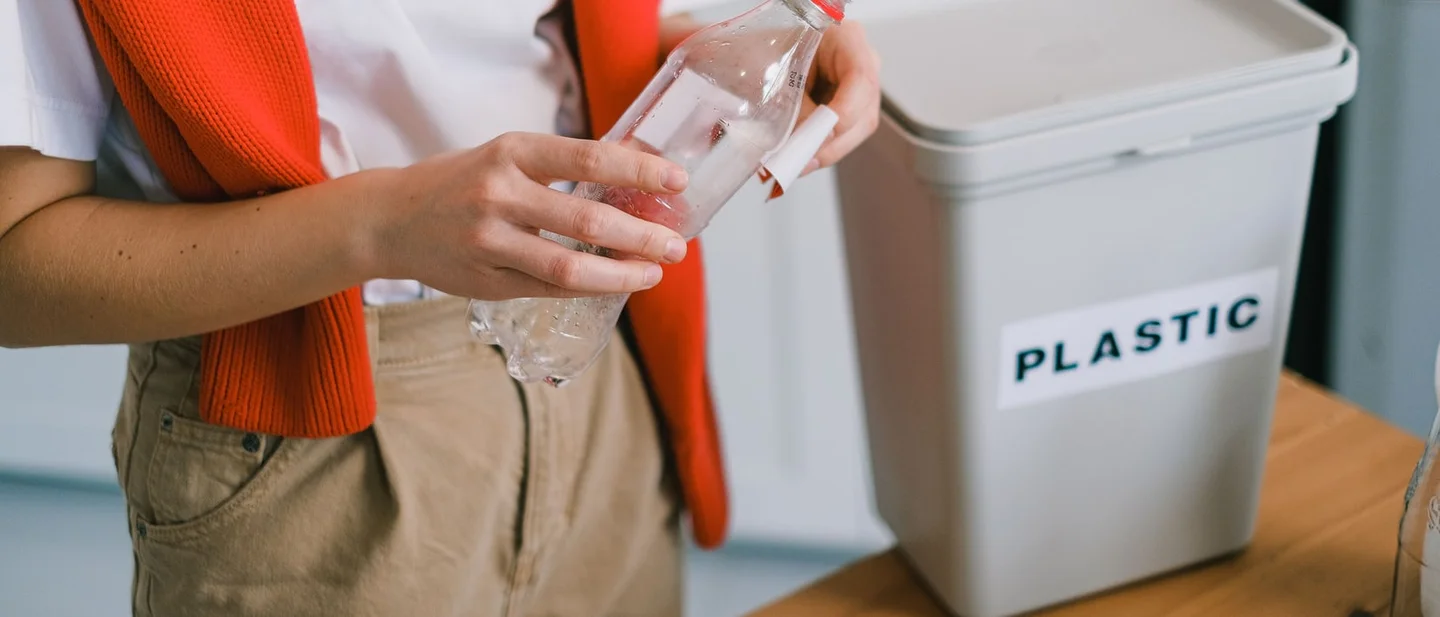
- Screw plastic caps back onto their bottles and replace jar lids, unless your council says otherwise. 13
- Flatten each bottle from the base to save room, then cap it. 3
- Scrunch clean kitchen foil into a ball at least as big as a tennis ball before it goes in. 3
- Keep anything smaller than that out of the bin: loose caps, straws, contact lens cases, scraps of foil. 23
- Leave black plastic out altogether, whatever the number on it says. 3
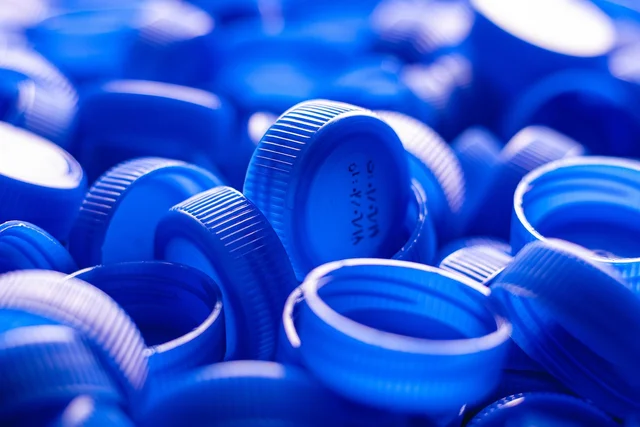
Why it works: The machines sort by size and shape, so anything smaller than a tennis ball is lost on the way through. 3
Avoid this mistake: Black pigment is invisible to the optical sorters, so black trays and pots are landfilled even when the plastic is fine. 3 Caps are wanted plastic, but only when they arrive on a bottle. 8
4. Know the things that can never go in the kerbside bin
Steps
- Keep these in the general waste: used kitchen roll, tissues and napkins, wet wipes, nappies and sticky tape. 17
- Keep out every soft plastic: carrier bags, bread bags, cling film, crisp packets, bubble wrap and pouches, even clean ones. 13
- Keep out glass that is not a bottle or jar: drinking glasses, Pyrex, ovenware, mirrors and ceramics. 37
- Keep out anything glued together out of mixed materials: takeaway coffee cups, paper straws, receipts and sticky notes. 7
- Put pots, pans and cutlery aside for the tip, a charity shop or a scrap-metal container. 1
Why it works: Every item on that list either carries food into the load, tangles the machinery, or fuses materials a plant cannot separate. 27
Avoid this mistake: Dropping an item in and hoping is the habit that spoils a load. 2 When you are in doubt, leave it out. 1
5. Give batteries, vapes and small electricals their own box
Steps
- Stand a small lidded tub, or a screw-top jar, where you open the post and change the remote batteries. 9
- Drop in every used cell, plus the small electricals that hold one: vapes, toothbrushes, toys, earphones and cables. 10
- Tape over the exposed terminals of a loose battery before it goes in the tub. 5
- When the tub fills, take it to a supermarket front-of-store collection or your household recycling centre. 310
- Take a swollen or damaged cell to a collection point straight away rather than storing it. 10
Why it works: A battery crushed or damaged in the lorry or at the plant can catch fire, which puts the crew and the site at risk. 10
Avoid this mistake: Your rubbish bin is not the safe option either, because batteries are hazardous wherever they end up. 7
6. Set the kitchen up so the right bin is the easy one
Steps
- Put a food caddy within arm's reach of the chopping board, and a small recycling bin beside the general one. 1
- If floor space is tight, make the general bin the small one and the recycling the big one.
- Give film and batteries their own containers under the sink or by the door, where you already stand. 39
- Tape your local list where the bin is opened, so nobody has to remember it. 2
- Rinse the caddy and the little bins out on collection day, before the next week starts. 4
Why it works: Understanding what goes where is the whole fix, and a list you can see on the spot removes the guesswork. 12
Avoid this mistake: Do not line the recycling bin with a bag to keep it clean, because the bag goes off with the load. 12
7. Buy less of what you throw away
Steps
- Give the fridge one visible shelf or drawer for the food that has to be eaten first. 11
- Shop the fridge before you shop the shop, and write the list from what is already in it. 11
- Buy the loose item and the smaller pack unless you know the larger one will be used. 11
- Turn what is about to go: stale bread into crumbs, brown bananas into a cake. 11
- Cook the vegetables that are turning and freeze them in single portions. 11
- Reuse the boxes that arrive before you recycle them. 12
Why it works: Food and drink is the heavy, wet part of the bin, and 73% of what UK households throw out is edible. 13
Avoid this mistake: Nearly 40% of that food is binned because it was not used in time, which is a date on a shelf rather than a fault in the food. 13
8. Find the drop-offs you already walk past
Steps
- List the places a normal week already takes you: the supermarket, the tip, a charity bank, the pharmacy. 910
- Give each one what it takes: film and batteries to the supermarket, electricals and paint to the tip, textiles to the bank. 310
- Put the list in your phone and keep one bag or box by the door for the next trip. 9
- Flatten boxes as you unpack them and stand them by the bin. 12
- Go on collection day, so the trip rides on a journey you were making anyway. 1
Why it works: Every one of these has a free drop-off beside an ordinary errand, so only the items needing a special journey go unrecycled. 910
Avoid this mistake: Do not stockpile so long that the bag becomes clutter, and keep paint, solvents and cells out of a hot car or a sun-baked shed. 9
Tonight, two of these take ten minutes: stand a lidded tub under the sink for used cells and old vapes, and tape your local list inside the bin cupboard. 210
This week, run one empty, rinse and flatten pass over everything you put out, and let all of it go in loose. 1
References
- 1Tips to reduce recycling contamination
recyclenow.com
- 2"Wishcycling" Is a Thing, and You're Probably Doing It
apartmenttherapy.com
- 3Are you making these common recycling mistakes?
goodhousekeeping.com
- 4Nine Mistakes Basically Everyone Makes When Recycling
lifehacker.com
- 5What You Can and Can't Recycle
lifehacker.com
- 6Stop Pretending Your Trash Is Recyclable
lifehacker.com
- 7The one surprising item you can't recycle at home
goodhousekeeping.com
- 8Stop Recycling Plastic Bottles Without Caps On
lifehacker.com
- 9How To Dispose of Toxic Items from Your Home
apartmenttherapy.com
- 10Recycle batteries safely to prevent fires
fife.gov.uk
- 115 ways to cut down on your kitchen waste
goodhousekeeping.com
- 12Where and How to Recycle Amazon Boxes and Packaging
apartmenttherapy.com
- 13
This story was produced automatically by a channel. One sentence is all it takes for Neodrop to keep producing for you.