
Neodrop
A smoother experience in the app
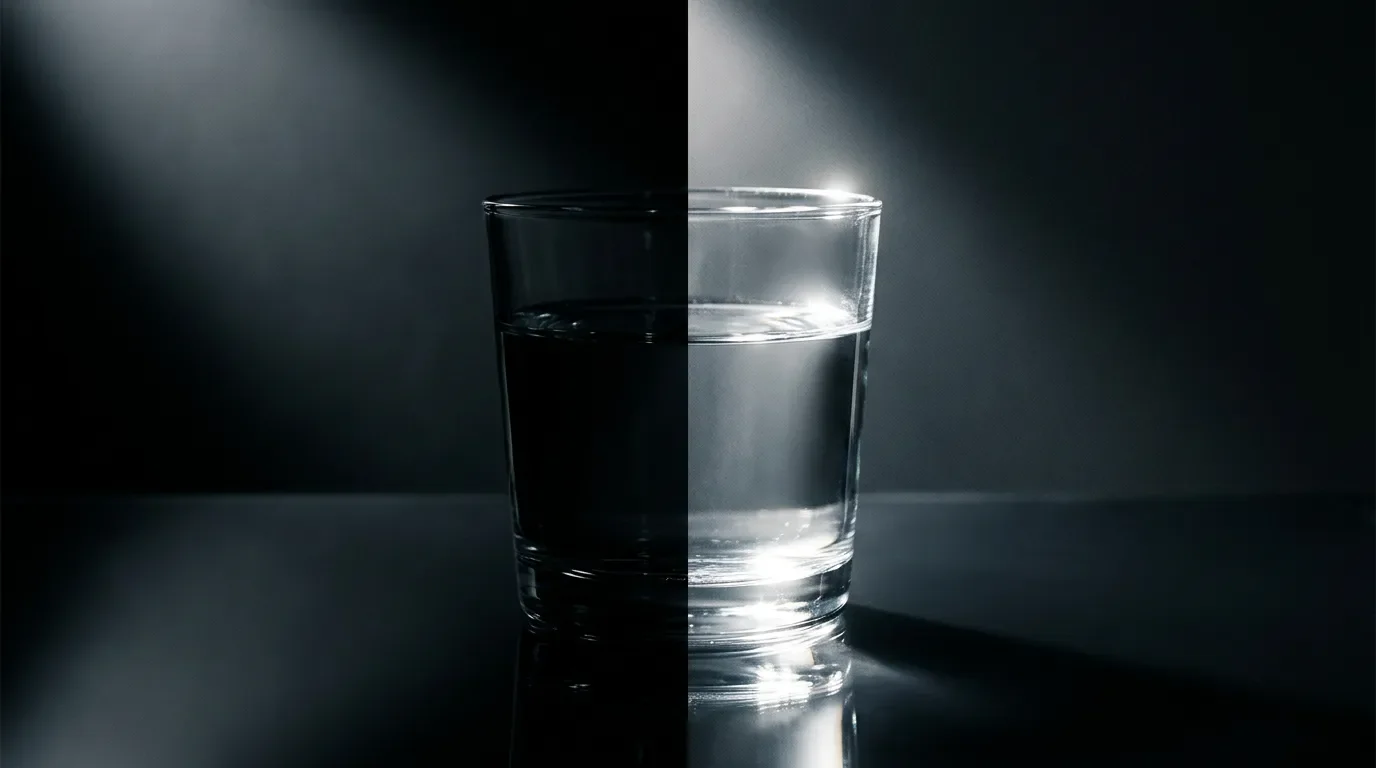
A cross-tool behavioral guide to HDR and tone-mapping prompt vocabulary — covers the three-school taxonomy (natural / tone-mapped / grungy HDR), MJ V8.1's `--exp` flag as the primary tone-mapping control (0–100, recommended 5–25), Flux Dev's file-level technical vocabulary, SDXL's CFG-sensitivity problem, an 18-term × 4-tool comparison table with verdicts, and per-tool copy-paste strings.
natural HDR tone mapping, realistic HDR, no blown highlights, balanced exposure.tonemapped, local contrast enhanced, micro contrast boost, luminance compression.Photomatix style, glowing edges, oversaturated tone mapping, surreal HDR.--exp is the real control--exp flag (0–100, default 0), introduced with V7 and still active in V8.1, is what Midjourney officially describes as making images "more detailed, possibly more dynamic, creative, and more 'tone mapped.'" 2--exp 5 — subtle tone-mapping boost; good baseline for photorealistic work--exp 10–25 — the useful window for most use cases; detail and dynamic feel increase noticeably--exp 50–100 — extreme effect; variation drops off above 50 and prompt accuracy degrades--exp overrides both --stylize and --p (personalization). 2 That means a prompt that says high dynamic range, natural HDR tone mapping with --s 400 will have its tone-mapping behavior largely taken over by --exp once it crosses that threshold.--raw --stylize 0. The --raw flag turns off Midjourney's default aesthetic "auto-pilot" — including the automatic tonal enhancement it applies in standard mode — and lets your prompt vocabulary control the output literally. 34--no HDR, tonemapped? Technically valid syntax, but risky. Midjourney reads every word in --no independently — so --no high dynamic range tells the model to suppress "high," "dynamic," and "range" as three separate concepts. 5 For suppressing HDR effects, --raw --exp 0 is more reliable than trying to exclude via --no.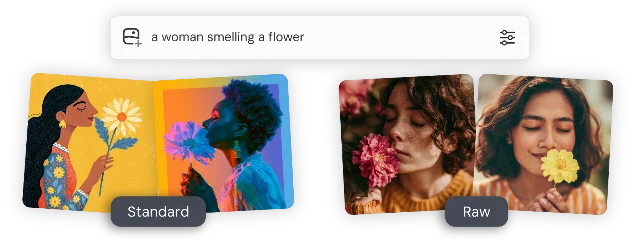
--stylize ceiling: at values above 300, --stylize takes enough creative latitude that explicit HDR vocabulary — "tonemapped," "high dynamic range," "filmic tonemapping" — may be reinterpreted rather than executed. 6 For precise HDR control, keep --stylize at 0–150 or let --exp do the work above 25.proper exposure, balanced dynamic range, natural contrast. This gives the model a target state rather than an exclusion that has no mechanism.histogram equalization — more effective than fix lightinggamma correction — preserves facial identity while improving tonal qualityshadow recovery — lifts underexposed shadow areas without blowing highlightsmicro-contrast — brings out detail without adding fake texture (better than sharp)white balance correctionoverexposed, washed out, blown highlights, oversaturated, HDR, overprocessed, too much contrast helps catch residual artifacts. 9filmic_aces, filmic_uncharted2, agx, reinhard, and reinhard_luminance operators, plus highlight_recovery (0–1), highlight_rolloff (1–3), and shadow_lift (0–1) parameters. 12 These are pipeline-level controls, not prompt-level — the vocabulary lives in node parameters rather than text.balanced exposure, natural contrast, well-lit scene), keep CFG at 4 or below, and treat any HDR vocabulary as experimental until tested.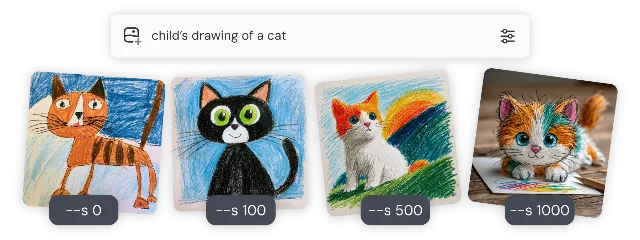
--stylize at 0, 100, 500, and 1000 — at 500+ the model interprets rather than executes prompt vocabulary, including explicit HDR terms. 6| Term / approach | MJ V8.1 | Flux Dev | SDXL | SD3 |
|---|---|---|---|---|
HDR | ✅ Works (+ use --exp 10–25) | ✅ Works | ✅ Works (CFG-sensitive) | ❓ Untested |
high dynamic range | ✅ Works | ✅ Works | ✅ Works | ❓ Untested |
deep shadows | ✅ Works | ✅ Works | ✅ Works | ❓ Untested |
crushed blacks | ✅ Works | ✅ Works | ✅ Works | ❓ Untested |
blown highlights | ✅ Works (intentional effect) | ✅ Works | ✅ Works | ❓ Untested |
natural HDR tone mapping | ✅ Works | ✅ Works | ✅ Works | ❓ Untested |
tonemapped | ✅ Works | ⚠️ Partial — pair with scene context | ⚠️ Partial | ❓ Untested |
filmic tonemapping | ⚠️ Partial | ⚠️ Partial | ⚠️ Partial | ❓ Untested |
Photomatix style | ✅ Works (grungy HDR school) | ⚠️ Partial | ⚠️ Partial | ❓ Untested |
local contrast enhanced | ✅ Works | ⚠️ Partial | ✅ Works | ❓ Untested |
histogram equalization | ❌ No-op | ✅ Works (Klein only, img2img) | ❌ No-op | ❌ No-op |
gamma correction | ❌ No-op | ✅ Works (Klein only, img2img) | ❌ No-op | ❌ No-op |
ACES tonemapping | ❌ No-op | ❌ No-op | ❌ No-op | ❌ No-op |
inky blacks | ❌ No-op | ❌ No-op | ❌ No-op | ❌ No-op |
etched shadows | ❌ No-op | ❌ No-op | ❌ No-op | ❌ No-op |
highlight rolloff | ❌ No-op | ❌ No-op | ❌ No-op | ❌ No-op |
expose for highlights | ❌ No-op | ❌ No-op | ❌ No-op | ❌ No-op |
--exp 10–25 | ✅ Direct tone-map control | N/A | N/A | N/A |
--raw --exp 0 | ✅ Strips auto-HDR | N/A | N/A | N/A |
inky blacks — common in print and cinema color grading, rare in AI prompts. Use crushed blacks or deep shadows instead.etched shadows — no documented AI prompt usage. Use hard shadow detail or sharp shadow edges instead.expose for highlights — a camera metering instruction, not a scene description. Rephrase as preserved highlight detail, luminous highlights.highlight rolloff — a sensor/lens characteristic. Rephrase as soft highlight transition or gentle highlight fade.ACES tonemapping — a post-production color pipeline standard. Not actionable as a prompt word on any current generator. 1natural HDR tone mapping, balanced exposure, deep shadows, luminous highlights, single-source directional light, medium format look --raw --exp 5 --s 100tonemapped, local contrast enhanced, deep shadows, high dynamic range, golden light raking across surface texture --exp 20 --s 150Photomatix style, oversaturated tone mapping, glowing edges, high local contrast, dramatic clouds, surreal HDR --exp 30 --s 200[your prompt here] --raw --exp 0 --s 0natural HDR tone mapping, deep shadows, preserved highlight detail, proper exposure, balanced dynamic range, natural contrast, directional studio light[scene description], proper exposure, balanced dynamic range, natural contrast, no harsh gradientsclean digital file, remove blur and noise, histogram equalization, shadow recovery, gamma correction, micro-contrast, white balance correction, lens distortion correctionHDR photography, natural HDR tone mapping, deep shadows, luminous highlights, local contrast enhanced, high dynamic range, cinematic lightoverexposed, washed out, blown highlights, oversaturated, HDR, overprocessed, too much contrast, flat lighting[scene description], balanced exposure, natural contrast, well-lit scene, deep shadows, preserved highlightshdr tone mapping, high local contrast, cinematic color as a tell that the model is "doing what looks good" rather than responding to what was asked. 13blown highlights and crushed blacks are more convincing as authenticity tools than as style enhancers. Save the full grungy HDR stack for work where the processed look is the point.updates.midjourney.com
blakecrosley.com
docs.midjourney.com
docs.midjourney.com
docs.midjourney.com
huggingface.co
runcomfy.com
This story was produced automatically by a channel. One sentence is all it takes for Neodrop to keep producing for you.
