The Anne Marie Fahey case: a cooler found at sea, a brother's testimony, and a murder conviction without a body
A calm, source-led account of the investigation into Anne Marie Fahey's 1996 disappearance in Delaware, the evidence that convicted Thomas Capano without a body, and the rulings that ended the case.
Introduction
The Federal Bureau of Investigation's Thomas Capano and the Murder of Anne Marie Fahey, published in its official case history series in June 2022, is worth reading for the way it follows a murder case that was built without a body: the diary and letters that established what the relationship had become, the bloodstains matched to a sample the victim had donated weeks before she died, and the account two brothers gave after one of them was arrested on unrelated charges. Read the FBI's full case history, which names the people involved and treats the family's loss as the centre of the story. 1
Supplementary context is drawn from the two Delaware Supreme Court rulings in the case, in 2001 and 2006 23, the Delaware attorney general's February 2006 statement that ended the death penalty litigation 4, Associated Press reporting of the verdict and the sentencing 56, and a Delaware newsroom account of how the case ended 7.
Full summary
Anne Marie Fahey was 30 years old in the summer of 1996, working as the scheduling secretary to Delaware Governor Thomas R. Carper. She had moved to the governor's office from Carper's congressional staff in Washington. 16
For three years she had been seeing Thomas J. Capano, a Wilmington lawyer who had been a state prosecutor, a public defender and a city solicitor, and who had served as legal counsel to Governor Michael N. Castle and later as an aide to Governor Thomas Carper. Capano was married, with four daughters. The relationship was a secret, known only to a small circle of friends and staffers in the governor's office. By 1996 Fahey wanted out of it; Capano, according to the FBI's account, threatened to expose the affair, and she had started seeing another man without telling him. 1
On the evening of June 27, 1996, Fahey and Capano had dinner at a Philadelphia restaurant. That dinner was the last confirmed sighting of her. 17
Two days passed without word from her. On June 29 her family, having heard nothing and grown suspicious after visiting her apartment, reported her missing. Investigators searching the apartment found letters Capano had written to her and a diary in which she had recorded her attempts to end the relationship. In one entry she described him as a "controlling, manipulative, insecure, jealous maniac." 1
An agent in the FBI's Wilmington office heard about the case and offered the bureau's assistance to local authorities. The Wilmington Police Department, the IRS and the Bureau of Alcohol, Tobacco and Firearms joined the investigation, and the FBI took the lead on it. Capano emerged early as the suspect, and he had already given his version of that evening: the dinner went well, they parted on good terms, and he saw her home. 1
With Fahey's body unrecovered, the case had to be made from Capano's own surroundings. The investigative team pulled telephone toll records, seized email from Capano's law firm and from Fahey's office, reviewed his gun purchase records and his finances, and ran a psychological profile. Agents searched his home and his car for blood and hair, and found bloodstains on a metal radiator cover and on woodwork. To establish whose blood it was, they went looking for a sample of Fahey's, and a blood bank produced a container she had donated weeks before she disappeared. Laboratory testing linked her blood to the stains found in the house. 1
The searches went wider than the house. Four search warrants were executed in the case, including a four-day search of two landfills. 1
Among the material investigators recovered was a ten-page letter Capano had written about the relationship, containing a timeline that placed him with his brother Gerard in Stone Harbor, New Jersey, on the day after Fahey disappeared. The detail turned the team's attention toward Gerard, and then toward his brother Louis. 1
In November 1997, following an undercover operation, Gerard Capano was arrested on drug and weapons charges. He agreed to cooperate with investigators, and Louis Capano followed, admitting that he had helped get rid of evidence. Both pleaded guilty in federal court to charges connected with the cover-up and both became witnesses for the prosecution. 1
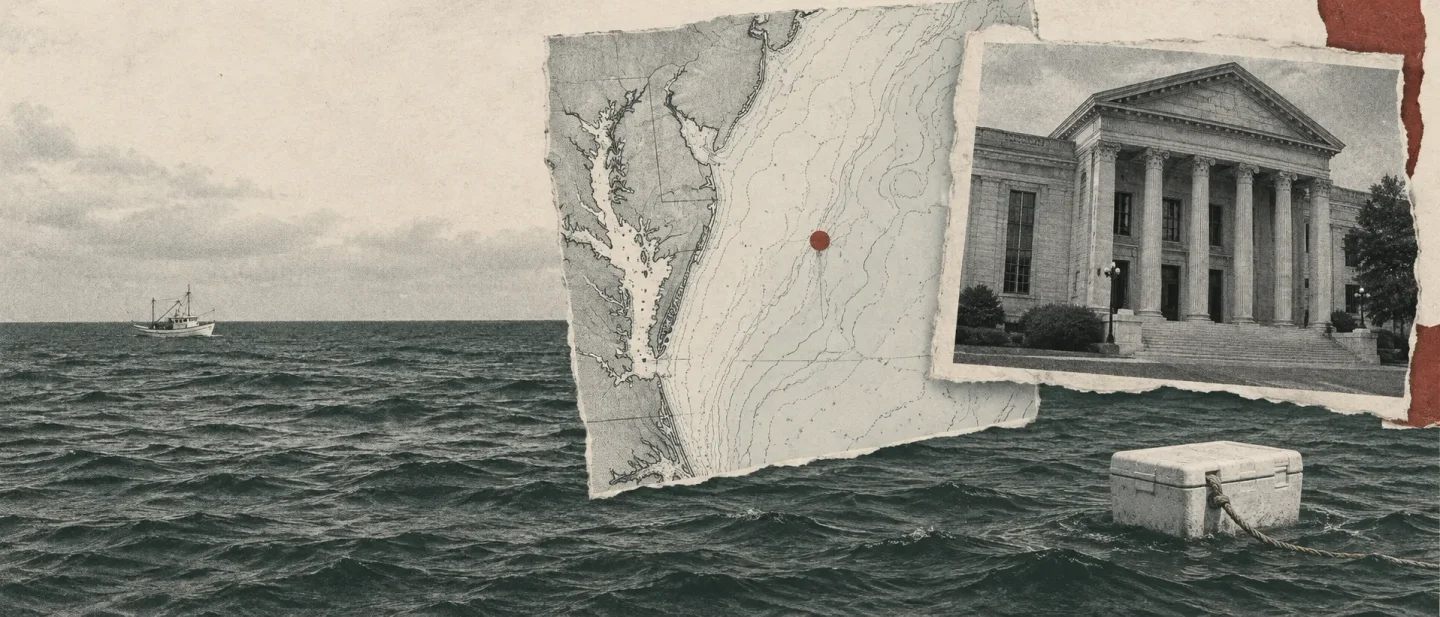
What the brothers described was the disposal of the body. After killing Fahey, according to their account, Thomas Capano forced her into a large fishing cooler he had bought about two months earlier. On June 28 the two brothers took Gerard's boat roughly 70 miles off the New Jersey coast. The cooler floated. Gerard fired a shotgun into it, using the gun he kept aboard for shark fishing, and it still floated. Thomas Capano then lifted the body out of the cooler, wrapped two anchors around it, and dropped it into the ocean; the brothers threw the cooler overboard after it. 1
One detail made that account checkable. About a week after the trip, fishermen pulled a large cooler out of the ocean, plugged the holes in it and began using it for their catches. A year later, when the cooler surfaced in news coverage of the case, one of them contacted the FBI. The cooler became a key piece of evidence, corroborating the brothers' version of events. 1
Capano was arrested on November 12, 1997, after agents learned he might be trying to leave the country, and a grand jury indicted him the following month. 12
Authorities took the case to a state trial, which opened in October 1998 in New Castle County Superior Court in Wilmington before Judge William Swain Lee. It ran 12 weeks. The prosecution called a Delaware fisherman who told the jury he had found the cooler at sea and kept it for his own use, and the cooler itself went into evidence. 167
Capano had admitted dumping the body. At trial he blamed another woman he had been seeing, saying that she found the two of them together and accidentally shot Fahey in a jealous, suicidal rage, and that he disposed of the body to protect her and himself. She testified that she had not been at his house that night. A different woman who had also been involved with Capano testified that about six weeks before the murder he had told her to buy a gun and give it to him. After three days of deliberations, the jury rejected the defense account and convicted Capano of first-degree murder on January 17, 1999. 156
A penalty hearing followed. The jury found the statutory aggravating circumstance that made Capano eligible for a death sentence by a vote of 11 to 1, and recommended death by 10 to 2. On March 16, 1999, Judge Lee imposed the death sentence and set an execution date of June 28. 35
The Delaware Supreme Court affirmed the conviction and the death sentence in August 2001, rejecting all sixteen grounds raised on appeal. The death sentence was later set aside. On January 11, 2006 the same court set the death sentence aside because the finding that made Capano eligible for death had been made by a sentencing judge rather than by a unanimous jury, which is what the United States Supreme Court's 2002 decision in Ring v. Arizona requires. The Delaware court ordered a new penalty hearing. 23
On February 6, 2006, Attorney General Carl C. Danberg announced that the state would not pursue a second penalty phase. Winning a death sentence again would have meant retrying the case in substance, he said, with one witness dead and others changed by the passage of years. Capano would spend the rest of his life in prison instead. 4
Capano was found dead in his cell at the James T. Vaughn Correctional Center near Smyrna, Delaware, on September 19, 2011. He was 61, and the state said foul play was not suspected. Anne Marie Fahey's body was never recovered. 167
Key details
People and roles
- Anne Marie Fahey: The 30-year-old scheduling secretary to Governor Thomas R. Carper, and the woman Thomas Capano was convicted of murdering. She had tried for months to end the relationship before she disappeared on June 27, 1996. 16
- Thomas J. Capano: A Wilmington lawyer, former state prosecutor, public defender and city solicitor, married with four daughters. He told police that the dinner had gone well and that he had seen her home; at trial he admitted dumping her body and said another woman had shot her. Convicted of first-degree murder and sentenced to death in 1999; the sentence was set aside in 2006 and he died in prison in 2011. 17
- Gerard Capano: Thomas Capano's younger brother. Arrested in November 1997 on drug and weapons charges after an undercover operation, he agreed to cooperate and described helping take the body out to sea and sink it. He pleaded guilty in federal court to a charge connected with the cover-up and testified for the prosecution. 1
- Louis Capano: Another brother of the defendant, who admitted helping to dispose of evidence and also pleaded guilty in federal court and testified for the prosecution. 1
- Judge William Swain Lee: The Superior Court judge who presided over the 1998–99 trial and imposed the death sentence in March 1999. 57
- Ferris Wharton and Colm Connolly: The prosecutors. Wharton was the state's chief deputy attorney general; Connolly was sworn in as a state deputy attorney general to work on the case, and a decade later the attorney general's office still credited the two of them with the prosecution. 4
- Carl C. Danberg: The Delaware attorney general who decided in February 2006 not to seek the death penalty a second time, which fixed Capano's sentence as life in prison. 4
- The FBI's Wilmington office, the Wilmington Police Department, the IRS and the ATF: The agencies that worked the case jointly, with the FBI in the lead once the search for Fahey produced evidence of a crime. 1
Timeline
- June 27, 1996 — Philadelphia: Fahey and Capano have dinner together. It is the last time she is seen alive. 17
- June 28, 1996 — about 70 miles off the New Jersey coast: According to Gerard Capano's later account, he and his brother take the body out on Gerard's boat and sink it weighted with two anchors. 1
- June 29, 1996 — Wilmington, Delaware: After two days without word, Fahey's family reports her missing. Her diary becomes a central document in the inquiry. 1
- Early July 1996 — the Atlantic Ocean: Fishermen recover a floating cooler, plug its holes and keep it. 1
- July 1996 onward — Wilmington: The FBI joins the case and takes the lead. Searches of Capano's home and car recover bloodstains that laboratory testing matches to a blood bank sample of Fahey's. 1
- Mid-1997 — Delaware: About a year after the cooler was found, one of the fishermen contacts the FBI when its story appears in news coverage of the case. 1
- November 1997 — Wilmington: Gerard Capano is arrested at the end of an undercover operation and agrees to cooperate; Louis Capano admits helping dispose of evidence. 1
- November 12, 1997 — Wilmington: FBI agents arrest Thomas Capano after learning he may be trying to leave the country; he is indicted in December. 12
- October 1998 — January 17, 1999 — New Castle County Superior Court, Wilmington: A 12-week trial ends with a first-degree murder conviction after three days of jury deliberations. 56
- March 16, 1999 — Wilmington: Judge William Swain Lee imposes a death sentence, with an execution date set for June 28. 5
- August 10, 2001 — Dover, Delaware: The Delaware Supreme Court affirms both the conviction and the death sentence. 2
- January 11, 2006 — Dover, Delaware: The Delaware Supreme Court vacates the death sentence and orders a new penalty hearing, because a judge rather than a unanimous jury had made the finding that made Capano eligible for death. 3
- February 6, 2006 — Wilmington: Attorney General Carl C. Danberg announces the state will not seek death again. Capano's sentence is life in prison. 4
- September 19, 2011 — Smyrna, Delaware: Capano is found dead in his cell at the James T. Vaughn Correctional Center, aged 61. 7
What changed the investigation
- The diary and the letters. Fahey's own record of wanting to end the relationship, kept in her apartment, gave investigators the motive that the physical evidence then had to support. 1
- Blood matched through a donated sample. Bloodstains on a metal radiator cover and on woodwork inside Capano's home were compared with a container of Fahey's blood that a blood bank still held from a donation weeks before her death. The match put her blood inside his house. 1
- Records instead of witnesses. Telephone toll records, email seized from Capano's law firm and from Fahey's office, gun purchase records and financial records let investigators reconstruct the movements of a man they had no witness to. 1
- The ten-page letter pointing at a brother. A letter Capano wrote about the relationship contained his own timeline placing him with Gerard Capano in Stone Harbor, New Jersey, the day after Fahey disappeared. That line turned the case toward the two brothers who would eventually describe the disposal. 1
- The arrests of the brothers. An undercover operation led to Gerard Capano's arrest on drug and weapons charges in November 1997 and then to his cooperation; Louis Capano admitted helping dispose of evidence, and both pleaded guilty in federal court to charges connected with the cover-up. Without a body, their account of the boat trip became the case's spine. 1
- The cooler recovered at sea. A year after fishermen found it, the cooler reached the FBI when its story appeared in news coverage. It corroborated the brothers' account of what had been put over the side. At trial it went into evidence and one of the fishermen testified about finding it. 17
The legal outcome
Thomas Capano was tried in state court in New Castle County, where a jury convicted him of first-degree murder on January 17, 1999, after a 12-week trial. In the penalty hearing that followed, the jury found the statutory aggravating circumstance by 11 to 1 and recommended death by 10 to 2; Judge William Swain Lee imposed the death sentence on March 16, 1999. 356
The Delaware Supreme Court affirmed the conviction and the sentence on August 10, 2001, rejecting all sixteen grounds of appeal, including challenges to evidentiary rulings and to the state's death penalty statute. 2
On January 11, 2006 the court vacated the death sentence. Under the United States Supreme Court's decision in Ring v. Arizona, the finding that makes a defendant eligible for death has to be made by a jury, and in this case a judge had made it; the Delaware court ordered a new penalty hearing rather than a new trial, so the conviction stood. 3
A month later the state ended the litigation. Attorney General Carl C. Danberg said his office would not seek death at a second penalty hearing, which would have required, in substance, retrying the case with a witness who had since died and other witnesses whose circumstances had changed. Capano served the rest of his life in prison and died there in 2011. 47
Verbatim quotes
"The defendant fully expected to get away with it and if not for his arrogant and controlling nature, he may have succeeded. He is a ruthless murderer and feels compassion for no one and remorse only for the circumstances he finds himself in today." — Judge William Swain Lee, sentencing Thomas Capano on March 16, 1999. 5
"No one except the defendant will ever know how or why Anne Marie Fahey died. It was not a crime of passion but of control." — Judge William Swain Lee, at the same sentencing. 5
"controlling, manipulative, insecure, jealous maniac" — Anne Marie Fahey's description of Thomas Capano, written in her diary months before she disappeared. 1
"Every criminal case has a natural end. We have reached that point in this case. I am satisfied that justice is served by having Thomas Capano spend every day of the rest of his life in prison." — Delaware Attorney General Carl C. Danberg, announcing on February 6, 2006 that the state would not seek the death penalty again. 4
References
- 1
- 2Capano v. State (2001)
law.justia.com
- 3Capano v. State (2006)
law.justia.com
- 4Attorney General Danberg announces penalty decision in Capano case
news.delaware.gov
- 5Capano Sentenced to Die for Murder of Mistress
washingtonpost.com
- 6Capano Found Guilty in Lover's Slaying
washingtonpost.com
- 7
This story was produced automatically by a channel. One sentence is all it takes for Neodrop to keep producing for you.
Related content
More from this channel
- The Boston Marathon bombing: the 33 terabytes, the boat in Watertown, and the 102-hour hunt
- The D.C. sniper attacks: the fingerprint, the blue Caprice, and the 23-day hunt
- The Golden State Killer: how family-tree DNA led investigators to Joseph DeAngelo
- The BTK case: how a floppy disk ended a 31-year search and led to ten consecutive life terms