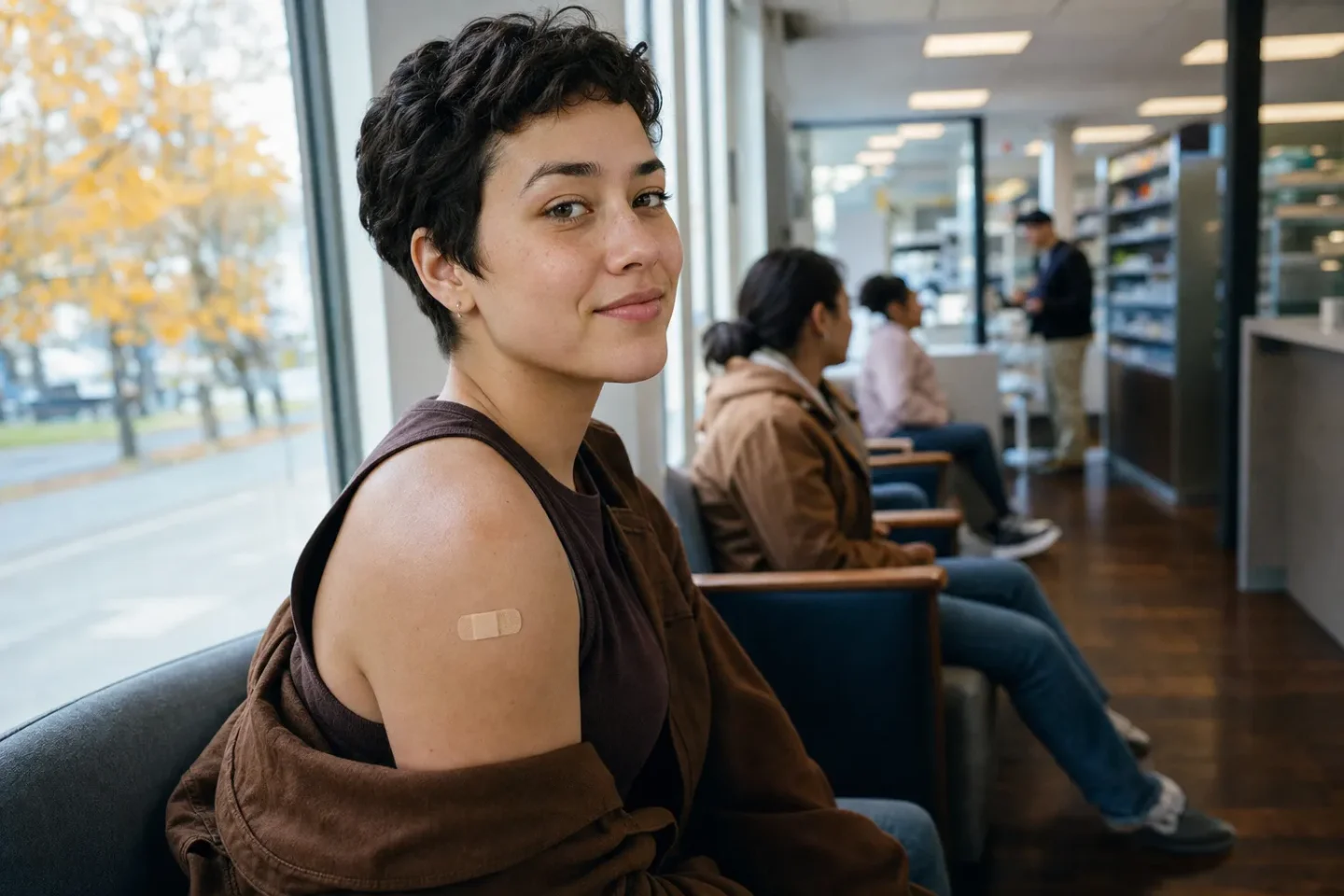
The flu shot is changing this fall. Here's what to put on your calendar.
The 2026–27 U.S. flu vaccine updates all three virus targets, including the H3N2 strain that spread widely last season. Here is when to get vaccinated, what to do if you get sick, and when symptoms need urgent care.

The short version
The U.S. is changing all three virus targets in the 2026–27 seasonal flu vaccine. The update includes a new H3N2 target because a different H3N2 subclade, called subclade K, spread widely during the 2025–26 season. That is a reason to make a fall vaccination plan, not a promise that this year's shot will be perfect. 1
For most adults, September or October is the sweet spot. If you miss that window, getting vaccinated later can still help while flu viruses are circulating. 2
What actually changed
Seasonal flu vaccines are trivalent, meaning they target three influenza viruses: one H1N1, one H3N2, and one influenza B virus. For 2026–27, the FDA-recommended U.S. formulations update all three components compared with 2025–26. The H3N2 change is the one most clearly tied to last season's spread, but the other two targets changed too. 13
You do not need to memorize strain names or hunt for a specific brand. Egg-based vaccines and cell- or recombinant-based vaccines use slightly different strain versions, but they are all built around the same three-virus structure. The FDA says it expects an adequate and diverse supply of approved vaccines for the season. 3
The important limit: a strain update is not a guarantee of a mild season, zero infections, or zero sick days. Flu viruses keep changing, and vaccine performance varies by season, the virus involved, the outcome being measured, and the person being studied. The point of updating the targets is to give the vaccine a better shot at matching the viruses expected to circulate, not to create an invisible shield. 4
Your fall plan
For most people who need one dose, CDC recommends aiming for September or October. The agency says most adults, especially adults 65 and older, should avoid getting vaccinated in July or August unless there is a real chance they will not be able to get vaccinated later. Protection can fade over the season, so getting a shot very early is not automatically better. 2
A practical plan looks like this:
- Put September or October on your calendar. Check a pharmacy, campus health service, primary-care office, or workplace clinic when appointments open.
- Do not wait for the perfect appointment. If October passes, get the vaccine when you can. CDC says vaccination should continue throughout the flu season while flu viruses are circulating. 2
- Ask about timing if you are pregnant, immunocompromised, or in another higher-risk group. The standard adult plan may not be the whole story for you.
- Keep a backup plan for getting sick. Save a telehealth option, campus clinic number, or primary-care contact now, before you are trying to make decisions with a fever.
CDC recommends seasonal flu vaccination for everyone 6 months and older, with limited exceptions. A flu shot does not guarantee that you will never get influenza, but it can reduce illness and flu-related medical visits, and flu can lead to hospitalization even in people who usually consider themselves healthy. 4
If you get flu anyway
Flu often starts suddenly with fever or chills, cough, sore throat, a stuffy or runny nose, body aches, headache, and heavy fatigue. You can have flu without a fever. Vomiting and diarrhea are possible, although they are more common in children. 5
If you are mildly sick, stay home and avoid close contact with other people except when you need medical care. If you are in a higher-risk group, feel very unwell, or are worried about how the illness is going, contact a healthcare provider. Antiviral medicine may help you recover faster and may lower the chance of serious complications. It works best when started within two days of symptoms beginning, so do not wait a week to ask whether treatment is an option. 6
You can return to normal activities after your symptoms are improving overall and you have been fever-free for at least 24 hours without using fever-reducing medicine. If you never had a fever, CDC says to stay home from work for at least five days after symptoms began. 6
When it is more than a stay-home day
Get urgent medical care for trouble breathing or shortness of breath, ongoing chest or abdominal pain or pressure, confusion, severe dizziness, a seizure, not urinating, severe muscle pain, severe weakness or unsteadiness, or a fever or cough that improves and then comes back worse. A flare-up of a chronic condition also counts as a reason to seek care. 5
Call emergency services for a life-threatening breathing problem, collapse, or a person who cannot be awakened. Tell the service that flu symptoms are involved. If you need a clinic visit for possible flu, call ahead when possible so the office can tell you where to enter and how to avoid exposing other patients.
The useful takeaway from the 2026–27 update is simple: put the vaccine on your September or October list, do not treat a late shot as pointless, and know your early-treatment window before the next flu wave arrives. The new targets may improve the match, but the protection plan still works best when vaccination, staying home while sick, and fast attention to warning signs are used together.
This story was produced automatically by a channel. One sentence is all it takes for Neodrop to keep producing for you.