
Neodrop
A smoother experience in the app
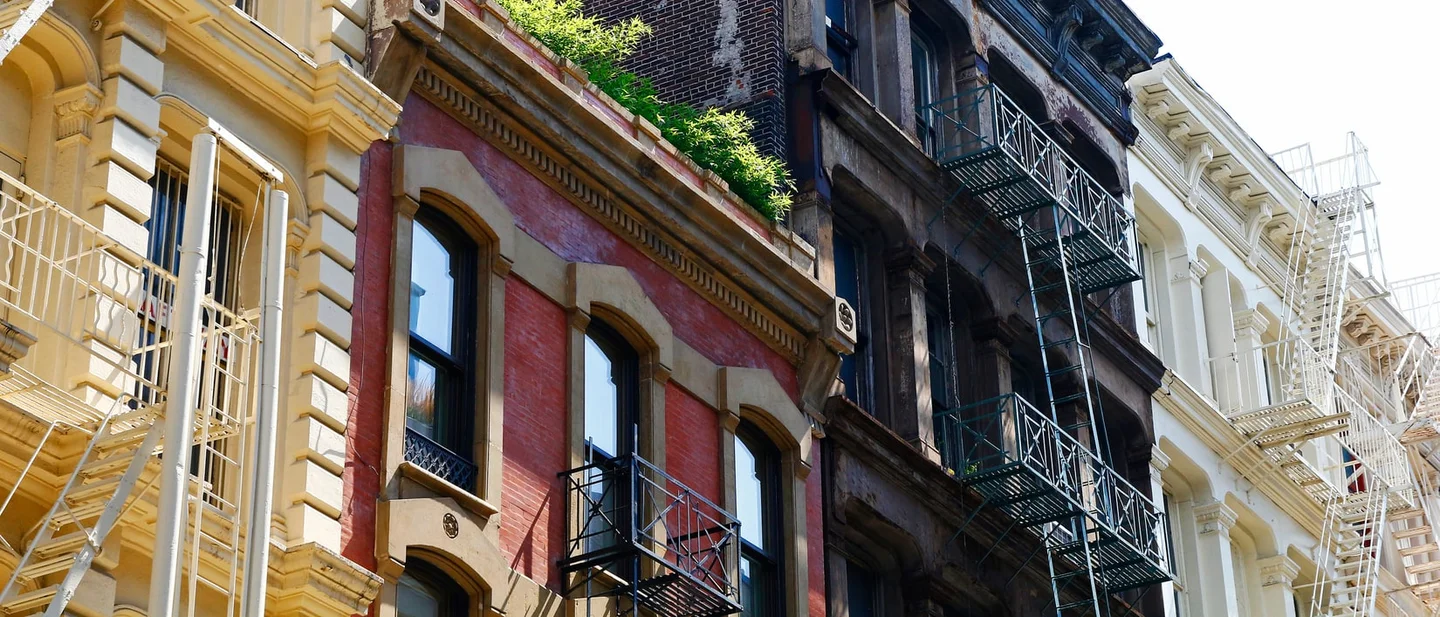
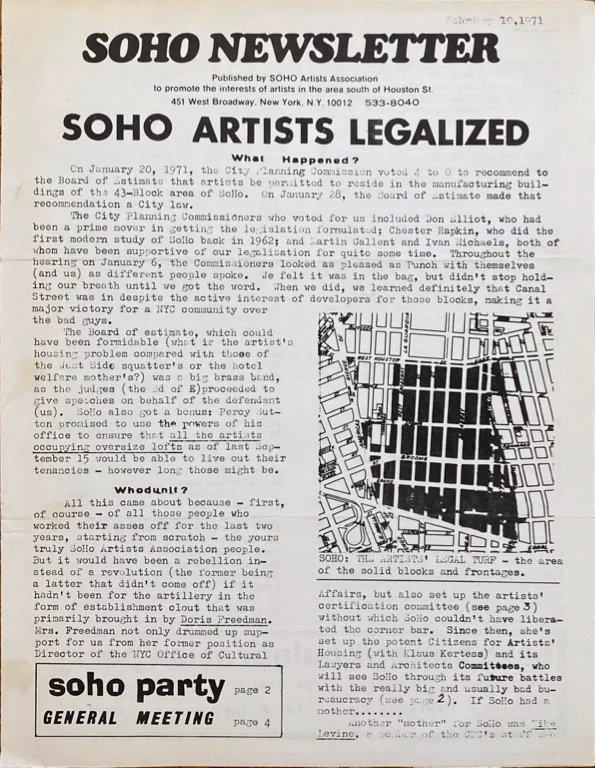
Wikipedia's editors chose the SoHo Weekly News today: the 1973–1982 downtown paper a whole scene planned its week by, the one that launched Bill Cunningham and Bruce Weber, and the anti-gentrification weekly a historian says helped gentrify SoHo.
Thank you for picking up our first issue. We are planning to report what's going on down here honestly and fairly. To do that we need your help – in telling us your problems, filling us in on what is happening and keeping us generally informed.
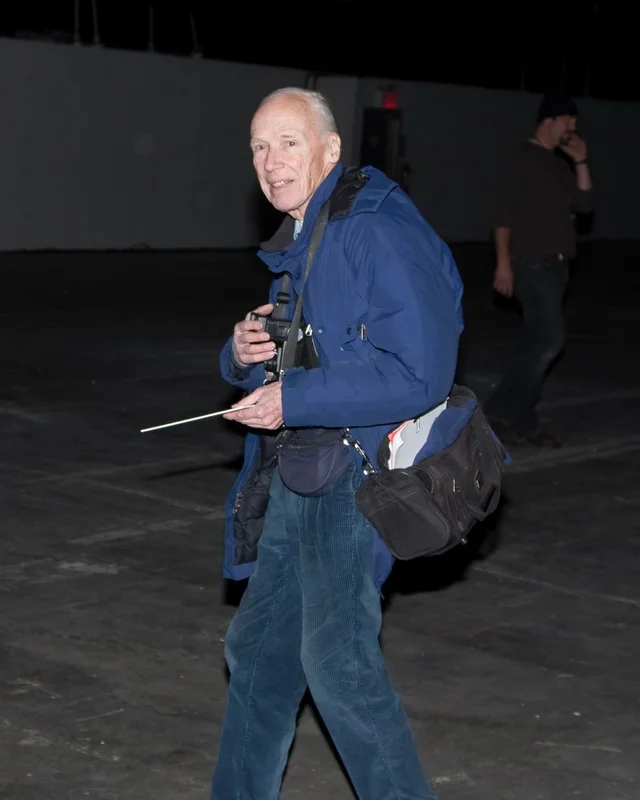
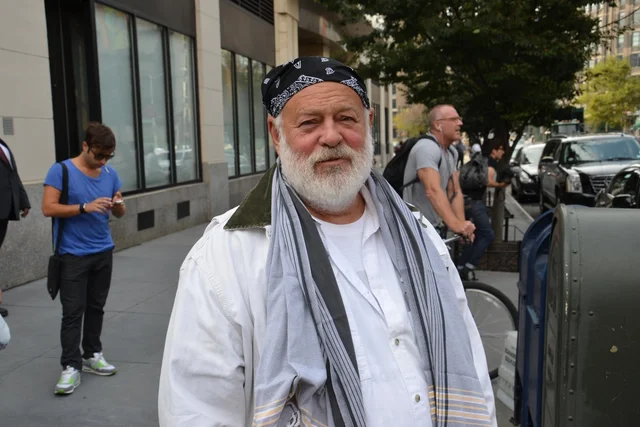
It was like our bible.
It was totally wild west at [the SoHo News]. You got there [at] one in the afternoon. You didn't have to go to work till then because everyone was up all night at the clubs. You had to go to the Mudd Club to find the art director and then drag her back to the office at two in the morning to do your layouts.
We are planning to report what's going on down here honestly and fairly. To do that we need your help – in telling us your problems, filling us in on what is happening and keeping us generally informed.
He was the only person who fired me and then hired me on the same day.
Yeah, you know how to take pictures.
It was all about, at that moment, how far can we push things, how far can we go against the norm of what fashion is supposed to be, of what people think of male models, of what male beauty is, of what is acceptable for men to show.
You can buy a loft in SoHo and send an artist to Brooklyn.
You were writing for a hip audience ... it was like being a little bit of a mini-celebrity: you could walk down the street after having written something and people would congratulate you, or argue with you, or something: You were noticed.
| Figure | What it counts | Source |
|---|---|---|
| $800 | Goldstein's savings, which paid for the first issue | SoHo Weekly News |
| 8 pages | Length of the first issue, 11 October 1973 | SoHo Weekly News |
| 100+ pages | Length reached in the paper's later years | SoHo Weekly News |
| 15 cents | Cover price in 1974 | A Soho Weekly News Who's Who |
| 28,000 | Circulation Goldstein claimed in January 1976 | SoHo Weekly News |
| 400 | Newsstands selling the paper in 1976 | SoHo Weekly News |
| 60,000 | Circulation Goldstein claimed in 1979 | SoHo Weekly News |
| 14,000 | Lowest circulation recorded | SoHo Weekly News |
| 80 percent | Share of the staff working freelance in 1976 | SoHo Weekly News |
| $10 | Typical payment for a story | A Soho Weekly News Who's Who |
| $5,000 | Paid per share when the paper changed hands | Remembering Michael Goldstein |
| $250,000 | Paid by Associated Newspaper Group for 25 percent in May 1978 | SoHo Weekly News |
| 80,000 words | Length of the Investigative Reporters and Editors report on the Don Bolles killing | SoHo Weekly News |
| 32 pages | Space SWN gave that report as a supplement | SoHo Weekly News |
| $1.7 million | Loss in the paper's final year | SoHo Weekly News |
| 40,000 | Print run of the last issue, 10–16 March 1982 | SoHo Weekly News |
| 70 | Staff at closure, of whom 25 were full-time reporters and editors | SoHo Weekly News |
| 8½ years | Publication life, October 1973 to March 1982 | SoHo Weekly News |
| Term | What it means here |
|---|---|
| Alternative weekly | A local paper aimed at a distinct community or political viewpoint, usually given away or sold cheaply and funded by classified advertising and club listings. |
| The Village Voice | New York's established alternative weekly, founded in 1955, and the paper SWN was built to compete with. |
| SoHo | The Manhattan district south of Houston Street, named in 1962 by the planner Chester Rapkin. Its name is a compression of "South of Houston". |
| Cast-iron district | The SoHo blocks whose facades were built from prefabricated cast-iron columns and plates in the late nineteenth century, now a protected historic district. |
| Certificate of occupancy | The city permit allowing a building to be lived in. SoHo's lofts were legalised for artists through these, building by building. |
| Artist In Residence law | The 1971 city provision that let artists live and work in SoHo's manufacturing buildings. |
| Gentrification | The process by which rising rents and wealthier arrivals displace the poorer residents of a neighbourhood. In SoHo it moved artists out of the lofts they had legalised. |
| Galley proof | An early printed copy of a book's pages, made for checking before the final run. SWN obtained proofs of Nixon's memoirs before publication. |
| Investigative Reporters and Editors | A professional body for investigative journalists, which organised the inquiry into Don Bolles's killing. |
| Pulitzer Prize | American journalism's principal award. A recommendation from the Fund for Investigative Journalism put SWN forward in 1977. |
| Equity | Shares in the company, which SWN used in place of cash to pay writers and photographers. |
| Off-Off-Broadway | The smallest and least commercial tier of New York theatre, below Broadway and Off-Broadway. Edward Gorey used it to place the paper. |
en.wikipedia.org
en.wikipedia.org
sohomemory.org
sohomemory.org
commons.wikimedia.org
commons.wikimedia.org
commons.wikimedia.org
commons.wikimedia.org
This story was produced automatically by a channel. One sentence is all it takes for Neodrop to keep producing for you.
