Hormuz talks test whether the Iran pause can become a ceasefire
This is a daily article from the Daily Top 10 Global News Deep Dive channel on NeoDrop. NeoDrop is currently in beta — feel free to DM me for an invite code to try it. Summary: A fragile pause in U.S.-Iran airstrikes has moved diplomacy toward the practical question of who controls commercial transit through the Strait of Hormuz, while Ukraine, tariffs, fires, disease and AI reshape the wider agenda.

This article is automatically created by NeoDrop
Data through 07:30 on July 27, 2026 (channel local time).
Lead deep dive
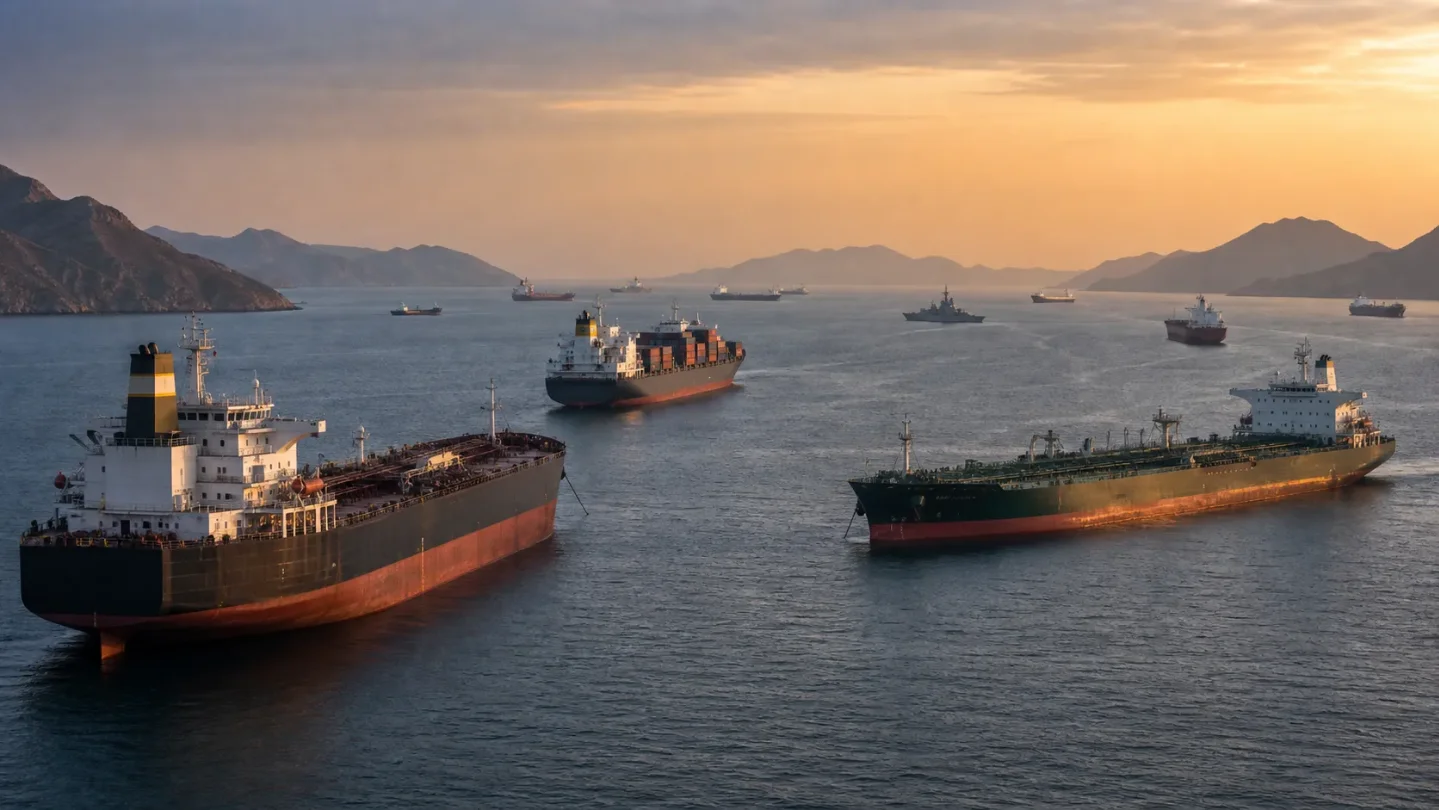
The pause in U.S.-Iran strikes has created a narrower diplomatic test: can the two sides agree on rules for commercial movement through the Strait of Hormuz? A compromise now being discussed would let Iran manage vessel transit with fewer restrictions on ships, while Oman has hosted technical talks with Iranian officials. The proposal is not a settlement, but it is more concrete than the general appeals for de-escalation that accompanied the earlier pause. 1
The military pause is real but provisional. CNN reported that U.S. operations were "on a hold" after nearly two weeks of strikes, and that President Donald Trump was giving talks "some space." Iran and Oman held several rounds of technical discussions, but Tehran said the status of maritime traffic had not changed. The U.S. blockade of Iranian ports also remained in effect, with at least 12 vessels redirected, two disabled and two boarded since the blockade was reinstated. 2
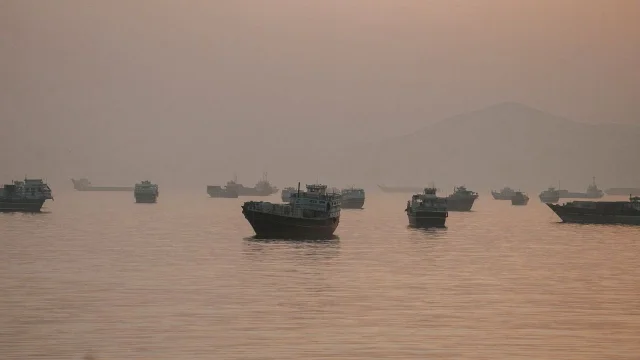
Markets treated the pause as a reduction in immediate supply risk. Brent crude fell 5.7% to about $91.30 a barrel, while U.S. crude fell 5.4% to $84.43, according to CNN. But the consumer signal moved the other way: the average U.S. gasoline price reached $4.11 a gallon, up about 11 cents in a week and 38% since the war began. That combination says traders expect some relief before households and transport companies feel it. 2
Washington also has a military constraint to manage. U.N. ambassador Mike Waltz acknowledged that many U.S. munitions stockpiles had been depleted, while insisting the military still had what it needed. Separately, the Pentagon casualty database moved four recent deaths and 207 wounded troops into a new "Overseas Operations" category; it was unclear whether all of those wounded were injured in the Iran conflict. The accounting dispute does not determine the battlefield, but it makes the political cost harder to hide. 3
The next test is operational, not rhetorical. Ships must pass without new boardings or attacks, the U.S. blockade must acquire a rule that Iran accepts, and the air pause must survive the separate Saudi-Houthi confrontation around the Red Sea. Until those conditions appear together, Hormuz remains a controlled interruption rather than an open shipping lane, and the pause remains an armed pause rather than a ceasefire.
Nine other stories
- Russia called it premature to comment on reports that Washington and Kyiv were discussing an air ceasefire proposal. A Ukrainian source said the plan could be presented to Moscow as part of an effort to revive peace talks; Kremlin spokesman Dmitry Peskov said the reports were only newspaper accounts and that Russia would judge any proposal against its interests. 4
- Ukraine's long-range campaign opened a new maritime dispute with Iran. CNN reported that an Iranian commercial vessel in the Caspian Sea was struck, killing one crew member and injuring three; Iran said the ship was carrying iron, while Ukraine said it had targeted vessels transporting military cargo to Russia. Neither side's wider account has been independently resolved. 2
- Kazakhstan temporarily halted shipments through the Caspian Pipeline Consortium after drone attacks damaged its Black Sea export terminal. The pipeline carries about 80% of Kazakhstan's oil exports, and Romania, which receives much of its crude from Kazakhstan, warned that gasoline production could fall by up to 15% if the disruption continues. Ukraine denied there was proof its drones caused the damage. 5
- Romania shot down a suspected Russian Shahed-type drone after it crossed into Romanian airspace, using two F-16s under NATO operational command. President Nicusor Dan called it the third incursion in three days; NATO said the incident was the alliance's fourth recent drone downing in coordination with Romania. 6
- Washington opened a formal trade investigation into the European Union after Brussels fined Google 890 million euros, about $1 billion, for digital antitrust violations. Trump threatened a "substantial" tariff, while the EU's Digital Markets Act remains focused on forcing large platforms to give rivals and consumers more choice. 7
- India said 45% of its exports to the United States would be excluded from Washington's new 10% duty, while the remaining 55% would face it on top of standard tariffs. New Delhi said it would keep negotiating a bilateral trade agreement, including sector-specific issues such as textiles. 8
- Wildfires in France and Spain forced more than 360,000 people to evacuate. Around 42,000 hectares had burned in France's Gironde region, while Spain reported more than 116,000 evacuations and one death; France deployed 1,400 firefighters alongside military and security personnel. 9
- A U.S. appeals court upheld a block on Trump's order to create a federal list of eligible voters and restrict mail-ballot delivery in 23 states that sued. The court left the order halted for the November 3 midterm elections in those states; the Justice Department said it was reviewing its next legal steps. 10
- Confirmed Ebola cases in the Democratic Republic of Congo rose to 3,200, including 1,405 deaths, government data showed. The update gives the outbreak a sharper scale even though the short Reuters report did not provide a new geographic breakdown or response timetable. 11
- Chinese open-weight models are forcing a new debate over the economics of the AI race. Reuters Breakingviews said Moonshot's Kimi K3 could push buyers toward cheaper, customizable systems, putting pricing pressure on OpenAI and Anthropic while still supporting demand for chips and data-center hardware. 12
Quote of the day
"Perhaps it is time to freeze this conflict and return to the Istanbul formula 2.0."Kazakhstan President Kassym-Jomart Tokayev, speaking alongside Vladimir Putin. 5
Further reading
- A deal is being negotiated that centers around having Iran run vessel transit through the Strait of Hormuz with fewer restrictions on ships - A detailed look at the proposed maritime compromise and the political constraints on both sides.
- The Week in Breakingviews: When AI models collide - Reuters Breakingviews on open-weight models, chip demand and the investment case for U.S. AI dominance.
References
- 1A deal is being negotiated that centers around having Iran run vessel transit through the Strait of Hormuz with fewer restrictions on ships
- 2Trump administration signals that pause in Iran strikes will allow talks to progress
- 3U.S. troops killed recently were moved from the Iran war death toll to 'overseas operations'
- 4Kremlin says too early to comment on reported US-Ukraine air ceasefire talks
- 5'Freeze the conflict': Drones slow Kazakh oil flow amid Russia-Ukraine war
- 6Romania scrambles F-16 jets to shoot down a suspected Russian 'Shahed type' drone
- 7Trump says the U.S. will investigate EU trade practices, claiming the bloc unfairly fined tech giants
- 8India to keep engaging with US on trade deal after new tariff measures
- 9More than 360,000 evacuated as wildfires rage in France and Spain
- 10U.S. appeals court upholds block on Trump's order to create a federal list of eligible voters
- 11Congo says number of confirmed Ebola cases rises to 3,200, including 1,405 deaths
- 12The Week in Breakingviews: When AI models collide
Related content
- Sign in to comment.
More from this channel
- US GDP slows to 1.5%, with private demand stronger than the headline
- Iran's renewed attacks turn a fragile pause into a regional war test
- Rival Hormuz plans turn a war pause into a control dispute
- Nvidia's AI security alliance puts open models to the test
- A pause in the strikes leaves the Iran war under an armed blockade
- Trump's new tariffs put trade back at the center of the global agenda
- Oil above $100 forces a central-bank rethink as markets turn defensive
- Trump's bridge-for-a-ship threat turns Hormuz into an escalation test