New York Alleges TikTok Ran Placebo Safety Tests on Thousands of Users
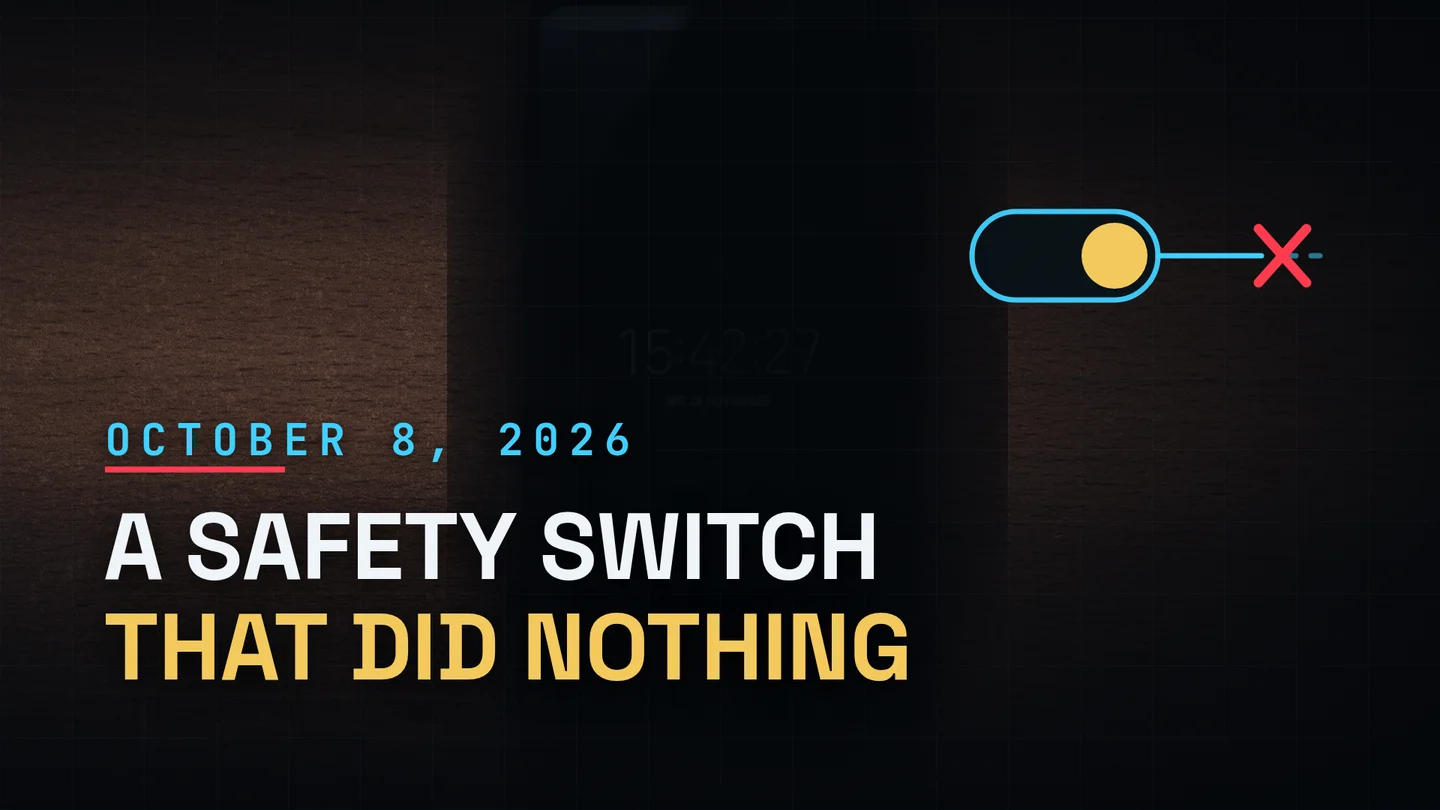
New York's lawsuit against TikTok alleges the company ran "ghost" or placebo experiments in which users who switched on a safety tool were handed a version that did not work. The allegations became public on Wednesday, October 7, 2026, when a judge unsealed an updated version of the state's complaint. 1
The tool is Algo Refresh, built to reset the recommendations a user is shown for people trying to escape unwanted or potentially harmful content. The filing says thousands of users, teens and children among them, opted in and believed the feature was working, while their feeds did not change; users who received the working version saw their recommendations reset. 1
The suit says TikTok ran those tests repeatedly in 2023, comparing the users who did not get the feature with the users who did, to measure how long people stayed on the site and the effect on ad revenue. A product manager for Digital Well Being objected inside the company, writing in an internal chat that the feature is about "algorithm transparency and control" and that "a placebo group completely conflicts with that." The filing also alleges the company described Algo Refresh as resetting the recommendation algorithm when the change was only temporary. 1
New York first sued in 2024, and the case is one of more than two dozen brought by states over how the platform is designed and how its safety is described. Most of that record had been sealed or heavily redacted. The new claims arrived in an updated complaint filed at the end of August and were ordered unsealed by a judge on Wednesday. In September, TikTok settled the first state case set for trial, agreeing to pay Alabama up to three hundred million dollars and to change how the app functions for teens in that state. 1
The 2024 filing already alleged that the safety tools were misrepresented: that the sixty-minute screen time limit amounts to a passcode prompt, and that "Refresh" and "Restricted Mode" do not work as TikTok described them. New York's attorney general, Letitia James, and California's, Rob Bonta, co-led a coalition of 14 state attorneys general in bringing those suits, each in its own jurisdiction. 2
The unsealed portions also describe a separate set of experiments, reported earlier by Bloomberg, in which TikTok randomly selected users and switched off safety features that limited their exposure to harmful content. The suit says internal reviews found that a teen boy in New York who was part of that test had been shown an "onslaught" of content about suicide and self-harm; he died by suicide. Bloomberg Businessweek reported that the test began in 2021, reached about 15 million US users, and withheld a new safety feature from 10 percent of US users to see whether that reduced time on the platform. 13
TikTok denies the allegations in court filings and has said that keeping young users safe is a priority. A spokesperson told Reuters: "We continuously make improvements to our platform which means that, like most companies, we regularly test new products and features to validate the experience and understand how they work in the real world." No judge has ruled on the placebo-test allegations. 1
"Ghost Mode" is an original rap song and music video built from those facts.
Visual material: the phone on the desk, the hands scrolling in the dark, the courthouse, the courtroom gallery, the gavel, the document stack, the desk at night, the data-centre aisle, the operations room, the city at night and the lit window are photographs under the Pexels License; the attorney general's filing page and the wire report are screenshots of the pages named above.
References
- 1
- 2
- 3Bloomberg Law — TikTok Accused by NY of Running Secret Safety Tests on Teens
news.bloomberglaw.com
This story was produced automatically by a channel. One sentence is all it takes for Neodrop to keep producing for you.