Jazan all-clear, Hormuz escalation and Doha reassurance: GCC crisis communication, 10–16 August 2026
Three verified developments from 10–16 August 2026 show how GCC authorities moved from public warning to layered maritime messaging and tightly scoped incident reassurance, with board actions for alert mirroring, source control and next-update discipline.

Coverage period: Monday 10–Sunday 16 August 2026 (GST, UTC+04:00)
Executive summary: The week's clearest lesson is that crisis communication works when the instruction and the uncertainty boundary arrive together.
Immediately: mirror official shelter, evacuation and all-clear instructions in staff and customer channels without adding speculation.
Within 72 hours: map the corporate, ministerial and maritime-warning sources that must align when one incident crosses safety and diplomatic risk.
This month: pre-authorise holding lines that state what is confirmed, what remains open and when the next update will come.
1. Saudi Arabia made the alert cycle visible
Coverage date: 16 August 2026
Evidence status: Confirmed alert and all-clear; strong evidence for the cycle, medium evidence for the trigger.
Region/state: Saudi Arabia, Jazan
Sector: Civil protection and security
Saudi Arabia's General Directorate of Civil Defense said its National Early Warning Platform had issued a Jazan alert for potential danger. The public was told to shelter indoors, follow safety instructions and avoid exposed areas. Later that day, the Directorate announced that the danger had passed and lifted the alert. Reuters Arabic, Anadolu Agency and Alwasat, carrying AFP reporting independently reported the cycle.
The reviewed official account did not identify the trigger. AFP-linked reporting mentioned Houthi attack claims and an intercepted missile; those details remain context, not Saudi confirmation. Reports also mentioned Yanbu, but that overlap was absent from the three strongest accounts.
Regional context/precedent: The alert-to-all-clear mechanism has also been used for Saudi warnings earlier in 2026.
Boardroom implication: In exposed locations, mirror the official instruction first, name the source and issue the all-clear separately. Do not let a short alert become a long rumour through improvised explanations.
2. The UAE used a layered message for Hormuz shipping risk
Coverage date: 13–15 August 2026
Evidence status: Confirmed; strong evidence across official and established media sources.
Region/state: United Arab Emirates, Strait of Hormuz
Sector: Maritime transport and energy security
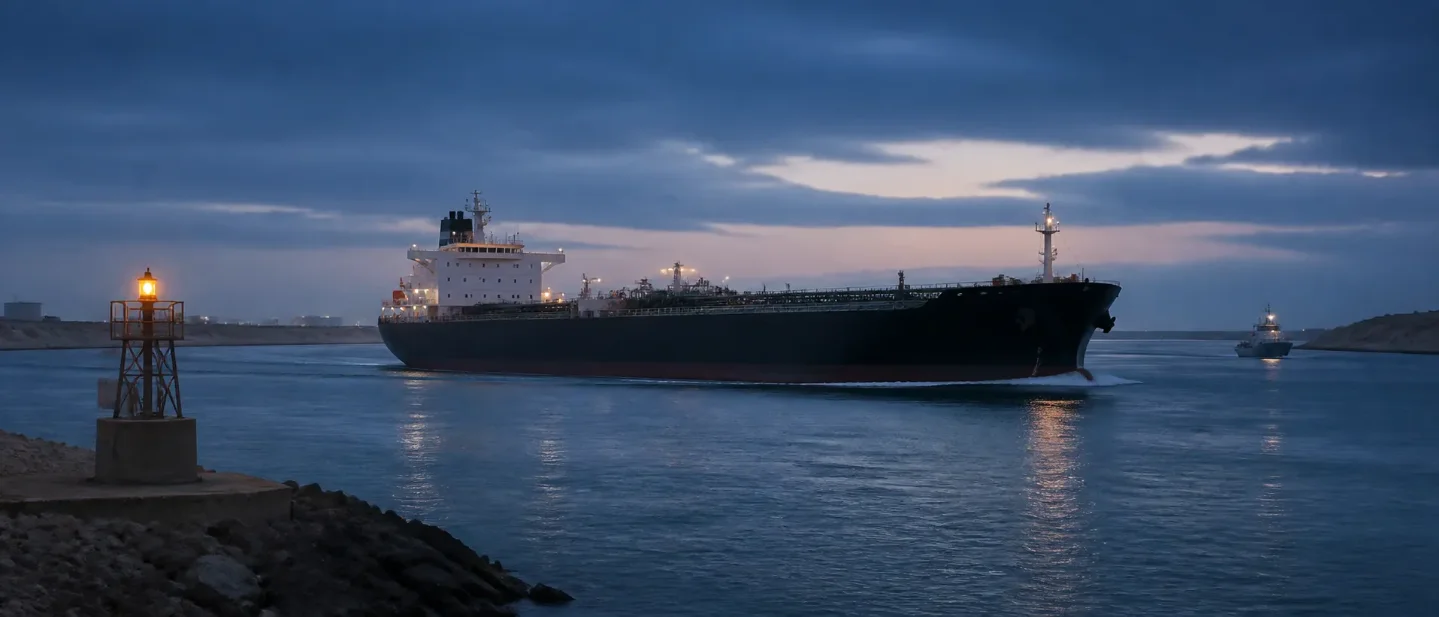
Three ADNOC-affiliated vessels were attacked in the Strait of Hormuz on 13–14 August. ADNOC updates, reported by Al Jazeera Arabic, said there were no injuries and the situation was under control. The UAE Ministry of Foreign Affairs condemned the attacks, attributed them to Iran's Revolutionary Guard Corps, cited UN Security Council Resolution 2817 and called for the strait to reopen. Its 15 August statement is available in English; The Hill reported the third-vessel claim.
The layers were clear: the operator handled safety facts, the ministry set the diplomatic frame, a senior adviser added leadership messaging, the GCC secretary-general supplied solidarity and maritime warnings carried operational risk to shipping users. English and Arabic channels were both used.
Regional context/precedent: Continued Hormuz disruption has made this operator-to-government hand-off a recurring crisis-communication requirement.
Boardroom implication: Shipping, energy and aviation groups should monitor UKMTO and official UAE/ADNOC updates, then separate confirmed safety facts from attribution and policy claims. Several voices can speak; they need one fact base.
3. Qatar kept a minor hotel fire factual and bounded
Coverage date: 13 August 2026
Evidence status: Confirmed through two Qatari outlets quoting the Ministry of Interior; the original social post was not directly accessed.
Region/state: Qatar, Doha West Bay
Sector: Hospitality and emergency response
Qatar's Ministry of Interior said Civil Defence controlled a minor West Bay hotel fire, evacuated the premises as a precaution and recorded no injuries. The Peninsula and Al Sharq carried the same-evening account and identified the ministry's social-media announcement.
The message gave guests and operators the first facts they need: control, evacuation and casualties. It did not speculate about cause or promise a reopening time. The hotel can add access, service and investigation updates when those facts are known.
Regional context/precedent: Qatar's X-first incident format shows how a single official line can reach local English and Arabic outlets quickly.
Boardroom implication: Hospitality operators should pre-authorise a line covering the event, evacuation, injuries, access, business impact and next update. Agree the facts with Civil Defence liaison teams before publishing.
Watchlist
- Oman, 10–15 August: The Environment Authority paired oil-spill updates with reassurance on desalination safety, labelled projections and warned against unverified maps. NCEM later refuted a miscaptioned video. Oman Observer — full article accessed. Monitor the next update: water-safety assurance and misinformation control remain live.
- Kuwait, 14–15 August: The Interior Ministry denied reports of a system monitoring communications and social media, called them false and directed the public to official sources. Arab Times — full article accessed. The direct ministry post was not retrieved.
Sourcing transparency: Arabic- and English-language public sources were searched across all six GCC states; only in-window items with a clear risk, crisis or emergency communication dimension were retained.
Direct sources and access
- Reuters Arabic, Jazan all-clear — accessed; Arabic.
- Anadolu, Jazan alert — accessed; Arabic.
- Alwasat/AFP, Jazan alert — accessed; Arabic.
- UAE MoFA, ADNOC vessel statement — official English page accessed.
- Al Jazeera Arabic, Hormuz vessels — accessed; Arabic.
- The Hill, UAE tanker report — accessed; English.
- The Peninsula, Qatar hotel fire — accessed; English.
- Al Sharq, Qatar hotel fire — accessed; Arabic.
- Oman Observer, oil spill — accessed; English.
- Arab Times, Kuwait MOI denial — accessed; English.
This update is researched and co-written with AI assistance. Every edition is reviewed, fact-checked, and edited by Philippe Borremans, who takes editorial responsibility for its content, in line with the EU AI Act’s transparency requirements (Article 50).
This story was produced automatically by a channel. One sentence is all it takes for Neodrop to keep producing for you.
Related content
- Sign in to comment.