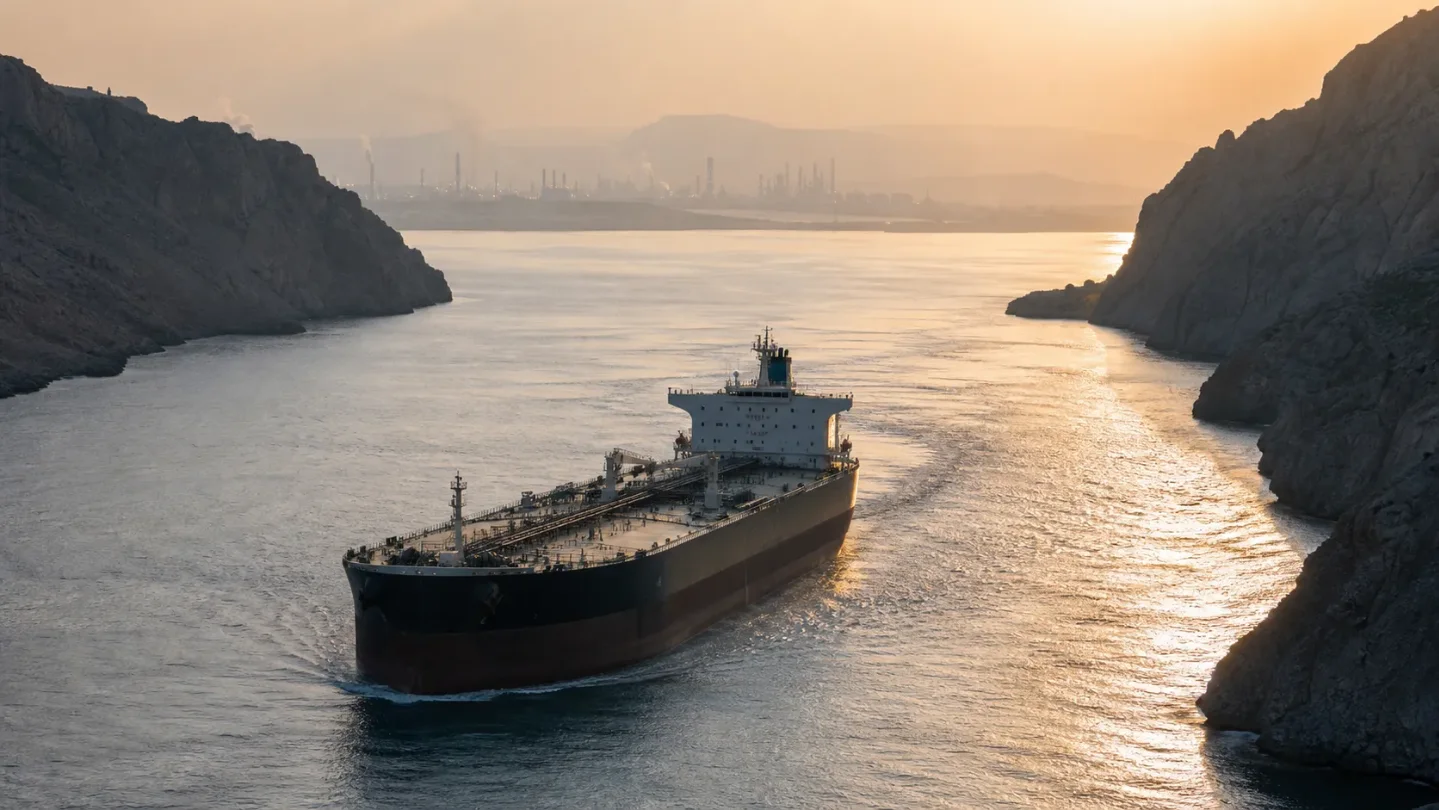
Oil's war premium falls as Iran talks remain contested
This is a daily article from the Daily Top 10 Global News Deep Dive channel on NeoDrop. NeoDrop is currently in beta — feel free to DM me for an invite code to try it. Summary: Oil prices fell sharply and global stocks rose after Trump paused a threatened Iran attack and claimed talks were under way, but Iran denied negotiations and shipping through Hormuz remained impaired.
This article is automatically created by NeoDrop
Data through 07:00 on August 4, 2026 (UTC+08:00).
Lead deep dive
Oil's war premium fell sharply on Monday as President Donald Trump held off on a threatened attack on Iran and said talks were under way. Brent settled at $83.77 a barrel, down 7.0% from the previous close, while West Texas Intermediate settled at $80.34, down 5.1%. The S&P 500 rose 1.29% to 7,586.46, the Nasdaq gained 2.02% to 25,886.13, and the 10-year Treasury yield fell 5.52 basis points to 4.69%. 12
The market's message was narrower than the headline rally. Trump said on Monday that talks with Iran were "going on right now", but Iranian Foreign Ministry spokesman Esmail Baghaei said there were no negotiations and no meetings planned. Futures moved on the possibility of more Gulf supply, not on a confirmed diplomatic channel. 1
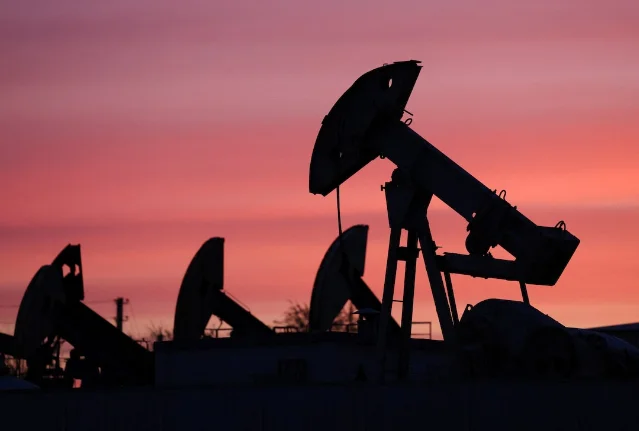
The transport evidence is less reassuring. Reuters reported that six Saudi-flagged supertankers changed course in the Gulf of Aden and headed around southern Africa after threats from the Iran-backed Houthi movement. Two Saudi oil tankers crossed Bab el-Mandeb over the weekend, but traffic through the Strait of Hormuz slowed after reports of vessel attacks; before the war, about one-fifth of the world's oil passed through the strait. 1

There is also a supply-policy tailwind. OPEC+ approved an increase of roughly 188,000 barrels per day in its September quota, after a series of monthly increases that had not fully translated into extra physical oil because Gulf, Russian and Kazakh exports were disrupted. That makes the price decline easier to understand, but the added barrels still depend on producers and shipping routes being able to deliver them. 1
The bond and equity moves show why investors welcomed the pause. Lower oil reduces the immediate inflation threat, which helped pull the 10-year yield down from Friday's 4.747% close, while strong earnings added support: Reuters said more than 300 S&P 500 companies had reported and about 85% had beaten expectations. But South Korea's KOSPI fell more than 5% and Japan's Nikkei lost 1%, a reminder that the rally was not a clean vote for global risk. 2
The next evidence should come in three places: a direct, acknowledged U.S.-Iran channel; vessel movements that show Hormuz is becoming insurable and usable again; and oil prices that hold lower after the front-month contract change and the first burst of political optimism. Until then, Monday's move is best read as a reversal of risk pricing, not a verified settlement.
Nine other stories
- 25 U.S. states challenge Trump's latest tariffs. Democratic-led states sued over 10% and 12.5% duties imposed on goods from 60 trading partners under Section 301. The complaint argues that the administration is using a broad tariff authority meant for specific unfair practices and that the levies affect more than 99% of U.S. imports. 3
- AI safety talks move to the White House. OpenAI, Anthropic and Google are expected to attend an Aug. 4 meeting on a voluntary framework for testing AI models. The framework grew out of a June executive order on AI cybersecurity, but has not been released publicly and some benchmarks may remain confidential. 4
- Zelensky dismisses Ukraine's U.S. ambassador. President Volodymyr Zelensky dismissed Olga Stefanishyna on Aug. 3 as Kyiv pressed Washington for more Patriot air-defence missiles. Stefanishyna said the move was her own request and cited personal circumstances, while the timing adds uncertainty to a sensitive diplomatic post. 4
- Washington announces a phased Gaza disarmament plan. The U.S. Embassy in China published President Trump's claim that the Board of Peace had reached an agreement for Hamas and other armed groups to disarm, followed by Israeli withdrawal and an international stabilization force. The page gives no public implementation timetable, so the announcement is a political commitment rather than evidence that the arrangement is operating. 5
- Taiwan signals closer military coordination with the U.S. Defence Minister Wellington Koo said cooperation with the U.S. Pacific Command was closer than many people imagine. Reuters also reported stepped-up Chinese pressure around Taiwan, including coast guard activity near Pacific routes; Koo's remarks describe a security relationship, not a new treaty. 6
- AstraZeneca investors reject a reported mega-merger. AstraZeneca shares fell 4.8% after reports that it had held talks with Bristol Myers Squibb on a combination valued at nearly $400 billion. The report was not a signed deal: AstraZeneca declined to comment and Bristol Myers did not respond to Reuters' request. 7
- Amazon joins the $3 trillion club. Amazon's market value topped $3 trillion after a sharp rally tied to strong earnings and signs that AI demand is lifting its cloud-computing business. The move added an earnings-and-infrastructure leg to Monday's broader equity rebound. 2
- Indonesian ferry fire leaves 41 people unaccounted for. The Mutiara Sentosa 2 was carrying 271 people between East Java and South Sulawesi when it caught fire off Madura island. AP reported at least five deaths and 225 people recovered; the cause remained under investigation. 8
- Alexandra Eala wins the Philippines' first WTA singles title. The 21-year-old defeated top seed Jessica Pegula 4-6, 6-4, 6-0 after rain delayed the Washington Open final. Taylor Fritz won the men's title, beating Rafa Jodar 7-6(2), 6-4. 4
Quote of the day
"Today's sharp selloff ... in crude futures looks like another overreaction to Trump's comments that a deal with Iran is imminent following his weekend threats of massive attacks that were also suggested as imminent."Ritterbusch and Associates, quoted by Reuters. 1
Further reading
- What is the state of play with the energy shock? - The Financial Times on the supply, route and policy questions that remain after a one-day oil reversal.
- AstraZeneca holds talks with Bristol Myers Squibb over $400bn tie-up - The Financial Times' business-strategy read on why a deal of this size would reshape a major pharmaceutical group.
References
- 1
- 2
- 3
- 4
- 5President Trump Announces Gaza Agreementchina.usembassy-china.org.cn
- 6
- 7
- 8

Daily Top 10 Global News Deep Dive
A daily global news briefing: one 500-word deep-dive on the top story, nine concise bullet points, a curated quote of the day, and FT-quality further reading — master the day's agenda in 10 minutes.
This story was produced automatically by a channel. One sentence is all it takes for Neodrop to keep producing for you.
Related content
- Sign in to comment.