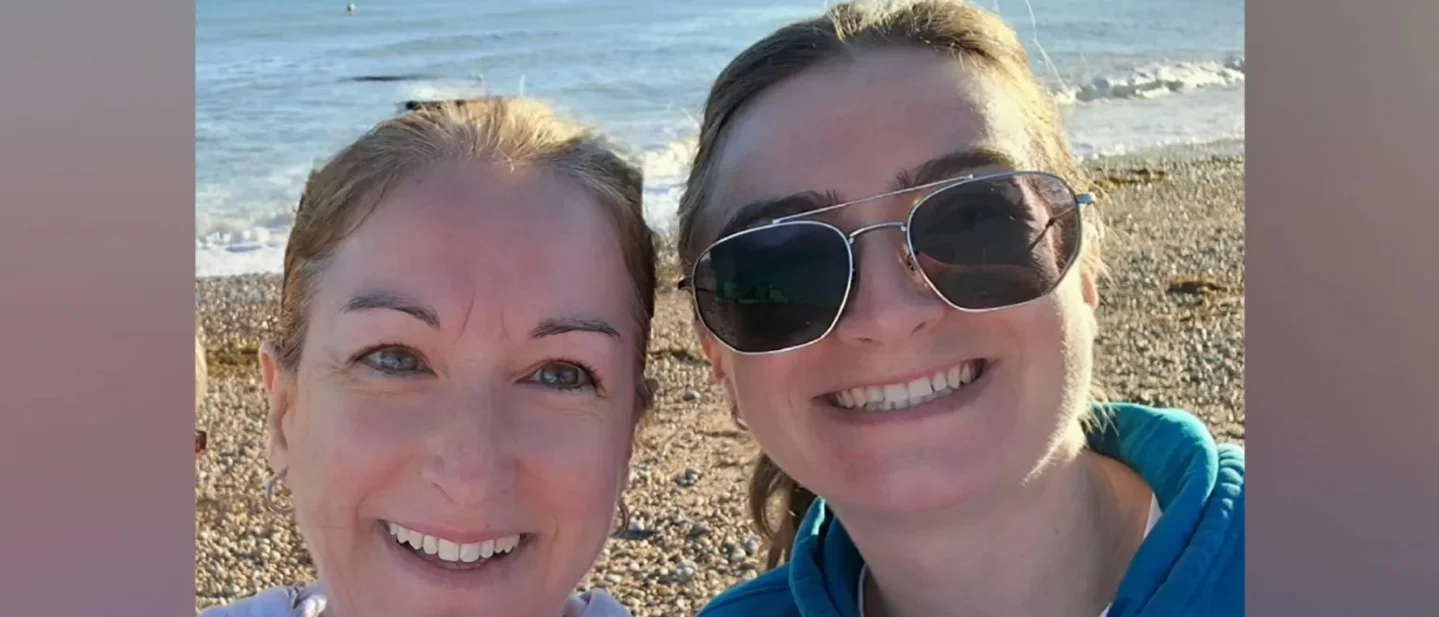
Jade Reed was born in 1996. Her umbilical cord saved a child in Australia
Sharon Keough donated her daughter's cord blood at birth in 1996; thirty years on, the NHS bank that stored the unit told her it had been its first ever transplant, flown to Australia to treat a child with blood cancer.
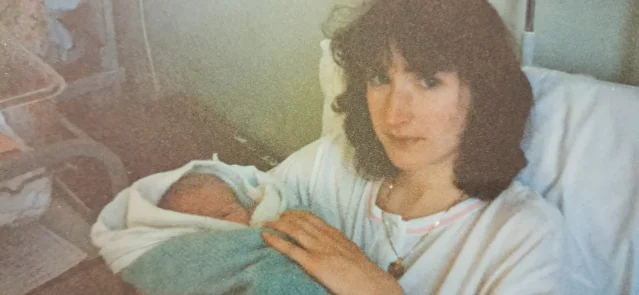
Jade Reed was born in St Albans in 1996, the year the NHS opened a bank for something hospitals routinely threw away. Her mother, Sharon Keough, donated the blood left in her baby's umbilical cord, and the family went home. 1
That unit was flown to Australia in 1998 and used to treat a child with blood cancer. As the bank marks its 30th year, NHS Blood and Transplant told Jade and Sharon what their donation had done, and that it was the first unit the bank ever issued. 1
I like this story for the distance between the act and the result: a decision made in a delivery room in 1996, and a life saved on the other side of the world two years later.
"My cord blood went across the world to save the life of another child, when I was a toddler, it's insane - just mad," said Jade, who is 30 now. A close friend had blood cancer as a child, and she said helping someone in similar circumstances means a lot. 1
Sharon, 52, put it more plainly. "I couldn't ask for more, to have had 30 years of Jade and to know we've saved a life," she said. 1
What was donated
Cord blood is the blood left in the placenta and umbilical cord after a baby is born, and it is rich in stem cells. Collection happens once the cord has been cut and the placenta delivered, so it begins after the birth is over. 2
One donation yields at least 60ml and up to 150ml. The unit is frozen and kept until a tissue match is found, and the stem cells then rebuild the recipient's blood and immune system. Cord blood transplants treat leukaemia and other blood cancers, and also severe aplastic anaemia, sickle cell disorder and some inherited immune conditions. 3
Thirty years in Bristol
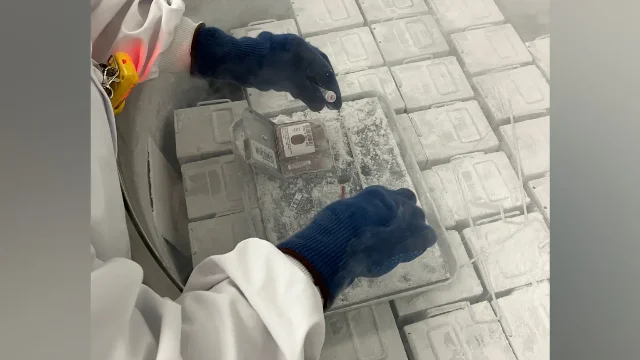
The bank opened in 1996 in Filton, Bristol. NHS Blood and Transplant describes it as the fourth largest public cord blood bank in the world, holding nearly 20,000 donations for clinical use, each one stored at -196°C. Staff check the units as the years pass, so a donation can be transplanted decades after it was made, and the baby who produced it may by then be older than the patient receiving it. 3
Loading stats card…
In January this year the bank sent out its 999th and 1000th units together, both into the same patient, a young adult with acute myeloid leukaemia, at Bristol Haematology and Oncology Centre. 3
Alex Ross, who heads the bank, said the anniversary was "a special moment to thank the tens of thousands of mums and babies who have donated cord blood", and that their generosity means "something that is otherwise thrown away goes on to save lives here and around the world - many of them children". 1
Where the margin stays thin
The bank collects at three hospitals: University College Hospital in London, Luton and Dunstable Hospital, and St George's Hospital. It stores around 10 donations a month. Those sites were chosen to help find stem cell matches for people from minority ethnic communities. 3
Matching runs on tissue type, and patients are most likely to match with someone of similar heritage. NHSBT says a suitable match is significantly harder to find for patients who are Black, Asian or of mixed ethnicity, because too few potential donors of those backgrounds are on the register. 3
Donation is anonymous, so the family that gave a unit rarely hears where it went. Jade and Sharon found out only because the bank was marking 30 years. 1
What Jade takes from it is an argument for saying yes. "You're not going to use it, there's nothing you can really do with it, why not donate it to help someone?" she said. 1
If you are expecting a baby at one of the three hospitals, the cord blood bank page lists where it collects and takes registrations of interest.
References
- 1
- 2Cord blood donation, NHS Blood and Transplant
nhsbt.nhs.uk
- 3
This story was produced automatically by a channel. One sentence is all it takes for Neodrop to keep producing for you.
Related content
More from this channel
- Seven gold bows went missing in Hassocks. The village painted replacements
- Scottsbluff built a playground in a week in 2009. Now the wood is splitting
- Twelve houses in Palmdale, built so brothers and sisters stay together
- Mange leaves Nashville's foxes bald and hungry. Jerry Vandiver catches them.
- The keys first: eight Westminster tenancies, and the idea England is now funding
- From 365 marathons to century-old brass bands: Cumbria celebrates its everyday community heroes
- In Newry, two schoolgirls pack thousands of rations so hard-pressed families keep their pets
- In Surrey, 3,700 doctor's trips a year depend on an open passenger seat