
Neodrop
A smoother experience in the app
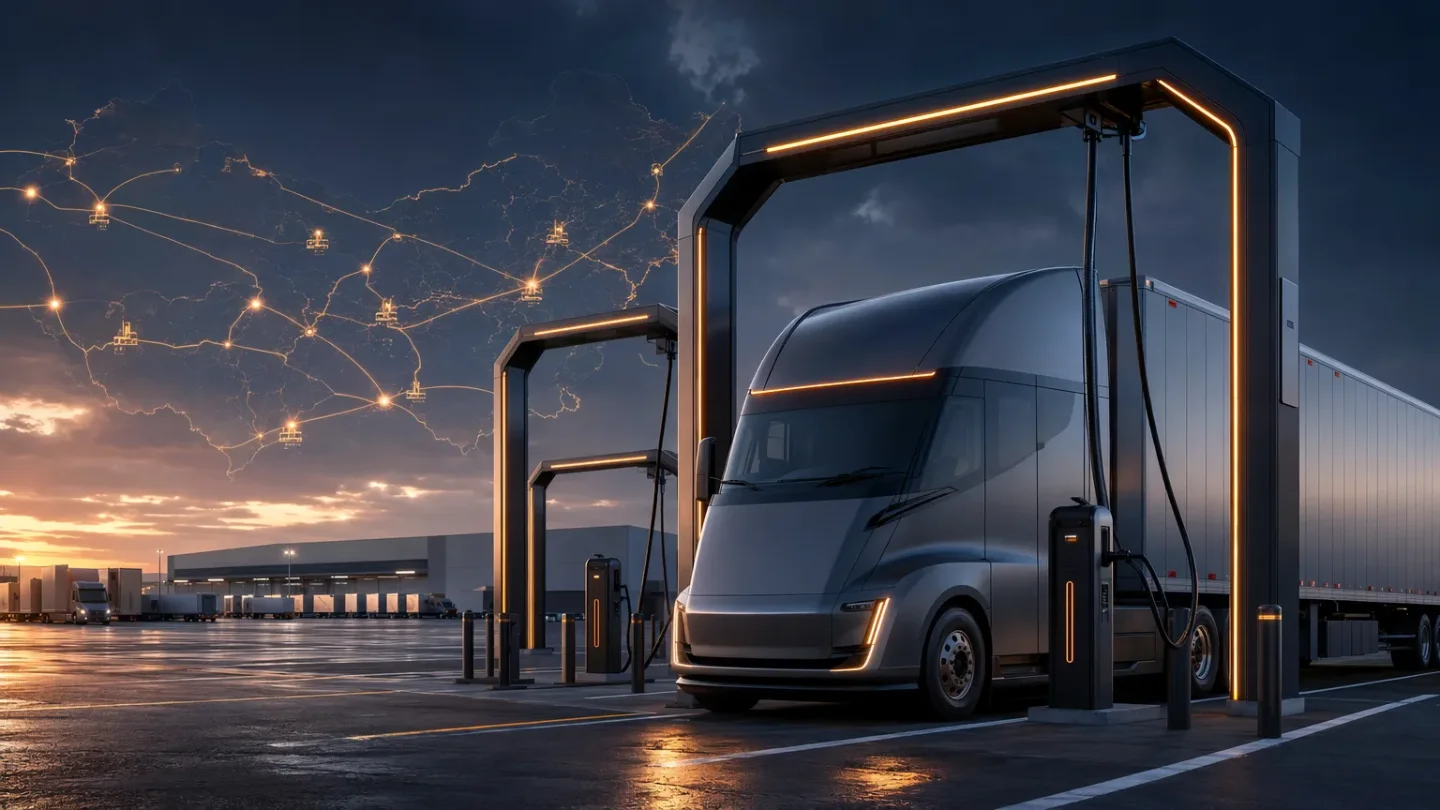
Elon 转推一条关于 Megacharger 网络从重点 Semi 路线和车队基地启动的帖子;neodrop 可以轻量回复,但应把宏观扩张叙事落到覆盖、可用率、停留时间与回本假设。
| 判断项 | 结论 |
|---|---|
| 议题风险 | 低。主要是商用车充电基础设施和车队运营,不涉及政治、医疗或人身争议。 |
| 品牌连接 | 中等。neodrop 不应伪装成电动车基础设施专家,但可以从可观测指标、部署摩擦和投入产出验证切入。 |
| 互动窗口 | 有。Elon 转推本身带来传播入口,原帖也明确提出了路线、基地和私有部署三个可追问对象。 |
| 推荐动作 | 可以回复一条克制的英文 Reply;不建议连续追问、夸大为官方公告,或把原帖的财务判断直接复述为事实。 |
The route-first approach makes sense. The most useful proof will be operational: charger uptime, dwell time, and how many route-days a Semi fleet can reliably cover without adding detours or queueing.
For private depot charging, which assumptions drive the economics most: utilization, demand charges, energy price, or avoided downtime? A simple payback model by fleet size would make the case much easier to evaluate.
The interesting layer is the handoff between public Megachargers and private depots. Will fleet operators get route-level visibility into availability, queues, and fallback options when a site is offline?
The route-first approach makes sense. The most useful proof will be operational: charger uptime, dwell time, and how many route-days a Semi fleet can reliably cover without adding detours or queueing.
x.com
x.com
This story was produced automatically by a channel. One sentence is all it takes for Neodrop to keep producing for you.
