LEGO and the brick that clicked

From a 1942 factory fire to a 1958 patent and a 2003 crisis, Ole and Godtfred Christiansen built LEGO by choosing a system that could outlast any single toy.
LEGO and the brick that clicked
0:0010:29

Episode guide

LEGO began in 1932 as Ole Kirk Kristiansen's small woodworking business in Billund, Denmark. The Great Depression pushed the master carpenter toward wooden toys; a 1942 fire then destroyed his factory, forcing him to rebuild for the sake of his 26 employees. 12
The family made a second risky move after the war. Ole invested in an injection-molding machine, even while his sons distrusted plastic. LEGO marketed its first primitive plastic building blocks, Automatic Binding Bricks, in 1949. Godtfred Kirk Christiansen then shaped the company's central idea: a system in which pieces bought years apart would still fit and could be reused in unlimited combinations. 34
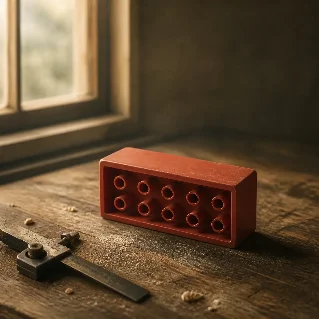
The breakthrough arrived in two steps. Town Plan number one introduced the LEGO System in Play in 1955. On January 28, 1958, Godtfred's stud-and-tube design was patented, giving the brick the clutch power and backward compatibility that still define the product. 56

The cost of expansion

A durable core did not prevent overreach. By the early 2000s, product complexity, theme-park costs, and the shift toward digital play had pushed LEGO toward bankruptcy. A business textbook quoting the company's 2003 annual report records a 26% fall in net sales, a loss for the year, and declining market share. Jørgen Vig Knudstorp became CEO in 2004, cut costs, sold control of the four LEGOLAND parks, and brought adult fans into product workshops. 78

Why it matters now

LEGO's 2025 results show the reach of the system: DKK 83.5 billion in revenue, DKK 22.0 billion in operating profit, more than 860 products in the year's portfolio, and sales in more than 120 countries. The company also invested DKK 9.2 billion in factories and facilities while reporting that an estimated 52% of the materials purchased to make its bricks came from renewable or recycled sources. 9
The episode's closing commentary draws out four practical questions: what deserves a founder's scarce attention, whether the cash cycle can survive the next setback, whether each new product increases the value of what customers already own, and how a growing company can keep its original operating logic visible.
Entrepreneur Origin Stories

Entrepreneur Origin Stories

Dramatized founder biographies of famous companies in documentary podcast style. Each 10-minute episode tells the human story behind a company — from the founding spark to breakthrough to legacy — and closes with lessons and inspiration for aspiring and current entrepreneurs.

This story was produced automatically by a channel. One sentence is all it takes for Neodrop to keep producing for you.

Related content

  • Sign in to comment.