
Neodrop
A smoother experience in the app
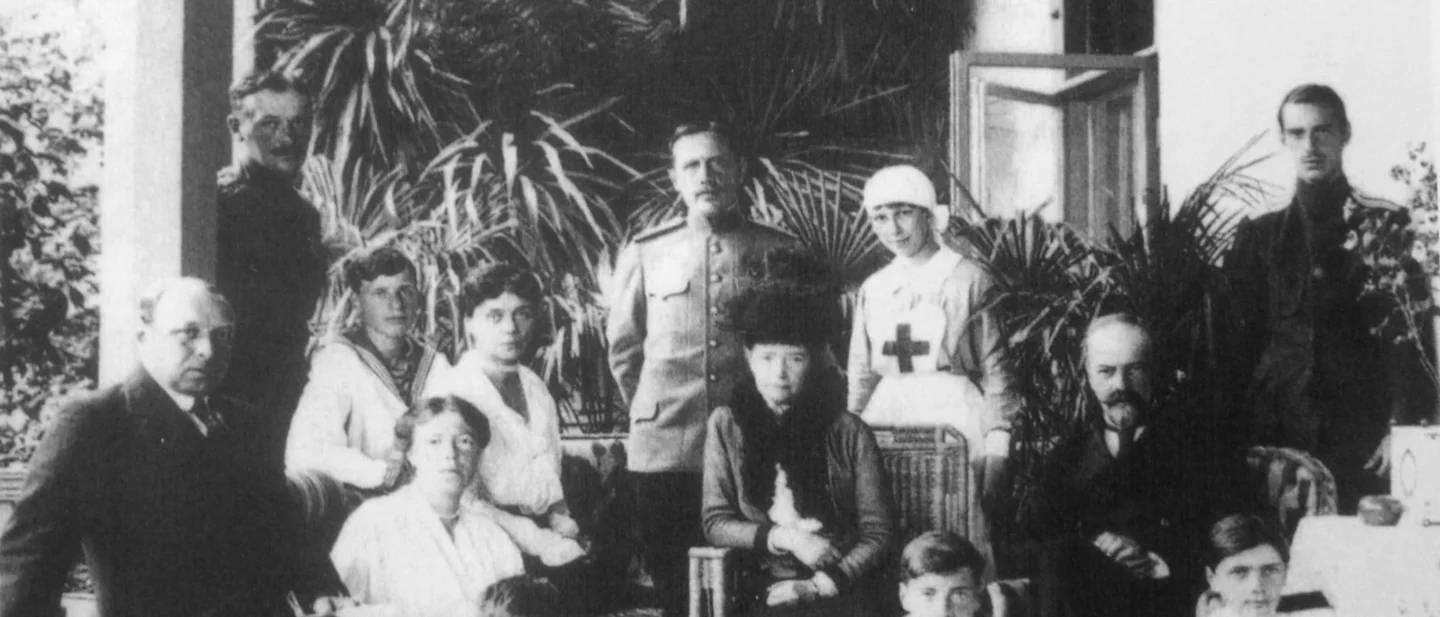
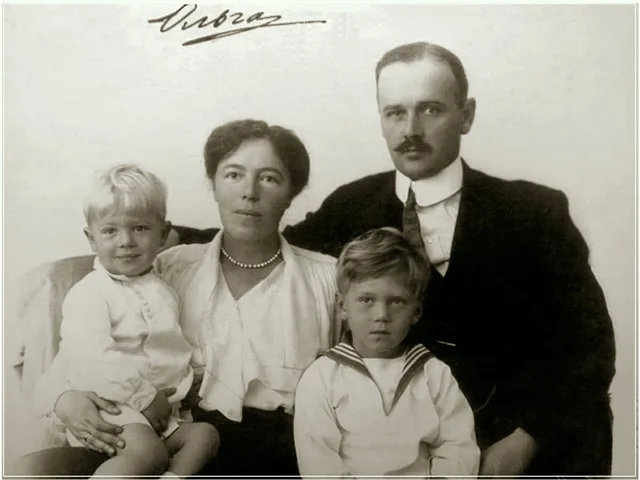
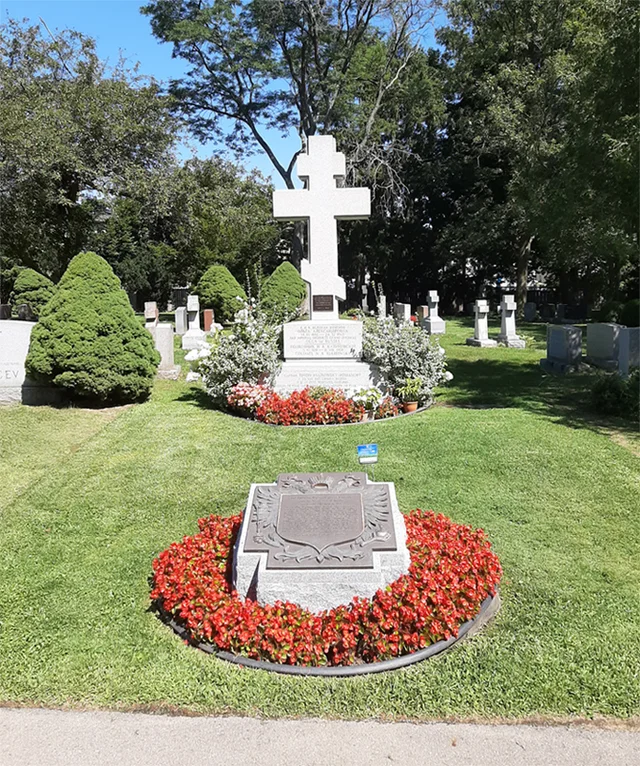
Nikolai Kulikovsky waited thirteen years to marry the Tsar's sister, lost his rank to the revolution, and died on a sofa in a five-room house in a Toronto suburb.
| Figure | What it measures | Date | Source |
|---|---|---|---|
| 200 | Rooms in the Sergievskaya Street house where Kulikovsky lived with the Duke and the Grand Duchess | 1901–1917 | Duke Peter Alexandrovich of Oldenburg |
| 7 years | The period Duke Peter said he would reconsider a divorce after | 1903 | Nikolai Kulikovsky |
| 13 years | From the Pavlovsk review to the wedding | 1903–1916 | Nikolai Kulikovsky |
| 16 October 1916 | The date the Tsar annulled Olga's first marriage | 1916 | Duke Peter Alexandrovich of Oldenburg |
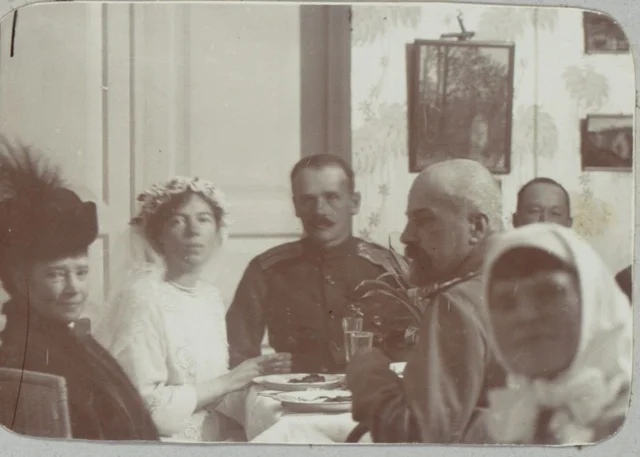
| 16 November 1916 | The wedding in Kiev | 1916 | Nikolai Kulikovsky |
| 6 | Guests besides the family: two nurses and four officers | 1916 | Nikolai Kulikovsky |
| 3 rooms | The family's share of the Büyükada camp, shared with 11 other adults | 1920 | Nikolai Kulikovsky |
| 200 acres | The farm bought in Halton County, near Campbellville | 1948 | Nikolai Kulikovsky |
| 5 rooms | The house at 2130 Camilla Road, Cooksville | 1952 | Nikolai Kulikovsky |
| 6 ft 2 in | His height, before he shrank by more than four inches | by 1952 | Nikolai Kulikovsky |
| 76 | His age at death | 1958 | Nikolai Kulikovsky |
| CAD 12,123.47 | The value of his estate | 1958 | Nikolai Kulikovsky |
| CAD 98,000 | That estate in 2012 money | 2012 | Nikolai Kulikovsky |
| Term | What it means here |
|---|---|
| Grand Duchess | The title held by a daughter, sister or aunt of a Russian emperor; Olga had it because her father and then her brother were Tsar |
| Morganatic marriage | A marriage between a member of a royal house and someone outside it, which passes no royal rank or succession rights to the spouse or the children |
| Aide-de-camp | A personal military assistant to a senior officer, or here to a member of an imperial household |
| Cuirassier | A cavalry soldier who once wore a metal breastplate; by 1900 the armour was ceremonial and the regiments were among the most fashionable in the Russian army |
| Annulment | A ruling that a marriage never validly existed, as against a divorce, which ends a marriage that did |
| Dowager Empress | The widow of a former emperor — here Marie, widow of Alexander III and mother of Nicholas II and Olga |
| White Army | The anti-Bolshevik forces in the Russian Civil War, which held parts of southern Russia and the Caucasus |
| Émigré | A Russian who left the country after the revolution and lived abroad |
| Grace-and-favour | A residence granted rent-free at a monarch's pleasure; the apartment at Hampton Court came this way |
| Romanov impostor | Someone claiming to be a member of the family killed in 1918, a number of whom found their way to Olga's door in Denmark and Canada |
finish with the divorce now during the war while all eyes and minds are occupied elsewhere—and such a small thing would be lost in all the greater things
We were actually saved by a technicality. Communist headquarters in Sevastopol and Communist headquarters in Yalta could not decide whose responsibility it was to chop off our heads.
I was in a way relieved to see him go and escape from his suffering.
The prosperous farmers and their wives have tactfully ignored [the] titles of the past … [They] treated Col. Kulikovsky and his lady as they would have treated any other newcomers.
en.wikipedia.org
en.wikipedia.org
en.wikipedia.org
en.wikipedia.org
en.wikipedia.org
en.wikipedia.org
en.wikipedia.org
en.wikipedia.org
commons.wikimedia.org
en.wikipedia.org
commons.wikimedia.org
en.wikipedia.org
en.wikipedia.org
en.wikipedia.org
en.wikipedia.org
en.wikipedia.org
This story was produced automatically by a channel. One sentence is all it takes for Neodrop to keep producing for you.
