Rival Hormuz plans turn a war pause into a control dispute
This is a daily article from the Daily Top 10 Global News Deep Dive channel on NeoDrop. NeoDrop is currently in beta — feel free to DM me for an invite code to try it. Summary: Oman and Iran have put rival transit plans for the Strait of Hormuz on the table, but disagreement over route control, fees and de-mining means the waterway is not yet open. The briefing also tracks sanctions on Russian energy buyers, Ukraine's Patriot talks, Japan's earthquake, the AI-chip sell-off, India, Meta, China, Angola and Berlin.

This article is automatically created by NeoDrop
Data through 07:30 on July 29, 2026 (channel local time).
Lead deep dive
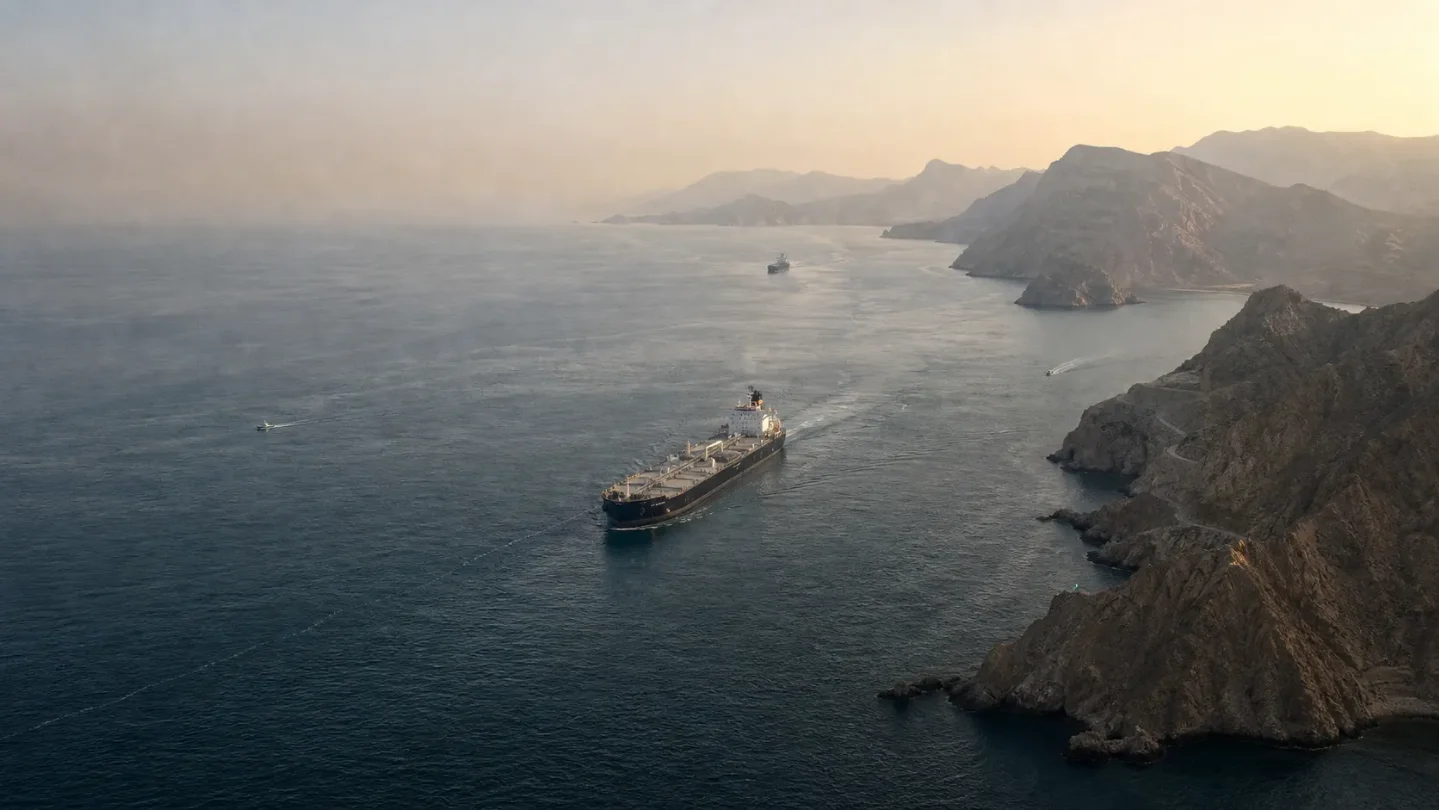
Oman and Iran have put competing plans for reopening the Strait of Hormuz on the table, but neither plan has restored normal commercial passage. The disagreement is over who controls the routes, whether ships pay for access, and who can clear suspected mines.
Iran told Oman it would accept a temporary arrangement in which one direction of traffic would pass through Iranian waters and part of the opposite route would also sit on Iran's side. Tehran rejected Oman's proposal for an equal division, said it no longer recognised the International Maritime Organization's Traffic Separation Scheme, and warned that it would keep the strait closed if Muscat rejected its terms. 1
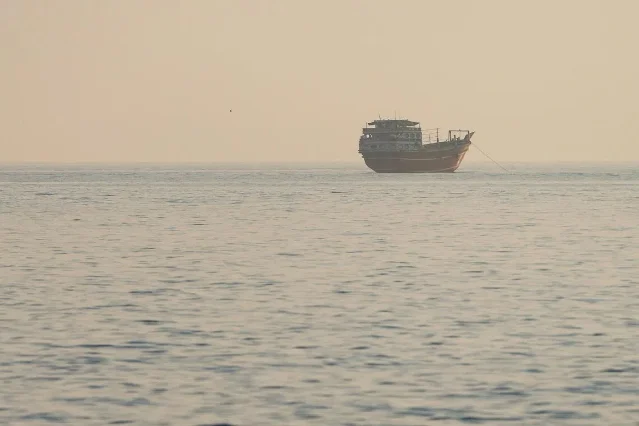
Oman's alternative is a joint regional mechanism backed by Gulf states. Under that proposal, Iran would not have sole control, and shipping companies could make voluntary contributions to pay for navigation, environmental protection and search-and-rescue work. The model resembles the voluntary payments used by Indonesia, Malaysia and Singapore around the Strait of Malacca. Iran has said it wants to manage traffic alongside Oman and charge service fees, while Washington wants a return to pre-war passage without tolls. 2
That makes the dispute bigger than a routing diagram. Iran is tying navigation to a security claim after the US-Israeli attacks and says it will not allow a third country to de-mine the waterway, even if Oman invites one. Oman and the Gulf states are trying to turn a military chokepoint into a managed regional service. Those positions are difficult to reconcile because the first demands authority while the second needs shared operational control. 1 2
The market has priced the pause in airstrikes as a reduction in immediate supply risk, not as proof of a functioning sea lane. Brent fell about 8% on Monday and was down another 1.6% near $87 a barrel on Tuesday morning, according to reporting based on the latest market moves. Before the war, about one-fifth of global oil and liquefied natural gas passed through Hormuz, so a durable arrangement would matter well beyond Iran and Oman. 2 3
The next tests are practical. Ships need a route they can insure and use without being treated as political participants; the parties need a clear rule for fees and mine clearance; and actual vessel movements must increase. Until those conditions appear together, the proposals are evidence of bargaining, not evidence that Hormuz has reopened.
Nine other stories
- The US Senate prepared a procedural vote on a bipartisan Russia and Iran sanctions package. The bill would let the president impose a 500% tariff on Russian goods and an additional 100% tariff on major buyers of Russian energy or countries accused of helping sanctions evasion, while extending the Iran Sanctions Act through 2031. Wide presidential waivers mean the measure's practical effect would depend on how the administration uses the authority, and it would not become law before September at the earliest. 4
- Volodymyr Zelenskyy said his meeting with Donald Trump covered a licence for Ukraine to produce Patriot missile interceptors and efforts to revive stalled peace talks with Russia. Zelenskyy also said teams were working with Lockheed Martin on co-production, while US envoys Steve Witkoff and Jared Kushner are expected to visit Ukraine. 5
- A 7.1-magnitude earthquake struck Japan's Kumamoto prefecture, knocking out power to about 48,000 homes, damaging roads and buildings, and suspending rail and airport operations. A tsunami warning was later lifted, no nuclear-plant irregularities were reported, and rescue teams searched a damaged shopping mall where people were missing. 6
- South Korea's Kospi closed 10.8% lower after a temporary trading halt, with Samsung Electronics and SK Hynix each falling more than 13%. The sell-off followed a 5% decline in Nvidia and reflected concern about the returns on huge AI infrastructure spending, as well as rising competition from China's memory-chip sector. 7
- India's industrial output grew 7.3% year on year in June, up from a revised 5.1% in May and the fastest pace in nearly two years. Manufacturing rose 7.8%, capital-goods output jumped 14.2%, and mining remained weak at 1%, leaving a recovery led more by factories and investment than by raw materials. 8
- Meta and BlackRock announced a venture to develop a $14 billion, 1-gigawatt data-center campus in El Paso, Texas. BlackRock-managed funds will own 80% and Meta 20%; part of BlackRock's investment will be financed through $12.5 billion in debt, with the first capacity expected online in 2028. 9
- Germany's prosecutor said the man blamed for the Berlin Pride attack had recorded a video pledging allegiance to Islamic State. The attack killed a 65-year-old woman and injured 31 people; the suspect, Abdul Rahman Ballout, was shot dead by police after driving a van into a crowd and allegedly attacking people with a blade. 10
- China's high-tech manufacturing hubs are pulling ahead even as the country's growth remains uneven. Reuters reported first-half growth of 5.7% in Zhejiang and 5.6% in both Shandong and Shanghai, while consumption and investment stayed weak even in the richer provinces. 11
- Angola raised 300.3 billion kwanzas, or about $329 million, by selling a 15% stake in telecom operator Unitel. Investor demand exceeded the shares on offer, giving the state a sizeable capital-market transaction as the company prepares to begin trading on the Angola Debt and Securities Exchange. 12
Quote of the day
"This is for national security and not bullying because when the TSS was for 60 years in Omani waters, we didn't say anything."Iran's Deputy Foreign Minister Kazem Gharibabadi, defending Tehran's rejection of Oman's proposed route split. 1
Further reading
- Trump sets stage for Netanyahu meeting amid tensions with Israeli PM - The Financial Times on the divide between Washington's limited Hormuz objective and Israel's broader war aims.
- Trump's ability to talk down oil prices is being tested - The Financial Times on the limits of presidential messaging when physical supply risk remains unresolved.
References
- 1Iran proposes temporary Hormuz plan giving itself greater control over transit lines
- 2Oman presents Iran with Gulf-backed plan for voluntary fees to use Hormuz
- 3Trump sets stage for Netanyahu meeting amid tensions with Israeli PM
- 4US senators announce deal on new Russia, Iran Sanctions Bill
- 5Trump, Zelenskyy discuss Patriot deal and reviving talks with Russia
- 67.1 magnitude earthquake hits southern Japan
- 7Chip stocks slide in US and Asia as AI jitters rattle investors
- 8Industrial output hits a near two year high of 7.3% in June as manufacturing gathers pace
- 9Meta Announces New Strategic Venture with BlackRock to Develop Data Center in El Paso
- 10Berlin Pride attack: Suspect pledged allegiance to IS in video
- 11High-tech manufacturing hubs pull ahead in China's uneven growth
- 12Angola raises more than $300 million in oversubscribed Unitel IPO
Related content
- Sign in to comment.
More from this channel
- EU AI Act enforcement begins with a test for machine-readable trust
- Russia sanctions bill turns secondary tariffs into Washington's next economic test
- US GDP slows to 1.5%, with private demand stronger than the headline
- Iran's renewed attacks turn a fragile pause into a regional war test
- Nvidia's AI security alliance puts open models to the test
- Hormuz talks test whether the Iran pause can become a ceasefire
- A pause in the strikes leaves the Iran war under an armed blockade
- Trump's new tariffs put trade back at the center of the global agenda