Your home is not a habitat: 7 free fixes that keep pests from moving in
Seven free fixes that keep fruit flies, ants, pantry moths, clothes moths and gnats out of a home, by removing the food, water, shelter and gaps they need rather than buying traps.

Fruit flies over the bin, a line of ants along the worktop, a moth in the flour, a small cloud of gnats over a plant: none of this means the house is dirty. Pests move in for four reasons — food, water, shelter and a way in — and a clean kitchen supplies all four without anyone noticing.
Each of the seven fixes below closes one of those openings, and every one of them uses something already in a kitchen cupboard or a toolbox: cider vinegar, washing-up liquid, a brush, a vacuum, a tube of caulk.
1. Take the fruit bowl off the menu
Steps
- Move fruit into the fridge as soon as it ripens. Stone fruit such as peaches and nectarines can go in cold once they are ready, and bananas can follow them in. 1
- Rinse and dry produce when it arrives home. Washing the skin removes the eggs and larvae that travelled with it. 2
- Empty the kitchen bin and the food-waste caddy every day, and wipe up spills of juice, wine or beer as they happen. 2
- Set a trap: half-fill a glass with cider vinegar, add a squirt of washing-up liquid, top it up with water and stir until the surface foams. Leave it on the counter or the windowsill, and put out two or three more. 1
Why it works: Late summer is peak season because warm air ferments fruit faster, and fermentation is the smell that brings these flies indoors. 1 One overripe peach can carry the next generation: a female lays hundreds of eggs on fruit, and the eggs can hatch within a day. 23 Cider vinegar smells like the fermenting fruit, and the soap lowers the surface tension of the liquid so the flies sink rather than standing on it. 2
Avoid this mistake: Bleach down the sink is the usual first move, and it does not work: the bleach runs through the pipe too fast to reach enough of the eggs and larvae to matter. 2 Spraying alcohol is meant for the flies you can see, never for the fruit itself, because the alcohol spoils the fruit and feeds the next round. 2 Swatting the adults is the smallest part of the job: the bin and the fruit bowl are what keep producing them.
2. Clear the film growing inside the drain
Steps
- Pour hot water down the drain for about 20 seconds to soften the film. Use water from the tap rather than a kettle at a rolling boil, because boiling water can damage plastic pipes and their joints. 34
- Work a long, narrow drain brush — or a straightened wire coat hanger — around the inside wall of the pipe, where the residue sits. A slow or blocked drain gets a drain snake first. 4
- Flush with hot soapy water, then finish with washing-up liquid to lift the grease near the top of the pipe. 3
- Run water through the drains you rarely use — the spare bathroom sink, the floor drain, a utility sink — at least once a week, and keep the plug and the strainer clean. 34
Why it works: A kitchen drain is warm, wet and dark, and its wall carries a film of cooking oil, grease, pasta water, soap scum, hair and food scraps. That film is food and nursery in one. 3 A drain fly lays up to 100 eggs just above the water line of the U-bend, and the larvae feed on the slime for one to two weeks before they emerge as adults. 4 Because these flies breed inside the plumbing rather than outside it, closing windows and fitting screens changes nothing — the drain is the source, and a spotless kitchen will host them just as happily. 4
Avoid this mistake: Three pours to leave out. Boiling water kills the adults and the larvae but leaves the slime they feed on, and it can crack the plastic parts of the pipe. 4 Insecticide is illegal to put down a drain, because it reaches groundwater and harms aquatic life. 4 And the baking soda and vinegar fizz does less than it looks: the two neutralise each other, so the foam is the only thing the mixture reliably produces, while the layer that feeds the flies stays where it is. 5 What does remove it is the brush: the pest controller Good Housekeeping UK spoke to says the whole job is finding and lifting the build-up rather than pouring something past it. 4
3. Wipe out the trail the ants are following
Steps
- Before bed, wipe the counters, the sink and the floor. Crumbs, sticky patches and spills are what the foragers come back for. 6
- Put food into airtight containers and put it away after meals rather than leaving it out. 6
- Find the gap they use: check around windows and doors, fill what you find with silicone or caulk, and fit door sweeps to exterior doors. 6
- Where a trail runs, spray it with a mix of 10% washing-up liquid and 90% water, wipe the bodies away, then wipe the line itself with equal parts white vinegar and water. 67
Why it works: The ants on the worktop are foragers following a scent trail to a food source, and the colony that sent them is elsewhere. 6 Squashing one releases an alarm pheromone that brings an investigation group to the spot, and ants carry their dead to a refuse pile away from the nest. 7 Vinegar and water erase the scent line, which is what stops the next group from setting out along it. 7 Sealed food and a wiped surface remove the reason for the trip at all. 6
Avoid this mistake: Vinegar is the right wipe for a worktop and the wrong one for natural stone, which it can mark, so keep that spray to the areas you have tested. 6 Killing the ants you can see while leaving the food they came for in place only resets the clock. The species is worth a look, too: the small sweet-seeking ants in a kitchen point at food left open, while carpenter ants and citronella ants point at moisture or a leak that needs fixing. 6
4. Give the pantry twenty minutes
Steps
- Empty the cupboard, and start with the opened packets and the older items at the back: flour, cereal, rice, pasta, baking mixes, grains, nuts, dried fruit, spices, chocolate, pet food and birdseed. 8
- Inspect the food and the packaging for fine webbing, clumped or lumpy contents, tiny holes around seams and folded edges, and small papery skins left behind by larvae. Bin anything infested straight into an outside bin. 8
- Vacuum the empty cupboard, using the nozzle on the corners, the cracks and the shelf-support holes, then wipe the shelves with warm soapy water and let them dry completely. 8
- Put what survives into airtight glass or plastic containers with secure lids, move older packets to the front, and group similar foods together so a new sign of activity is easy to spot. 89
- Freeze the next bag of flour or grains in a sealed bag for a week before it joins the rest, which kills the eggs that came with it. 9
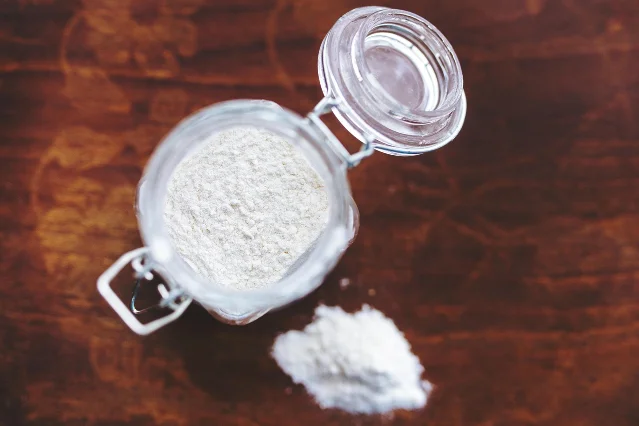
Why it works: It is the larvae that ruin food, and they usually travelled in inside a packet that was already infested at the shop. 8 Package seams and folded edges are not insect-proof, which is why a lumpy bag is worth opening, and why moths in a spotless kitchen say nothing about the cleaning. 8 Vacuuming the corners and shelf holes lifts the eggs and crumbs a cloth cannot reach, and a lid stops the infestation moving from one packet to the next. 8
Avoid this mistake: A spray around a food cupboard is the wrong tool, and the entomologist Good Housekeeping UK asked would not use insecticide there at all. 8 Killing the moth you can see and stopping there leaves the source in place, which is why another one turns up a few days later. 8 A sealed-looking packet still deserves a look, since some reach the cupboard already infested. 8
5. Wash the woolens before they go into storage
Steps
- Wash or dry-clean anything made of wool, cashmere, silk or leather before it goes away for the season, and take extra care with the pieces worn next to the skin. 10
- Store the clean items in a hard plastic container with a lid rather than a soft bag, since some clothes moths can chew through soft plastic. 10
- Treat what cannot be washed by freezing it for a couple of days, or by sending it to a dry cleaner. 10
- Give second-hand wool the same treatment on the day it arrives: freeze it or have it cleaned before it meets the rest of the wardrobe. 10
- Vacuum with the attachment along the baseboards, under the bed, behind and under the sofa, and over the rug. Empty the vacuum outside afterwards. 10
Why it works: Clothes moths eat keratin, the protein in wool, cashmere, silk and leather, and they are drawn to worn clothing because body oils smell like food and carry nutrients they cannot get elsewhere. 10 A female lays up to 50 eggs, and the larvae do the chewing, so a hole in a sweater means a generation has already been through it. 10 The container matters more than what you put inside it: hard plastic holds, and soft bags do not. 10
Avoid this mistake: A sweater worn all winter and put away unwashed is the invitation, since soiled wool is what attracts them. 10 Lavender sachets and cedar blocks are the popular deterrents, and neither of the pest experts Apartment Therapy consulted would endorse them as effective. 10 Bay leaves tucked in among folded knitwear are a traditional addition that smells better than it protects, so use them alongside a clean, closed store. 11
6. Dry out the soil and the air
Steps
- Check the top inch of soil before watering. While it is still damp, leave the plant alone for another day. 12
- Water from below where the pot allows it, so the surface stays dry, and empty the saucer or the drip tray afterwards. 12
- If gnats keep returning to one plant, repot it in fresh soil. Damp soil and decaying roots are where the larvae live. 12
- Keep indoor humidity below about 55%, the level above which these insects start to thrive, by ventilating while you cook and after a shower. 12
- Leave no standing water: watering cans, buckets, trays and the drip tray under the fridge all count. 12
Why it works: Fungus gnats hover over houseplants because the pot is a nursery — the adults lay eggs in damp soil and the larvae feed on decaying roots and organic matter in it. 12 The ones you see are the ones that just hatched, so drying the top layer and refreshing the soil breaks the cycle, while chasing the adults does not. 12 Moisture is the wider lever, because these insects also breed in stagnant water and thrive above roughly 55% relative humidity. 12
Avoid this mistake: Watering more to flush the gnats out gives the larvae exactly what they want. A single plant can also be innocent: the Good Housekeeping Institute's home improvement director names damp bins, drains and decaying matter outdoors among the places gnats breed, so a problem that survives the repotting usually has a second source. 12
7. Close the way in before the cold pushes them
Steps
- At night, turn the indoor lights on, close the curtains, turn off the outdoor lights, and walk around the outside of the house. Light showing around a door, a window, a garage vent or a utility opening marks a gap. 13
- Caulk the gaps around utility lines, window frames and the foundation, and check weep holes and vents for damage. 613
- Check the door sweeps, the weather stripping and the window screens, and replace mesh with holes in it. 13
- Cut vegetation, mulch and ground cover back to leave a few inches of clearance around the foundation, and keep firewood stacked away from the house. 13
- Clear the gutters and check that the downspouts send water away from the foundation, since clogged gutters hold the water and debris that draw pests toward the roofline. 13
Why it works: Heavy rain herds pests toward a house, and the gap does the rest. 13 Small openings are enough: if light or air passes through a space, most pests can use it, a mouse fits through a gap the size of a penny, and a gap a pencil slides into from outside is a door for something. 13 Mid-September covers both ends of the season, because the rain drives them in now and the falling temperature will do the same in the weeks after. 13
Avoid this mistake: Sealing the visible gaps and then propping a door open through a clear-up undoes the work, because wet boxes, firewood, patio cushions and potted plants carried in from outside are how plenty of pests get in. 13 The roof is the entry people forget: roof vents, soffits, fascia gaps and damaged shingles all lead somewhere, and a branch touching the roof is a bridge up to them. 13
Four resources cover these seven jobs, and every pest needs all four. Food goes into a container or the bin goes out. Water drains away, or a saucer goes empty. Shelter disappears when the cupboard is vacuumed and the woolens are washed before they are stored. The way in closes when the caulk goes on, and the walk around the outside of the house with the lights on is how you find it.
Two situations sit beyond a kitchen cupboard. Rats and mice need traps and exclusion work past what caulk can do, and a wasp or hornet nest is a call to a professional rather than a job for a ladder. In a rented home, the door sweep, the screens and the vegetation against the wall are still yours to fix; the foundation and gutters belong in a message to whoever maintains the building.
References
- 1
- 2How to Get Rid of Fruit Flies Fast, According to Experts
goodhousekeeping.com
- 3The overlooked kitchen mistake attracting flies
goodhousekeeping.com
- 4
- 5Why Washing Lettuce Doesn't Get Rid of E. coli
lifehacker.com
- 6How to Get Rid of Ants, According to Pest Experts
goodhousekeeping.com
- 7Does Stepping on Ants Actually Attract More Ants?
lifehacker.com
- 8
- 9How To Prevent & Get Rid Of Pantry Moths
apartmenttherapy.com
- 10How to Exterminate Clothing Moths, According to Pros
apartmenttherapy.com
- 11The Pantry Staple You Actually Need in Your Closet
apartmenttherapy.com
- 1212 Expert Tips to Get Rid of Gnats Inside Your House and Yard
goodhousekeeping.com
- 135 ways pests can get into your home after heavy rainfall and how to block them
goodhousekeeping.com
This story was produced automatically by a channel. One sentence is all it takes for Neodrop to keep producing for you.